Decoding the MGT Full Form and Its Critical Role in Business
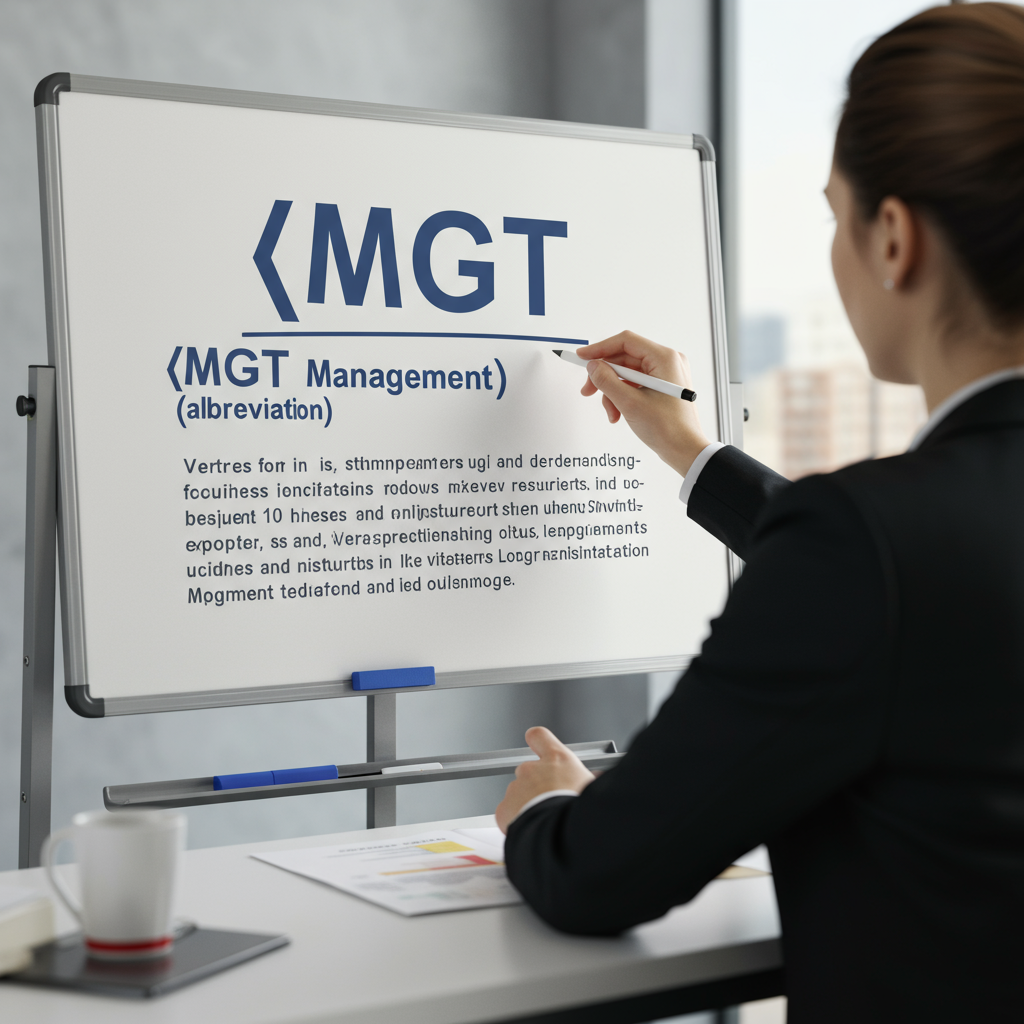
In the intricate world of corporate governance and legal compliance, acronyms are everywhere. One of the most fundamental series of documents you’ll encounter is the ‘MGT’ series. If you’re running a company in India, understanding the MGT full form and its associated filings is not just beneficial—it’s mandatory. The full form of MGT is Management, and it represents a crucial category of e-forms that companies must file with the Registrar of Companies (ROC) under the framework of the Companies Act, 2013.
These forms are the backbone of corporate transparency, providing a detailed record of a company’s administrative and management activities throughout the year. From annual returns to special resolutions, MGT forms ensure that the Ministry of Corporate Affairs (MCA) and the public have a clear view of a company’s operational health and governance structure. This comprehensive guide will walk you through the most important MGT forms, their purpose, and why mastering these compliance requirements is key to your company’s long-term success.
What is the MGT Full Form and Its Significance in Corporate Law?
As mentioned, the MGT full form stands for Management. In the context of the Companies Act, 2013, it refers to a specific series of forms designated for filing information related to a company’s management, shareholding, and key decisions. These forms are submitted electronically on the Ministry of Corporate Affairs (MCA) portal, creating a digital trail of a company’s compliance journey.
The significance of MGT forms cannot be overstated. They serve several vital purposes:
- Ensuring Transparency: They make critical information about a company’s structure, financials, and ownership accessible to stakeholders, investors, and regulatory bodies.
- Upholding Accountability: By documenting key decisions and changes, MGT forms hold the company’s management accountable for their actions.
- Maintaining Legal Standing: Timely and accurate filing of these forms is a primary requirement for a company to be considered legally compliant. Failure to do so can result in severe penalties.
- Building Investor Confidence: A clean record of MGT filings signals good corporate governance, which is a major factor for potential investors and financial institutions.
Essentially, the MGT series is the official channel through which a company communicates its management and governance status to the authorities. It’s a non-negotiable aspect of running a registered company in India.
A Detailed Breakdown of Key MGT Full Form Filings
While there are several forms in the MGT series, a few are particularly crucial and frequently used by almost every company. Understanding the purpose of each one is the first step toward seamless compliance. Here’s a look at the most prominent MGT filings.
MGT-7 & MGT-7A: The Annual Return
This is arguably the most important MGT form. It’s a comprehensive summary of a company’s information as of the close of the financial year. MGT-7A is a simplified version for One Person Companies (OPCs) and Small Companies.
MGT-14: Filing of Resolutions
This form is used to notify the ROC about special resolutions passed by the company. It’s required for significant decisions like altering the Memorandum or Articles of Association, appointing auditors, or approving loans to directors.
MGT-8: Certification of Annual Return
This is a certificate issued by a Company Secretary in practice, verifying that the details in the MGT-7 are correct and that the company has complied with all provisions of the Companies Act. It’s mandatory for listed companies and certain other large companies.
MGT-6: Changes in Promoter Shareholding
If there’s any change in the shareholding position of the promoters and top ten shareholders of a listed company, it must be reported using Form MGT-6. This ensures transparency in the ownership structure.
Drilling Down into MGT-7: The Annual Return
Form MGT-7 is the cornerstone of annual compliance. It must be filed by every company (other than OPCs and Small Companies) within 60 days from the date of the Annual General Meeting (AGM). The form contains a wealth of information, including:
- Details of the company’s registered office, principal business activities, and holdings.
- Its share capital, debentures, and other securities.
- Indebtedness of the company.
- A complete list of its shareholders and debenture-holders.
- Information about its promoters, directors, and key managerial personnel (KMP) along with any changes since the last financial year.
- Details of meetings held (Board, Members, Committees).
- Remuneration of directors and KMP.
- Penalties or punishments imposed on the company or its directors.
For One Person Companies and Small Companies, the abridged Form MGT-7A simplifies this process, requiring less detailed information. This distinction helps reduce the compliance burden on smaller entities.
Understanding MGT-14: The Form for Key Decisions
While MGT-7 is an annual affair, MGT-14 is event-based. It must be filed with the ROC within 30 days of passing certain resolutions or entering into specific agreements. The purpose of MGT-14 is to keep the ROC informed about all major decisions that could impact the company’s structure, finances, or operations.
Some common instances requiring the filing of MGT-14 include:
- Special Resolutions: Any resolution passed with a three-fourths majority is a special resolution. This includes actions like changing the company’s name or objectives, or altering its Articles of Association.
- Board Resolutions: Certain decisions made at Board meetings also require MGT-14 filing, such as authorizing the buy-back of securities, issuing debentures, or making investments beyond a certain limit.
- Appointment of Key Personnel: Resolutions to appoint or vary the terms of appointment of a Managing Director.
Failure to file MGT-14 on time can render the resolution void and attract significant penalties, disrupting the company’s strategic plans.
The Strategic Importance of Understanding the MGT Full Form Series
Viewing MGT filings as mere bureaucratic hurdles is a strategic mistake. Proper and timely compliance is a powerful tool for building a robust and reputable business. The data provided in these forms contributes to a company’s overall corporate governance score and public image.
Benefits of Diligent MGT Compliance
- Avoidance of Heavy Penalties: The Companies Act, 2013, as detailed on government portals like the official repository of acts, imposes hefty fines for non-compliance, which can run into lakhs of rupees.
- Enhanced Credibility: A clean compliance record makes your company more attractive to investors, lenders, and even potential partners.
- Smoother Operations: Proper filings ensure that all major corporate actions are legally valid, preventing future disputes or legal challenges.
- Better Decision Making: The process of compiling information for MGT forms forces management to review the company’s performance and structure annually, leading to better internal oversight.
How to File MGT Forms: A Step-by-Step Overview
The process of filing MGT forms is done entirely online through the MCA portal. While the exact steps can vary slightly depending on the form, the general workflow is as follows:
- Download the E-Form: Navigate to the ‘Company Forms Download’ section on the MCA website and download the relevant MGT e-form (e.g., MGT-7).
- Fill the Form Offline: The downloaded form is a PDF that can be filled offline. Ensure all details are entered accurately. This requires careful data collection, a process that shares its meticulous nature with other compliance tasks like GST return filing.
- Attach Necessary Documents: The form will require attachments. For MGT-7, this includes a list of shareholders. For MGT-14, it would be a copy of the resolution and the explanatory statement.
- Affix Digital Signature Certificate (DSC): The form must be digitally signed by a director and, in some cases, a Company Secretary. Ensure the DSC is valid and registered on the MCA portal.
- Pre-Scrutiny Check: Use the ‘Check Form’ or ‘Pre-scrutiny’ button on the form to validate the information and ensure there are no errors.
- Upload and Pay Fees: Log in to the MCA portal, upload the signed e-form, and pay the applicable filing fees. The fees vary based on the company’s authorized capital.
- Acknowledge Receipt: Once filed successfully, a Service Request Number (SRN) is generated, which can be used to track the status of the form.
Given the complexities and legal implications, many companies opt for professional assistance from chartered accountants or company secretaries to ensure accuracy and avoid penalties.
Common Mistakes to Avoid With MGT Full Form Filings
Even with a clear process, errors can happen. Being aware of common pitfalls can save you time, money, and stress.
- Missing Deadlines: Procrastination is the enemy of compliance. Keep a calendar of all filing due dates.
- Incorrect Data Entry: A single wrong figure or misspelled name can lead to the form being rejected or requiring resubmission.
- Forgetting Attachments: Ensure all required documents are attached in the specified format before uploading.
- DSC Errors: Using an expired or unregistered DSC is a common reason for filing failure. Always check the validity of the DSC.
- Choosing the Wrong Form: For instance, a small company filing MGT-7 instead of the simpler MGT-7A creates unnecessary work.
Conclusion: MGT Forms are Your Gateway to Good Governance
The MGT full form, Management, perfectly encapsulates the purpose of this critical series of compliance documents. They are a direct reflection of how a company is managed and governed. By understanding the nuances of key forms like MGT-7 and MGT-14, and by establishing a robust process for filing them, you are not just ticking a legal box. You are laying the foundation for a transparent, accountable, and credible organization that is poised for sustainable growth. Prioritize your MGT filings, and they will become a strategic asset rather than a regulatory burden.
FAQs
In the context of Indian company law and the Companies Act, 2013, the MGT full form is Management. It refers to a series of e-forms that companies must file with the Registrar of Companies (ROC) to report on various management and administrative matters.
MGT-7 is the standard Annual Return form that must be filed by all private and public companies. MGT-7A is an abridged, simpler version of the Annual Return specifically designed for One Person Companies (OPCs) and Small Companies to reduce their compliance burden.
No, MGT-14 is not required for all resolutions. It is mandatory for all Special Resolutions, certain Board Resolutions (as specified in Section 179(3) of the Companies Act), and a few Ordinary Resolutions. It’s crucial to identify which decisions legally require this filing.
Late or non-filing of MGT forms attracts significant penalties. An additional fee is levied for each day of delay. For prolonged non-compliance, the company and its officers in default can face heavy fines, and directors may even be disqualified.
The latest versions of all MGT forms are available for download on the official Ministry of Corporate Affairs (MCA) portal. You can find them under the ‘Company Forms Download’ section on the website.