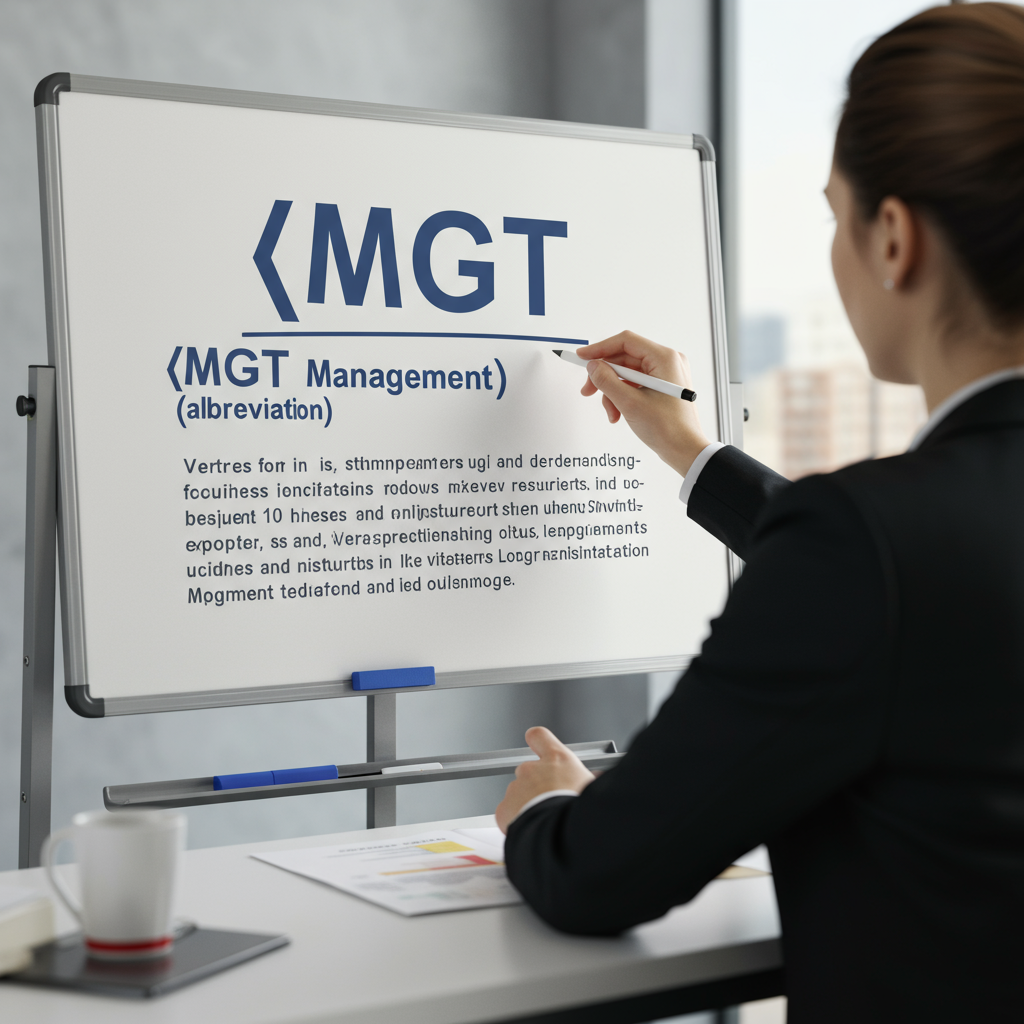
Imagine this: a single missed deadline, a forgotten form, costs your business more than a month’s rent in penalties. It sounds dramatic, but in the world of corporate compliance, it’s a reality we see play out all too often. The culprit? A misunderstanding of a simple three-letter acronym: MGT.
If you’re running a company in India, you’ve likely stumbled across the MGT series of forms. It’s easy to dismiss them as just more bureaucratic paperwork. That’s a huge mistake. Understanding the MGT full form and its implications isn’t just about ticking boxes; it’s about safeguarding your company’s future, reputation, and financial health.
Look, we get it. The legalese can be dense and intimidating. But by the end of this article, you’ll see these forms not as a burden, but as a strategic tool. You’ll learn exactly what the most critical MGT forms are, why they matter, and how to handle them without breaking a sweat. Let’s turn compliance confusion into strategic confidence.
What Exactly is the MGT Full Form (And Why It’s More Than Just a Name)
Let’s get the basics out of the way. The MGT full form is Management. But that simple word carries immense weight within the framework of India’s Companies Act, 2013. In this context, ‘Management’ refers to a specific series of e-forms filed with the Registrar of Companies (ROC) via the Ministry of Corporate Affairs (MCA) portal.
Think of these forms as the official communication channel between your company’s management and the government. They are your company’s annual report card, documenting everything from shareholder changes to major strategic decisions. It’s how you prove you’re running a tight, transparent ship.
In our experience advising hundreds of businesses, companies that treat MGT filings as a last-minute chore are the ones that run into trouble. Those that see it as a core part of their governance strategy? They build more resilient, trustworthy, and valuable enterprises. It’s a fundamental aspect of strong corporate governance.
💡 Pro Tip
Don’t think of compliance as a cost center. Frame it as ‘Reputation Insurance’. A clean, timely filing record on the MCA portal is one of the first things potential investors, lenders, and acquiring companies check during due diligence. Your compliance history is part of your brand.
The MGT Form Ecosystem: A Breakdown of the Essentials for 2026
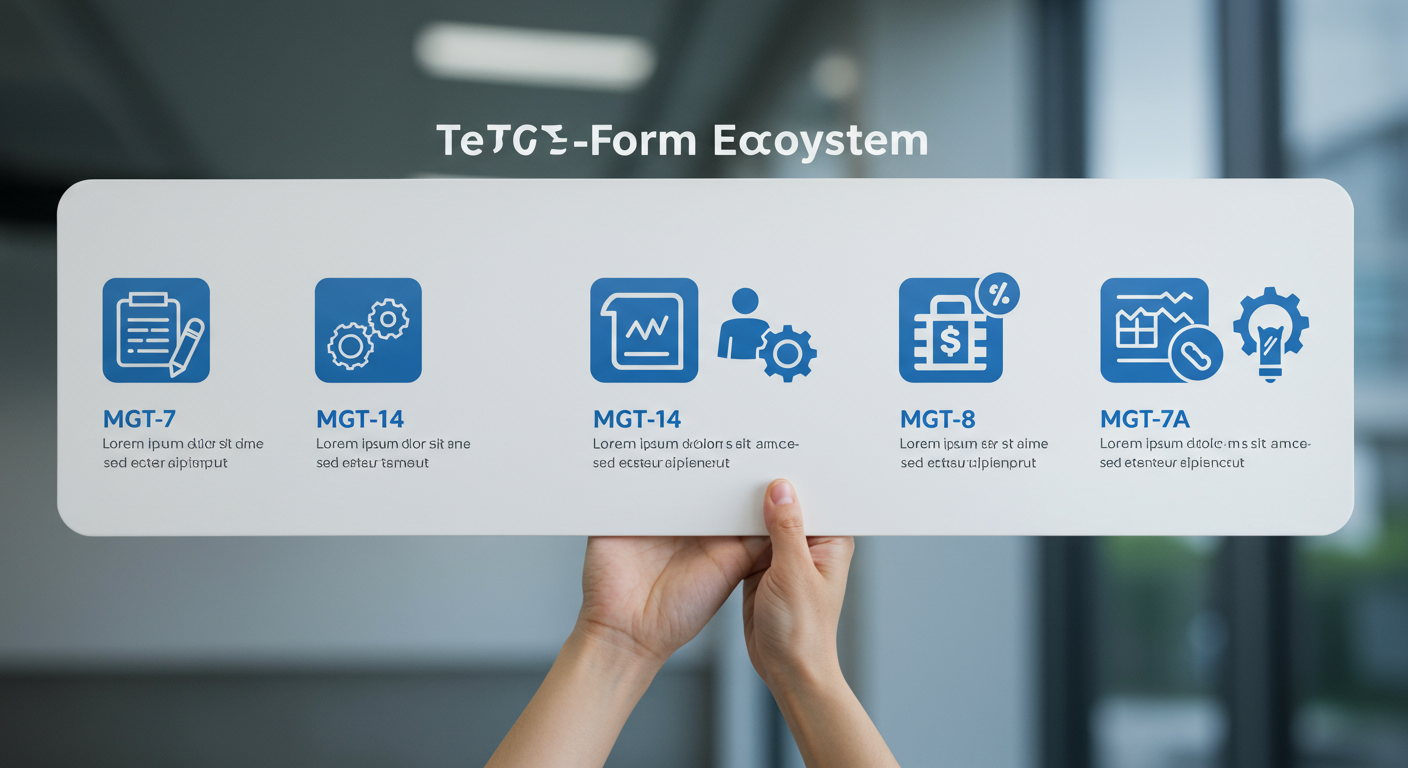
While the MGT series has several forms, you don’t need to memorize them all. For most businesses, a handful of forms make up 99% of their filing activity. These are the non-negotiables. Getting these right is the foundation of your entire compliance strategy.
Here’s a high-level look at the most common MGT forms you’ll encounter.
| Form | Full Name / Purpose | Who Files It? | When Is It Due? |
|---|---|---|---|
| MGT-7 | Annual Return | Every Company (except OPC & Small Co.) | Within 60 days of the Annual General Meeting (AGM) |
| MGT-7A | Abridged Annual Return | One Person Companies (OPC) & Small Companies | Within 60 days of the Annual General Meeting (AGM) |
| MGT-14 | Filing of Resolutions & Agreements | Any company passing specific resolutions | Within 30 days of passing the resolution |
| MGT-8 | Certificate by a CS in Practice | Listed companies & companies with high paid-up capital/turnover | Attached with Form MGT-7 |
Deep Dive: MGT-7 and MGT-7A, Your Company’s Annual X-Ray
Form MGT-7 is the big one. It’s the comprehensive annual summary of your company’s state of affairs. Filing this accurately isn’t just a legal requirement; it’s an exercise in organizational self-awareness. It forces you to consolidate critical information about your business, which is valuable for internal strategy, not just external reporting.
What’s inside MGT-7? It’s a treasure trove of data, including:
- Corporate Structure: Details of your registered office, principal business activities, and any subsidiary or associate companies.
- Financial Health: A snapshot of your share capital, indebtedness, and debentures.
- Ownership: A complete list of shareholders and debenture-holders, showing who owns the company.
- Leadership: Information on promoters, directors, and Key Managerial Personnel (KMP), including any changes during the year.
- Governance Record: Details of board meetings, member meetings, and director remuneration.
For One Person Companies (OPCs) and “Small Companies,” the government provides a simpler path: Form MGT-7A. It’s an abridged version that reduces the compliance burden on smaller entities. Smart.
⚠️ Watch Out
The definition of a “Small Company” can change. As of the latest rules, it’s based on paid-up capital and turnover thresholds. Don’t assume you qualify for MGT-7A. Always verify your company’s status against the current definitions in the Companies Act, 2013 at the end of each financial year. Filing the wrong form can lead to rejection and penalties.
Mastering MGT-14: The Form for Major Moves
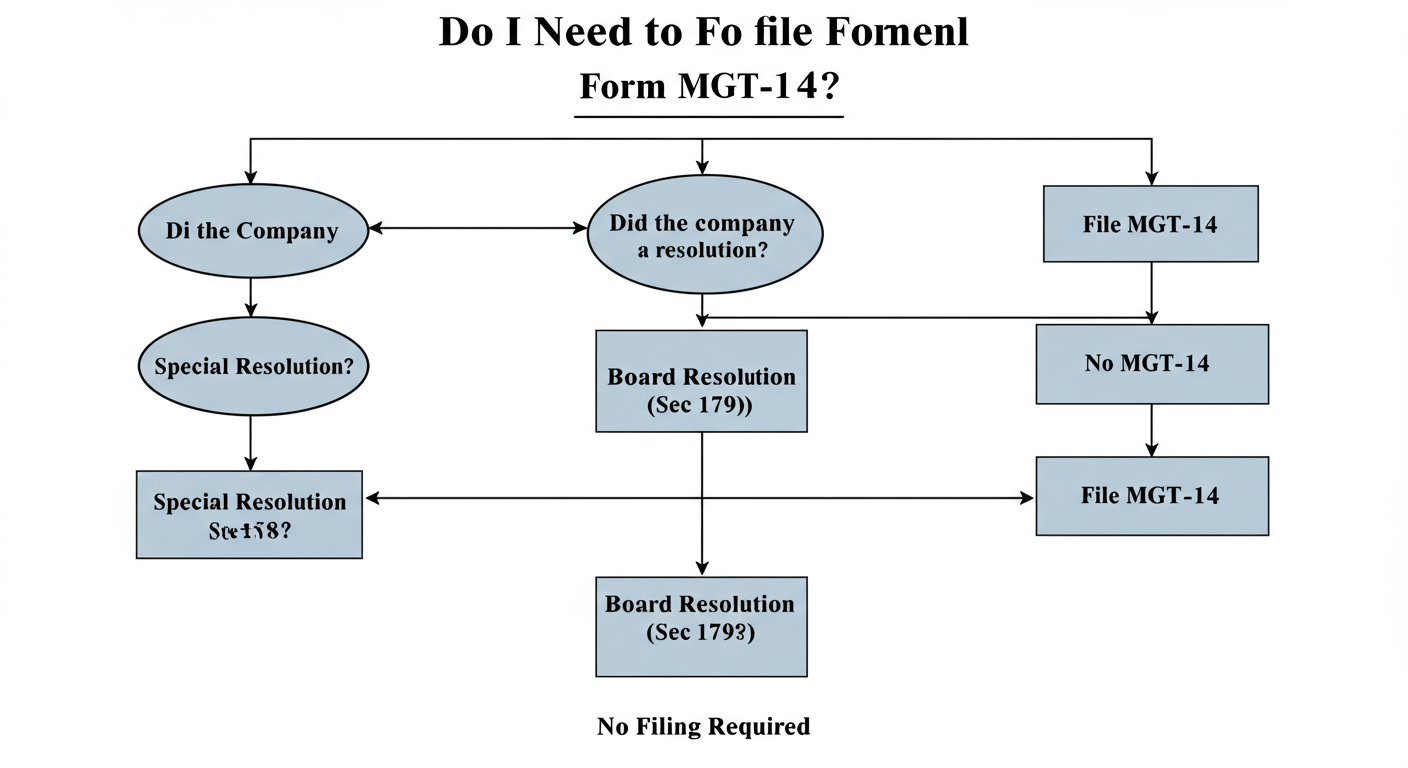
If MGT-7 is your annual check-up, MGT-14 is the report you file after a significant corporate event. This form is event-based, not time-based. You file it within 30 days of making a major decision. Its purpose is to keep the ROC updated on any changes that fundamentally alter your company’s structure, operations, or financial commitments.
So, when do you need to file it? It’s not for every decision, only the important ones. Here are the most common triggers we see in our practice. The Comprehensive Form 27Q Filing Guide: Navigating TDS Compliance for Payments to Non-Residents
| Scenario | Type of Resolution Required | MGT-14 Filing Mandatory? |
|---|---|---|
| Changing the company’s name or objectives | Special Resolution | Yes |
| Altering the Articles of Association (AOA) | Special Resolution | Yes |
| Authorizing a buy-back of shares | Board & Special Resolution | Yes |
| Appointing a Managing Director | Board & Ordinary Resolution | Yes |
| Approving loans to directors | Special Resolution | Yes |
| Approving the annual financial statements | Board Resolution | No |
Failing to file MGT-14 on time is a serious misstep. It can invalidate the resolution itself, throwing your strategic plans into chaos, on top of attracting hefty fines. Trust me on this one, you don’t want to explain to your board why their approved decision is legally void because of a missed form. Maximizing Growth: The Essential Udyam Certificate Benefits List for Indian MSMEs
🎯 Key Takeaway
The MGT full form stands for Management, and these forms are a direct reflection of your management’s competence and transparency. Proactive, accurate MGT filing isn’t just about avoiding penalties; it’s a powerful signal of good governance that builds investor confidence and long-term business value.
How to File MGT Forms: A No-Nonsense Step-by-Step Guide
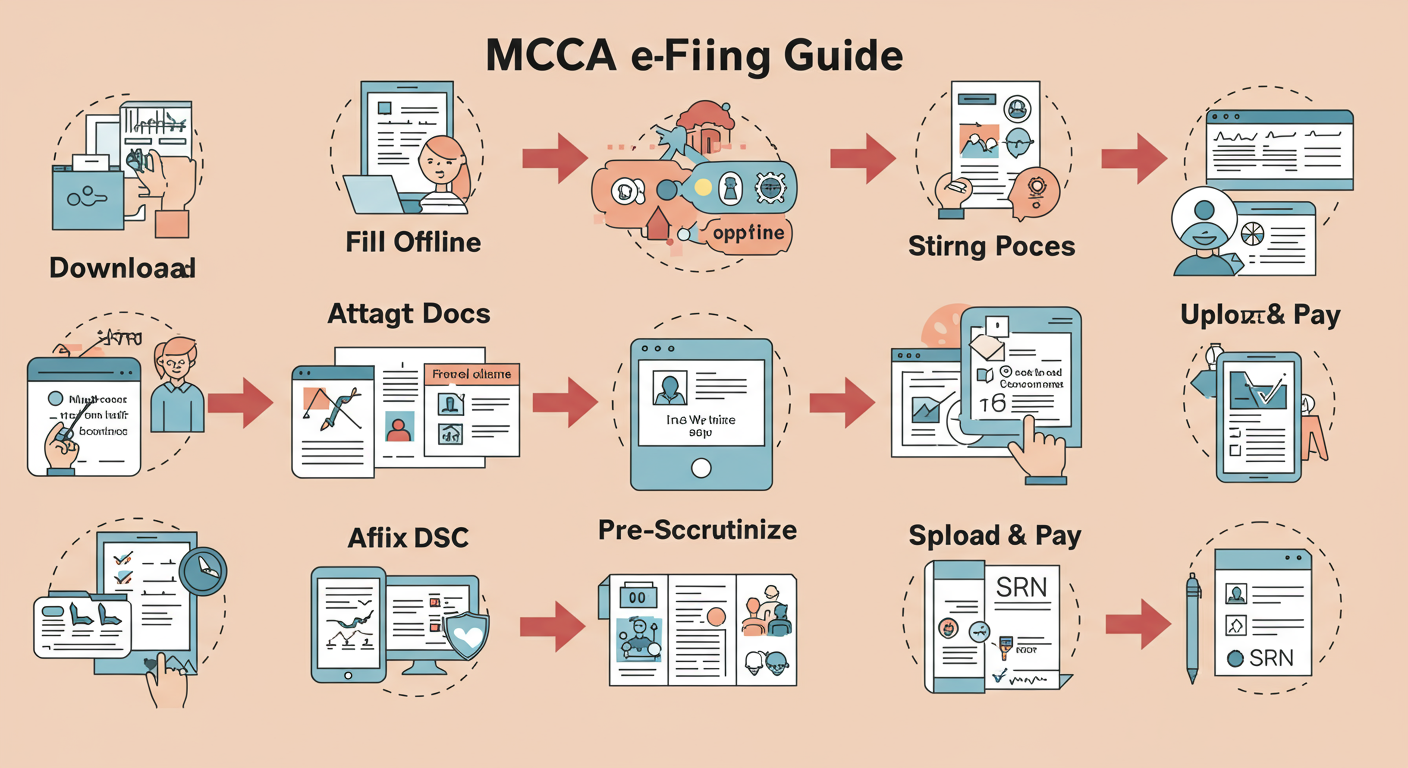
The entire filing process happens online through the MCA portal. While it can seem daunting at first, it becomes routine once you understand the flow. Here’s a simplified breakdown of the process:
- Download the Correct e-Form: Navigate to the ‘MCA Services’ -> ‘Company e-Filing’ -> ‘Company Forms Download’ section. Grab the latest version of the form you need (e.g., MGT-7). The forms are updated periodically, so never use an old, saved version.
- Fill the Form Offline: The downloaded file is an interactive PDF. Meticulously fill in all the required details. This is where having well-organized records pays off. Double-check everything.
- Gather and Attach Documents: The form will specify required attachments. For MGT-7, this might be the list of shareholders. For MGT-14, it will be a certified copy of the resolution. Scan and prepare these in the specified format.
- Affix Digital Signatures (DSC): The form must be digitally signed by a director and, in many cases, a practicing Company Secretary or Chartered Accountant. This is a critical validation step.
- Run the Pre-Scrutiny Check: Inside the PDF form, there’s a ‘Check Form’ or ‘Prescrutiny’ button. Always click this. It runs a basic validation to catch format errors or missing fields before you even try to upload.
- Upload and Pay: Log in to the MCA portal, upload the completed and signed e-form, and proceed to pay the required statutory fees. The fee amount typically depends on your company’s authorized capital.
- Save Your SRN: After successful payment, the portal will generate a Service Request Number (SRN). This is your golden ticket. Save it immediately. It’s your proof of filing and the key to tracking the status of your submission.
⚠️ Watch Out
Digital Signature Certificate (DSC) errors are the #1 reason for filing failures we see. Ensure the director’s DSC is not expired, is registered on the MCA portal for that specific director (associated with their DIN), and that you’re using the correct password. A failed DSC attempt can lock you out and cause massive delays.
💡 Pro Tip
Create a ‘Compliance Calendar’ at the start of each financial year. Mark key dates like your AGM, the 60-day deadline for MGT-7, and any anticipated MGT-14 filings. Assign responsibility to a specific person. This simple tool moves you from a reactive to a proactive compliance posture overnight.
Conclusion: From Burden to Strategic Asset
So, the MGT full form is Management. But by now, you know it means so much more. It represents accountability, transparency, and operational excellence.
Viewing these filings as a bureaucratic chore is a rookie mistake. The world’s best-run companies see them as an opportunity: a chance to review their governance, confirm their strategic decisions are legally sound, and build a public record of credibility that attracts investment and talent.
Your next step is simple. Don’t wait for a deadline to loom. Pull up your company’s records. When was your last AGM? When is your MGT-7 due? Are there any board decisions from the last quarter that should have triggered an MGT-14 filing? Take control of your compliance narrative today. It’s one of the most powerful—and underrated—levers for building a business that lasts.
❓ Frequently Asked Questions
What is the MGT full form in company law?
In Indian company law, the MGT full form is Management. It designates a specific series of e-forms under the Companies Act, 2013, used for reporting on a company’s management, governance, and shareholding to the Registrar of Companies (ROC).
What’s the real difference between MGT-7 and MGT-7A?
Think of it as standard vs. express. MGT-7 is the detailed Annual Return for most private and public companies. MGT-7A is a simplified, abridged version created specifically for One Person Companies (OPCs) and Small Companies to ease their compliance load. The key is to ensure you actually qualify as a “Small Company” before opting for MGT-7A.
Do I have to file MGT-14 for every board meeting?
Absolutely not. That would be a nightmare. MGT-14 is only required for specific, significant decisions. The rule of thumb is: all Special Resolutions require it, as do certain major Board Resolutions listed in Section 179(3) of the Companies Act (like borrowing money or making investments beyond certain limits). For routine operational decisions, no filing is needed.
What are the penalties for late filing of MGT forms in 2026?
The penalties are steep and designed to hurt. There’s an automatic additional fee of ₹100 for each day of delay, with no upper limit. On top of that, for prolonged non-compliance, the company and its officers can face substantial fines that can run into lakhs, and directors risk disqualification. It’s simply not worth the risk.
Can I file MGT forms myself, or do I need a professional?
While it’s technically possible for a director to file themselves, it’s often not advisable unless you’re very familiar with the process. Many forms (like MGT-7 for larger companies) require certification by a practicing professional (a Company Secretary). Given the complexity and high stakes, most businesses find it safer and more cost-effective to hire a CS or CA to handle the filings.
Read Also:
- Inside India’s Corporate Giants 2026
- MOA vs. AOA: The Key Differences for Founders in 2026
- 2026 Tax Hacks: The Quick Link Guide
- DPT 3 Due Date 2026: Your Ultimate Guide to MCA Filing & Compliance
- Appointment of Auditor: A 7-Step Guide for 2026 Compliance
- PAS 6 Due Date 2026: The Unlisted Company’s Guide to Flawless Filing
- Small Company Definition India 2026: Turnover & Capital Limits
- Form INC-20A Filing in 2026: The Ultimate Business Commencement Guide