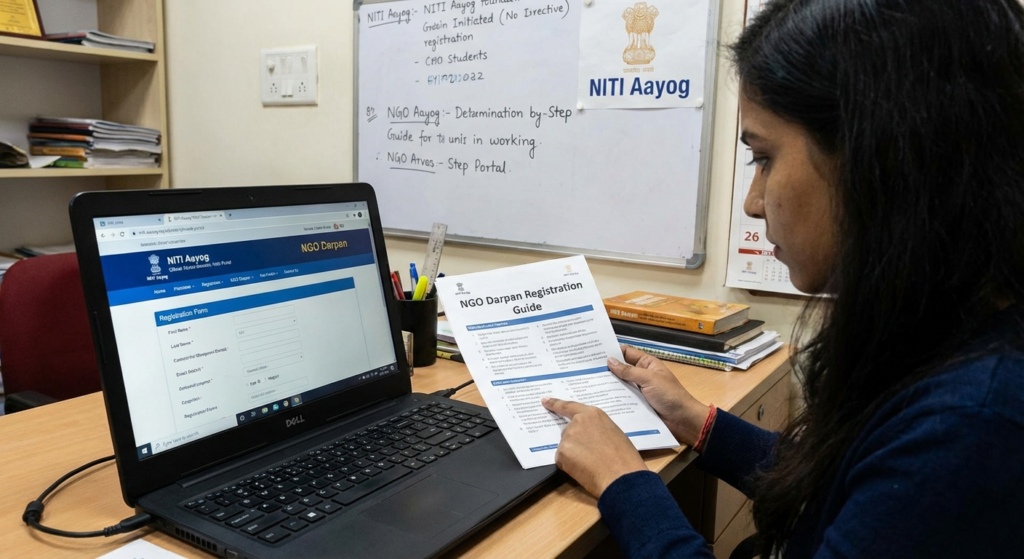
Understanding the Niti Aayog Darpan Registration Process
In the evolving landscape of social welfare and non-profit management in India, transparency and accountability have become the cornerstones of success. For any Non-Governmental Organization (NGO), Voluntary Organization (VO), or Charitable Trust, the Niti Aayog Darpan registration process is no longer just an optional step; it is a vital gateway to legitimacy and growth. The NGO Darpan portal, maintained by Niti Aayog in association with the National Informatics Centre, serves as an interface between the government and the non-profit sector. By registering on this platform, organizations gain a unique identity that validates their existence and simplifies their interactions with various government departments.
Navigating the Niti Aayog Darpan registration process allows your organization to showcase its work to a broader audience, including potential government partners and Corporate Social Responsibility (CSR) contributors. Whether you are a newly formed society or an established trust, understanding how to obtain your Unique ID is the first step toward professionalizing your operations. This guide provides a comprehensive breakdown of everything you need to know to successfully complete the registration and unlock new opportunities for your mission.
Enhanced Credibility
Registration provides a government-recognized Unique ID, signaling to donors and partners that your NGO is legitimate and transparent in its operations.
Access to Grants
Most central and state government ministries require a Darpan Unique ID before they even consider an application for financial assistance or grants.
CSR Opportunities
Corporates looking to fulfill their CSR mandates often prioritize NGOs registered on the Darpan portal to ensure their funds are handled by verified entities.
Benefits of Completing the Niti Aayog Darpan Registration Process
The primary motivation for most organizations to undergo the Niti Aayog Darpan registration process is the mandatory requirement for government funding. If your NGO intends to apply for schemes under ministries like the Ministry of Social Justice and Empowerment or the Ministry of Women and Child Development, a Darpan Unique ID is your entry ticket. However, the benefits extend far beyond just financial aid. The portal acts as a centralized database where NGOs can update their achievements, project details, and financial health, making it easier for the government to track the impact of the voluntary sector.
Furthermore, the integration of the portal with other regulatory frameworks, such as the what is PAN 2.0 project, ensures that the data provided is accurate and verifiable. This level of synchronization reduces the bureaucratic hurdles NGOs face when dealing with multiple departments. By being part of this ecosystem, your organization contributes to a more organized and data-driven developmental sector in India.
Impact of the Niti Aayog Darpan Registration Process on CSR Funding
In recent years, the Ministry of Corporate Affairs has tightened the rules surrounding CSR expenditures. Companies are now required to ensure that the NGOs they partner with are registered with the Office of the Registrar of Companies and possess a valid Niti Aayog Registration. The Niti Aayog Darpan registration process acts as a preliminary screening tool for these corporates. It provides them with a snapshot of the NGO’s history, its board members, and its area of operation, thereby reducing the risk of fund misappropriation.
Essential Documents for the Niti Aayog Darpan Registration Process
Before you begin the digital application, gathering the correct documentation is crucial to avoid rejection. The Niti Aayog Darpan registration process requires precise information that matches your official legal records. Discrepancies in names or identification numbers are the leading causes of delays in obtaining a Unique ID. It is highly recommended to have digital copies of all registration certificates and identity proofs ready for upload.
Entity PAN Card
A valid Permanent Account Number issued in the name of the Trust, Society, or Section 8 Company is mandatory for the registration.
Registration Certificate
The PDF or image of your incorporation certificate (under the Societies Registration Act, Trusts Act, or Companies Act) must be uploaded.
Member Details
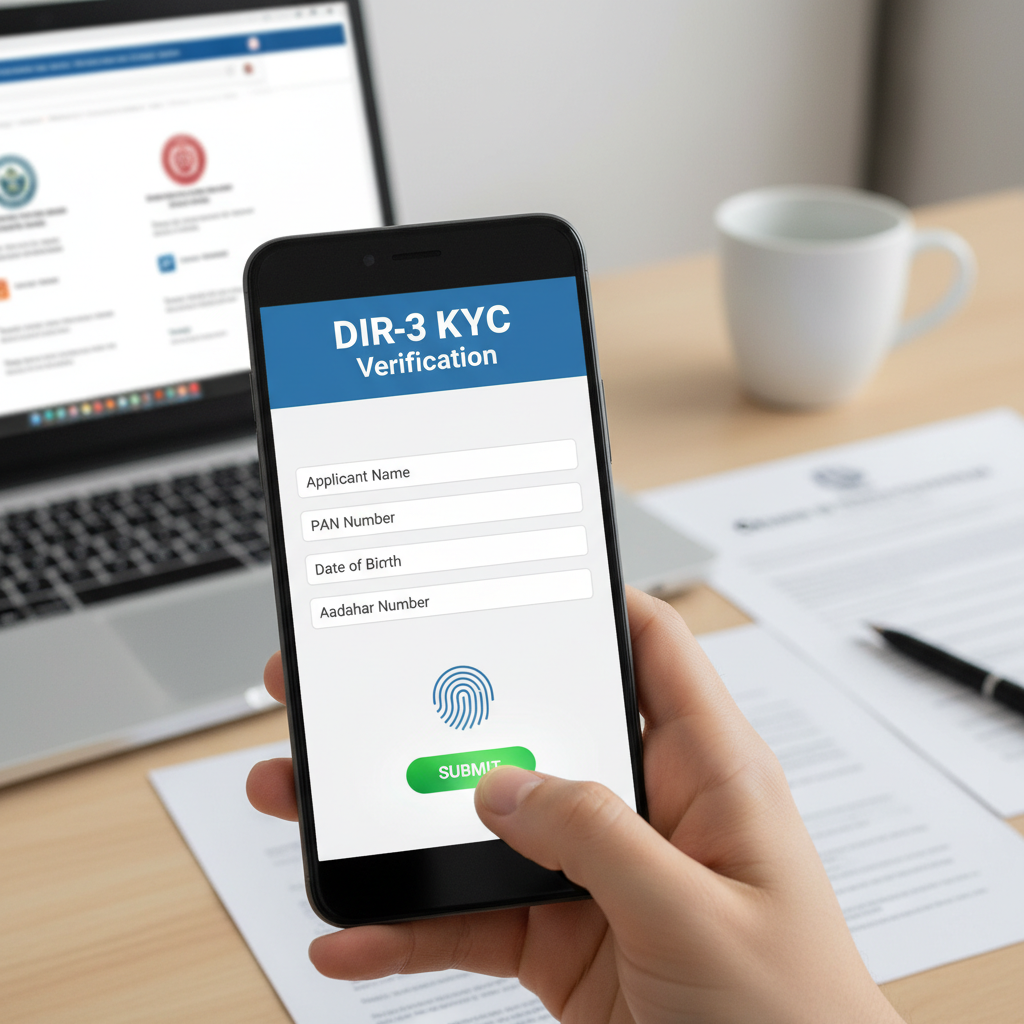
Aadhaar numbers and PAN details of at least three executive committee members or trustees are required for identity verification.
Contact Info
Registered mobile numbers and official email addresses are essential for receiving OTPs and the final Unique ID certificate.
Step-by-Step Guide to the Niti Aayog Darpan Registration Process
The actual application is performed on the official NGO Darpan portal. Follow these steps carefully to ensure a smooth experience:
- Account Creation: Visit the portal and click on ‘Sign Up’. You will need to provide the name of the NGO, a mobile number, and an email address. A verification link or OTP will be sent to validate your contact details.
- Organization Profile: Once logged in, you must enter the basic details of your organization, including the type (Trust/Society/Company), the date of registration, and the registration number.
- Address Details: Provide the registered office address as per your legal documents. Ensure the state and district are correctly selected to help the system categorize your area of operation.
- Member Information: This is a critical part of the Niti Aayog Darpan registration process. You must enter the names, designations, and Aadhaar/PAN numbers of the key members. The portal uses these details to prevent the formation of multiple ‘shell’ NGOs by the same individuals.
- Source of Funds: You will be asked about your previous funding history, including any government grants received. If you are a new organization, you can mark this as ‘Not Applicable’.
- Final Submission: After reviewing all the entered data, submit the application. The system will process the information, and upon successful verification, a Unique ID (e.g., KA/2023/0123456) will be generated.
Common Challenges in the Niti Aayog Darpan Registration Process
While the portal is user-friendly, many NGOs encounter hurdles during the Niti Aayog Darpan registration process. One common issue is the ‘PAN mismatch’ error. This occurs when the name on the NGO’s PAN card does not exactly match the name entered in the portal. Even a minor spelling difference or a misplaced space can trigger a rejection. It is vital to refer to the physical PAN card while typing the details.
Another challenge is the Aadhaar authentication for members. If a member’s mobile number is not linked to their Aadhaar, they might not receive the necessary OTPs for verification. Ensuring that all board members have updated their Aadhaar records can significantly speed up the Niti Aayog Darpan registration process. Additionally, the portal sometimes undergoes maintenance; hence, it is wise to keep a backup of your data in case the session times out during the application.
Post-Registration Steps After the Niti Aayog Darpan Registration Process
Obtaining the Unique ID is just the beginning. To keep your registration active and useful, you must regularly update your profile on the Niti Aayog website. If there are changes in your governing body or office address, these must be reflected on the Darpan portal immediately. Furthermore, every time you apply for a government grant, you will need to quote this Unique ID. Many departments now use an automated system that pulls your NGO’s data directly from the Darpan database, so keeping your profile comprehensive and current is non-negotiable.
Conclusion
The Niti Aayog Darpan registration process is a transformative step for any NGO aiming to make a significant impact in India. It builds a bridge of trust between the voluntary sector and the government, ensuring that resources are directed toward legitimate and active organizations. By following the steps outlined in this guide and maintaining a transparent profile, your NGO can stand out in a crowded sector, attract better funding, and ultimately serve its beneficiaries more effectively. Remember, the goal of Darpan is to reflect the true work of NGOs; let your profile be a clear mirror of your dedication to social change.
FAQs
While not mandatory for basic operation, it is compulsory if the NGO wants to apply for government grants, schemes, or certain CSR funds from public sector undertakings.
The government does not charge any fee for registration on the NGO Darpan portal. It is a free service intended to promote transparency in the voluntary sector.
Generally, the portal requires details of at least three distinct members (Chairman, Secretary, and Treasurer/Member) to complete the profile and ensure a robust governing structure.
Usually, the ID is generated instantly. However, if it is pending, it might be due to manual verification of documents. You can track the status using your login credentials on the portal.
The Unique ID does not have a fixed expiry date, but NGOs are required to update their profile and financial details annually to remain in the ‘Active’ list of the database.
Read Also:
- Avoiding the Pitfalls: Identifying the common mistakes in GST registration India
- Maximizing Growth: Understanding the Udyam Registration Benefits for MSME and the Online Process 2026
- Flames Calculator – Calculate Your Relationship Chemistry
- GST HSN Code: A Comprehensive Guide on How to Find the Right Code for Your Products and Ensure Compliance