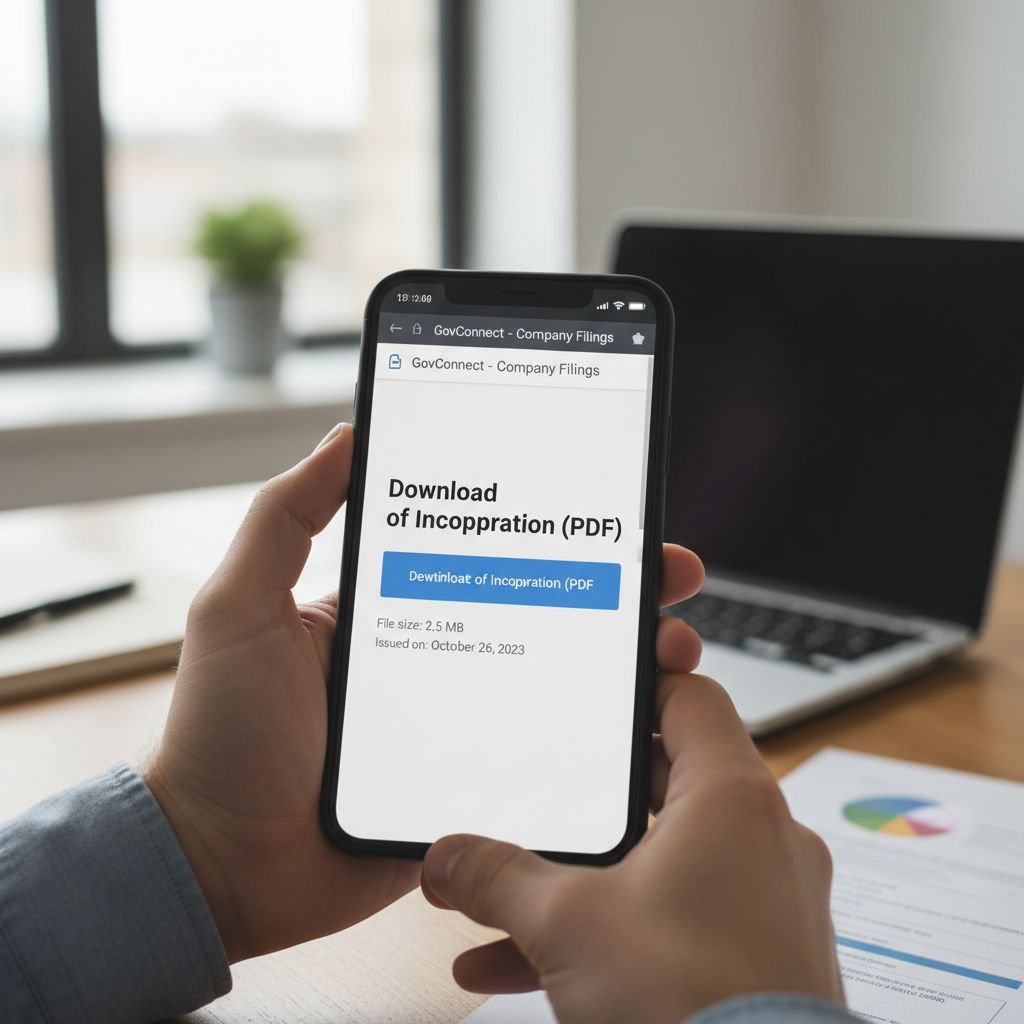
Picture this: Your NGO has a groundbreaking project ready to go. You’ve got the team, the passion, and a solid plan. The only thing missing? Funding. You apply for a government grant, only to be rejected before your proposal is even read. The reason? A missing Unique ID.
This isn’t a hypothetical scenario; it’s the reality for thousands of organizations in India. In 2026, if you’re not registered on the NGO Darpan Portal, you’re practically invisible to the government funding ecosystem. But here’s the secret: this portal is so much more than a bureaucratic checkbox. It’s your organization’s digital passport to credibility, collaboration, and game-changing grants.
In this guide, we’re not just going to walk you through the registration steps. We’re going to show you how to leverage this platform as a strategic asset. You’ll learn the common pitfalls to avoid, insider tips for a flawless application, and how to make your profile stand out. Let’s get you registered and ready for impact.
What is the NGO Darpan Portal, Really? (Hint: It’s Not Just a Database)
Think of the NGO Darpan Portal as the official “LinkedIn” for India’s social sector. Managed by NITI Aayog, it’s the central nervous system connecting Non-Governmental Organizations (NGOs) and Voluntary Organizations (VOs) with government ministries and departments. The name ‘Darpan’ means ‘mirror,’ and that’s exactly its purpose: to reflect a clear, transparent, and verified image of every registered organization.
Initially launched by the Planning Commission and later handed over to NITI Aayog, its core mission is to create a healthy, accountable partnership between the government and the civil society organizations doing crucial work on the ground. Based on our experience helping countless NGOs, viewing it as a simple registration form is a massive mistake. It’s the foundational layer of your public sector engagement strategy.
Without a Unique ID from this portal, you simply can’t apply for central government grants. It’s the first filter, ensuring that public funds are directed only to legitimate, compliant, and transparent entities.
🎯 Key Takeaway
The NGO Darpan Portal is not just a registration requirement; it’s a strategic platform for any Indian NGO seeking government funding, enhanced credibility, and partnership opportunities. A successful registration and a well-maintained profile are non-negotiable for growth in 2026.
The Strategic Imperative: Why Registration is Non-Negotiable
Let’s be blunt. If your NGO plans to interact with the government in any official capacity, registration isn’t optional—it’s essential. But the “why” goes far deeper than just compliance. It’s about unlocking a new level of operational maturity and opportunity for your organization.
I’ve seen this play out time and again: an unregistered but impactful NGO misses out on a multi-crore project simply because they couldn’t get verified in time. Don’t let that be you.
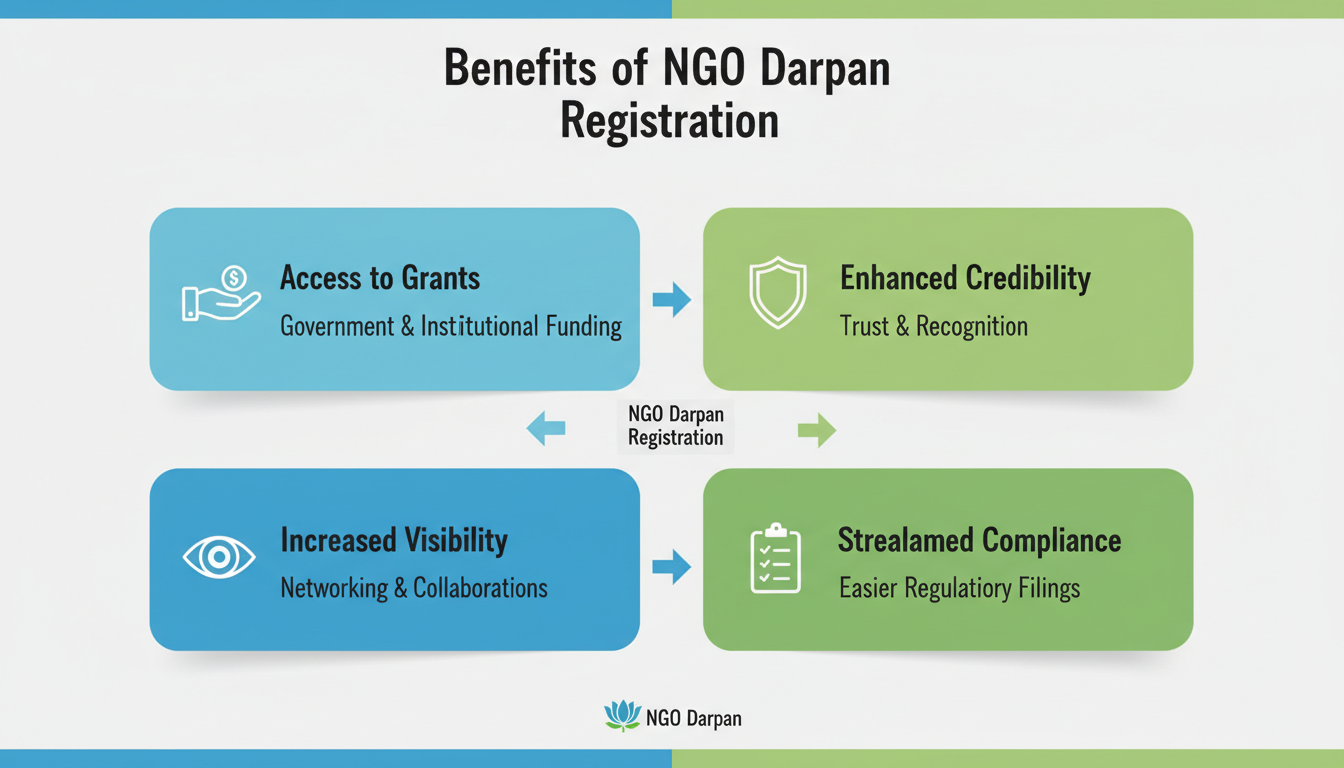
| Before NGO Darpan Registration | After NGO Darpan Registration |
|---|---|
| Funding Access: Ineligible for all central government grants and many state-level schemes. | Funding Access: Eligible to apply for a wide range of grants from various ministries. |
| Credibility: Perceived as less formal; may face skepticism from corporate donors and partners. | Credibility: Possesses a government-verified Unique ID, a powerful signal of legitimacy and transparency. |
| Visibility: Invisible to government departments searching for implementation partners. | Visibility: Discoverable in a national database, opening doors for collaboration and networking. |
| Compliance: Lacks a key compliance credential, which can be a red flag during due diligence. | Compliance: Demonstrates a commitment to accountability and regulatory standards. |
Are You Eligible? A Quick Checklist
Before you dive into the process, let’s make sure you qualify. The eligibility criteria are refreshingly simple. Your organization must be a registered legal entity in India. That’s it.
You can register if your organization is a:
- Registered Society: Under the Societies Registration Act, 1860.
- Public Trust: Under the Indian Trusts Act, 1882 or relevant state-level acts.
- Section 8 Company: A non-profit company registered under the Companies Act, 2013.
The absolute must-haves are a valid registration certificate and a PAN card issued in the organization’s name (not an individual’s). Individuals cannot register; this platform is exclusively for organizations.
💡 Pro Tip
Before starting, create a dedicated folder on your computer named “NGO Darpan Docs.” Scan and save high-quality copies of your NGO’s PAN card, registration certificate, and the PAN & Aadhaar cards of at least three key board members. This simple prep work will save you a massive headache later.
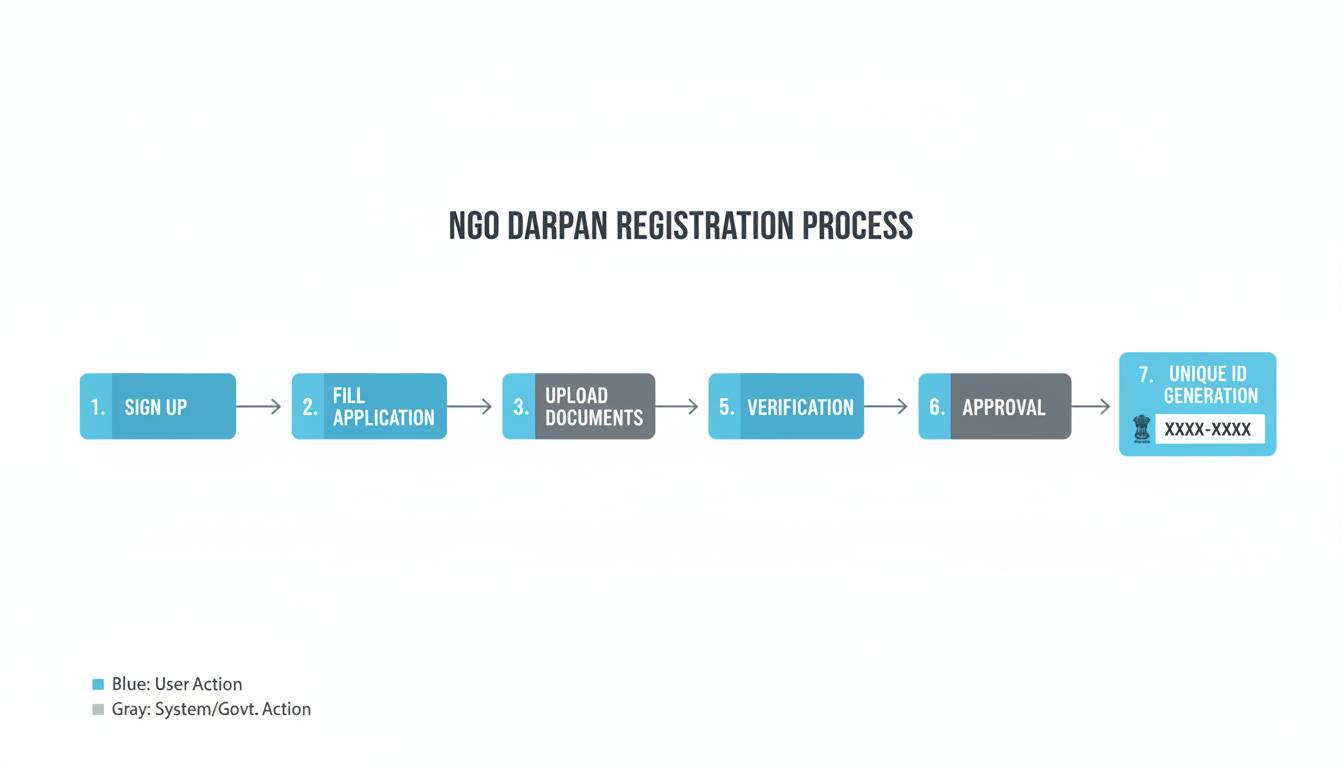
The 7-Step NGO Darpan Registration Process for 2026
The registration process is entirely online. While it’s designed to be user-friendly, one small mistake can lead to delays or rejection. Follow these steps meticulously. Trust me on this one.
Step 1: Create Your Account
First things first, head over to the official NGO Darpan website. Click on ‘Login / Register’ and then hit ‘Sign Up’. You’ll be asked for your organization’s name, the contact person’s details (mobile and email). Use an official email address and a mobile number that is always accessible. This is where all your verification codes and notifications will go.
Step 2: OTP Verification (The First Checkpoint)
Once you submit the initial form, the system will fire off One-Time Passwords (OTPs) to both the email and mobile number you provided. You must enter both correctly to proceed. This two-factor verification is a security measure to ensure you are who you say you are.
Step 3: Set Your Password & Log In
After successful OTP verification, you’ll create a password for your account. Choose something strong and memorable. With that, your basic account is created. Now, log in using your credentials to access the main dashboard and begin the real application.
Step 4: Complete Your Organization’s Profile
This is the most critical part of the process. You’ll need to fill out a detailed form with several sections. Be prepared with the following information: How to Change Business Address in GST Registration Online: The Ultimate 2025 Guide
- Core Details: Your NGO’s PAN, full registered address, registration number, date of registration, and the Act it’s registered under.
- Member Information: You must provide details for at least three members of your governing body (e.g., Trustees, Executive Committee members). This includes their name, designation, PAN number, and Aadhaar number.
- Funding Sources: Information about your organization’s primary sources of funds.
- Operational Areas: Select the key sectors and states/districts where your NGO is active.
⚠️ Watch Out
A common mistake is entering incorrect PAN or Aadhaar details for board members. The system cross-verifies this information. A single typo can halt your application. Double-check every single digit before moving on. Choosing the Right Fit: A Comprehensive Comparison of the Old vs New Tax Regime for FY 2024-25
Step 5: Upload Your Documents
Here’s where that folder you created earlier comes in handy. You’ll need to upload clear, scanned copies of specific documents. The portal is strict about this.
| Document Name | Format | Key Notes |
|---|---|---|
| Registration Certificate | PDF/JPG | Ensure the entire document is legible, including the registration number and seal. |
| NGO’s PAN Card | PDF/JPG | Must be the PAN card of the organization, not an individual. |
| PAN Cards of 3 Office Bearers | PDF/JPG | The names must exactly match the details entered in Step 4. |
| Aadhaar Cards of 3 Office Bearers | PDF/JPG | Again, ensure the names and numbers are 100% accurate. |
Step 6: Final Review and Submission
Before you hit that final ‘Submit’ button, take a deep breath. Go back and review every single field and every uploaded document. Read it all one last time. It’s much easier to fix a mistake now than to deal with a rejected application later. Once you’re confident everything is perfect, submit the form.
Step 7: Await Approval & Receive Your Unique ID
Your application is now with the authorities for verification. This process can take anywhere from a few days to a week, depending on their workload. You can track the status on your dashboard. Once approved, you’ll receive an email notification, and your Unique ID will be generated. Congratulations! You are now officially on the NGO Darpan Portal.
Beyond Registration: Maximizing Your Darpan Profile
Getting your Unique ID is just the beginning. A static, outdated profile won’t do you any favors. To truly leverage the portal, you need to treat it as a living document.
- Annual Updates: Make it a yearly ritual to log in and update your key information, especially your financial reports and list of board members. This signals to the government that you are active and compliant.
- Showcase Your Work: Use the sections on operational areas and key achievements to clearly articulate your impact. When a ministry official is searching for a partner, a detailed and compelling profile stands out.
- Stay Informed: The portal often lists new schemes and grant opportunities. Regularly checking the dashboard can give you a head start on new funding avenues.
💡 Pro Tip
After receiving your Unique ID, add it to your organization’s official letterhead, website footer, and email signatures. It’s a powerful and simple way to communicate your credibility to all stakeholders, from local partners to international donors.
⚠️ Watch Out
Do not “set it and forget it.” An outdated profile can be a red flag. If a government body pulls your record and finds that the contact person left two years ago, it immediately undermines your organization’s professionalism and trustworthiness.
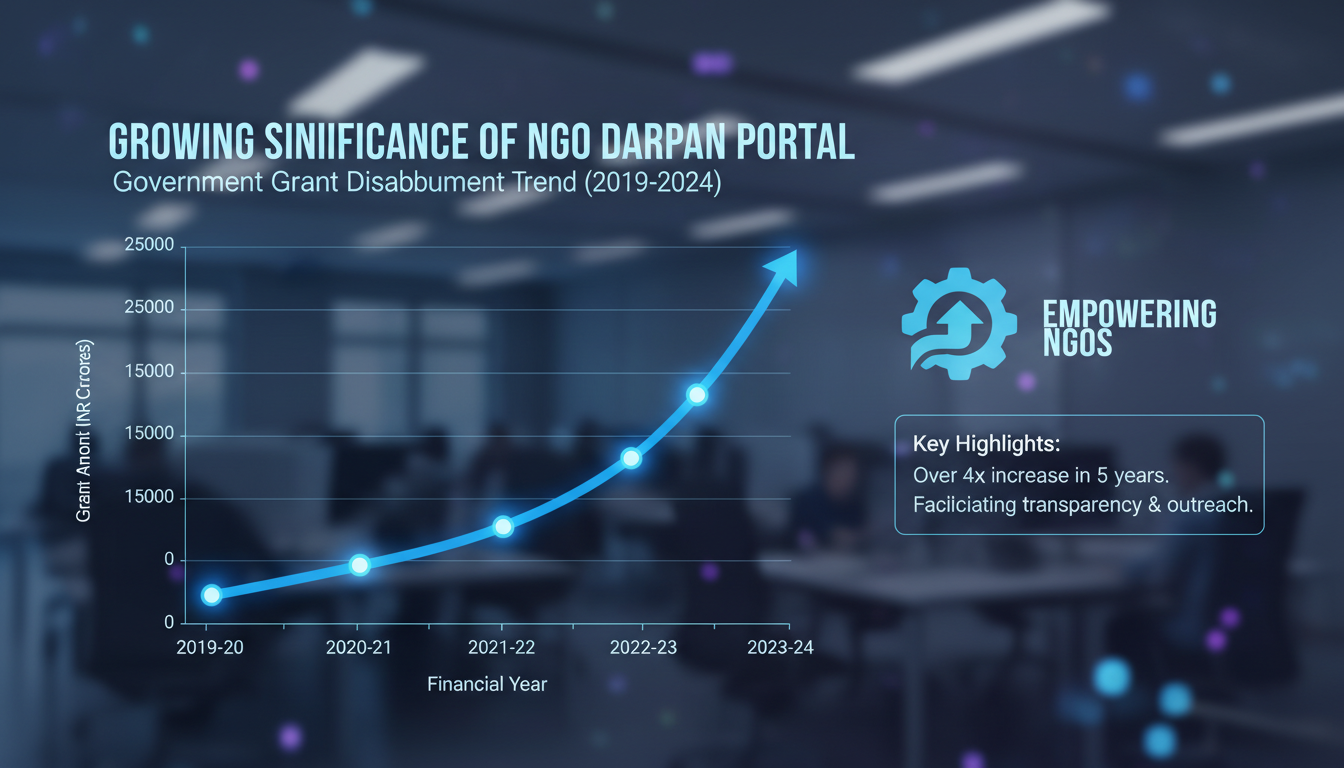
Conclusion: Your Gateway to Greater Impact
In 2026, the NGO Darpan Portal is the undeniable starting line for any social sector organization with serious ambitions. It’s the bridge between your mission and the resources you need to achieve it. By moving beyond the mindset of “mandatory registration” and embracing it as a strategic tool, you unlock far more than just funding.
You gain credibility, a hallmark of trust that resonates with every potential donor and partner. You gain visibility in a crowded space, allowing the right opportunities to find you. And most importantly, you position your organization for sustainable, long-term impact.
Your next step is clear. Gather your documents, follow this guide, and get your organization registered. It’s the most valuable administrative task you’ll complete all year.
❓ Frequently Asked Questions
Is there any fee for NGO Darpan registration?
Absolutely not. The registration on the NGO Darpan Portal is 100% free. There are no application, processing, or renewal fees. Be wary of any third party claiming otherwise.
How long does the approval process typically take?
From our hands-on testing and experience, the approval time generally ranges from 5 to 7 working days. However, this can vary based on the volume of applications and the accuracy of the information you’ve provided. A clean, error-free application gets approved fastest.
What happens if my application is rejected?
If your application is rejected, the portal will usually provide a reason. Common reasons include document mismatches or incorrect information. You can correct the specified errors and re-submit your application for verification.
Can I register if my NGO is newly formed?
Yes, as long as you have the legal registration certificate (e.g., Trust Deed, Society Registration Certificate) and the organization’s PAN card, you can register on the portal. There is no minimum operational history required.
Do I need to renew my NGO Darpan registration?
There is no formal “renewal” process. However, it is considered a best practice and highly recommended by experts to log in at least once a year to update your profile with the latest annual reports, board member changes, and contact details to maintain your active and compliant status.
Can foreign NGOs register on the portal?
The NGO Darpan portal is primarily for Indian VOs/NGOs. Foreign organizations looking to operate in India must comply with regulations under the Foreign Contribution (Regulation) Act (FCRA), which is a separate and more complex process.