Introduction to HSN Codes in the GST Era
Navigating the world of taxation can often feel like walking through a complex labyrinth. For business owners in India, one of the most critical elements of this journey is understanding the Harmonized System of Nomenclature (HSN). Whether you are a small retailer or a large-scale manufacturer, knowing how to find GST HSN code for products is not just a technical requirement—it is a fundamental pillar of tax compliance. This coding system ensures that goods are classified uniformly across the country, making the tax structure predictable and transparent.
The HSN system was developed by the World Customs Organization (WCO) and has been adopted by over 200 countries. In India, it serves as the backbone of the Goods and Services Tax (GST) regime. By assigning a unique code to every category of goods, the government can apply specific tax rates efficiently. If you are just starting out and need GST Registration Help, understanding these codes will be your first step toward generating valid tax invoices and filing accurate returns.
Understanding the HSN Classification System
The HSN system is structured logically to cover almost every item of trade. It is organized into 21 sections, which are further divided into 99 chapters. Each chapter contains headings and sub-headings that drill down into the specifics of a product. For instance, the classification moves from broad categories like ‘Textiles’ to specific items like ‘Cotton Yarn’. This hierarchical structure is what makes the system so robust and globally accepted.
When you look at an HSN code, you are looking at a story of the product’s identity. The first two digits represent the chapter, the next two represent the heading, and the following digits represent the sub-heading and specific national tariff lines. For businesses, mastering how to find GST HSN code for products ensures that you are not overpaying taxes or, conversely, risking penalties for underpayment due to incorrect classification.
HSN vs. SAC
While HSN (Harmonized System of Nomenclature) is used for classifying goods, SAC (Services Accounting Code) is used for classifying services. Both are essential for GST billing.
The 8-Digit Structure
The first 2 digits are the Chapter, the next 2 are the Heading, the next 2 are the Sub-heading, and the final 2 are the Tariff Item.
Global Standard
HSN is used in international trade to ensure that customs authorities across different countries identify the same product using the same code.
Technical Requirements: How to Find GST HSN Code for Products Based on Turnover
Not every business needs to provide the same level of detail in their HSN codes. The GST Council has established specific rules based on the annual aggregate turnover of the business. Understanding these thresholds is vital before you learn how to find GST HSN code for products for your specific business model.
- Turnover up to ₹5 Crores: Businesses with an aggregate turnover of up to ₹5 crores in the previous financial year are required to mention a 4-digit HSN code on their B2B invoices. Mentioning codes on B2C invoices is optional for these taxpayers.
- Turnover above ₹5 Crores: Taxpayers with a turnover exceeding ₹5 crores must mandatory provide a 6-digit HSN code for all B2B and B2C invoices.
- Import and Export: For international trade, an 8-digit HSN code is mandatory regardless of the turnover. This ensures alignment with the Indian Customs Tariff Act.
Even if you are operating as an unregistered partnership firm registration, knowing these codes is helpful if you plan to cross the threshold for mandatory registration in the future.
How to Find GST HSN Code for Products: A Step-by-Step Guide
Finding the right code does not have to be a guessing game. The government provides several official tools to help taxpayers. Here is the most reliable way to identify the correct code for your items.
Navigating the Official GST Portal to Find Codes
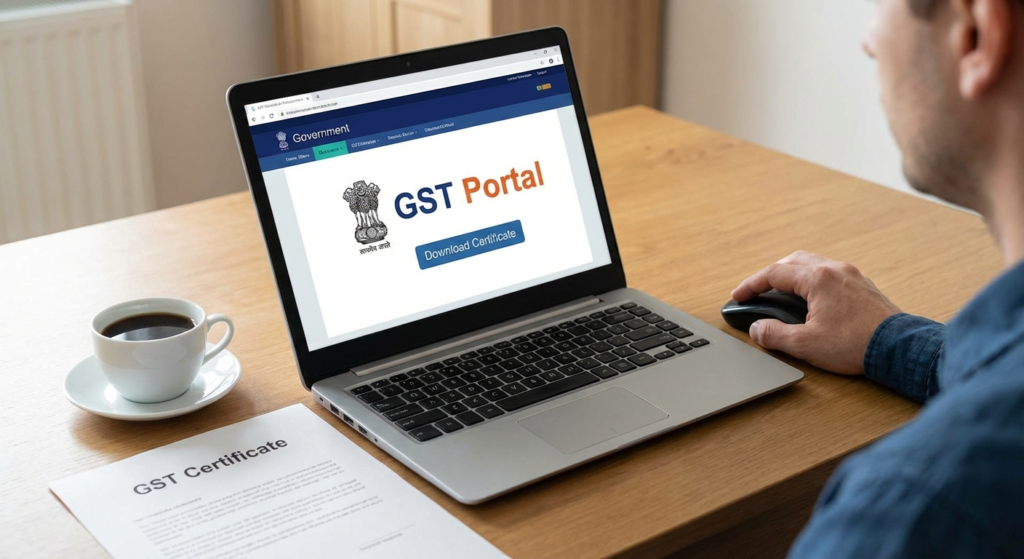
The GST Portal is the most direct resource. To find your code, follow these steps:
- Visit the official GST Portal (gst.gov.in).
- Navigate to the ‘Services’ tab.
- Select ‘User Services’ and then click on ‘Search HSN Code’.
- You can search by providing a brief description of the product or by entering the first few digits of the HSN code if you know them.
- The portal will display a list of related codes and their descriptions. Select the one that most accurately fits your product.
This method is highly recommended because it uses the most updated database provided by the GST Network (GSTN). When learning how to find GST HSN code for products, always prioritize official sources to avoid errors that could lead to tax discrepancies.
How to Find GST HSN Code for Products Using the CBIC Website
The Central Board of Indirect Taxes and Customs (CBIC) also maintains a comprehensive database. This is particularly useful for finding the applicable GST rates alongside the HSN codes. By visiting the CBIC official website, you can access the ‘GST Rates Ready Reckoner,’ which allows you to search for commodities and see their corresponding HSN chapters and tax percentages.
Why Learning How to Find GST HSN Code for Products is Crucial for Compliance
Accuracy in HSN classification is not just about filling out a form; it has real-world financial implications. If you classify a product under the wrong HSN code, you might apply an incorrect GST rate. For example, if a product should be taxed at 18% but you classify it under a code that attracts 12%, you will be liable to pay the difference along with interest and potential penalties.
Furthermore, the Input Tax Credit (ITC) mechanism relies heavily on the accuracy of these codes. If your supplier provides an incorrect HSN code on their invoice, it might trigger a mismatch in your GSTR-2B, potentially leading to the reversal of your ITC. Therefore, both buyers and sellers must know how to find GST HSN code for products to ensure a smooth flow of credits through the supply chain. This is especially important for growing businesses that are looking into various investment opportunities in India and want to maintain a clean tax record.
Error Prevention
Correct HSN codes prevent departmental audits and notices caused by tax rate mismatches.
Invoice Validity
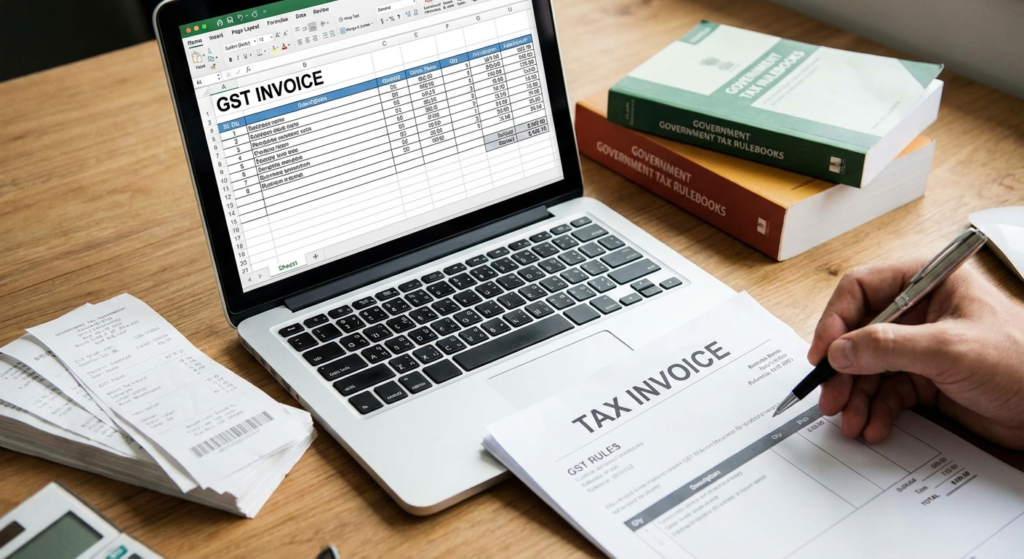
An invoice without the mandatory HSN digits (4 or 6) is considered legally invalid under GST law.
Smooth E-way Bills
HSN codes are mandatory for generating E-way bills. Incorrect codes can lead to the detention of goods during transit.
Common Mistakes to Avoid in HSN Classification
Even with tools available, errors occur. One common mistake is relying solely on the ‘common name’ of a product rather than its technical or functional description. For instance, a ‘decorative light’ might be classified differently than a ‘commercial LED panel,’ even though both are lighting fixtures.
Another mistake is using a 4-digit code when your turnover requires a 6-digit code. This is a frequent oversight for businesses that have recently crossed the ₹5 crore turnover mark. When you are researching how to find GST HSN code for products, always verify the current turnover rules to ensure you are providing the required depth of detail.
Lastly, many businesses fail to update their codes when the GST Council makes changes. The HSN list is not static; it is periodically updated to include new products or to clarify the classification of existing ones. Regularly checking the GST portal for updates is a best practice for every accountant and business owner.
Practical Tips for Accurate Classification
To ensure you are always on the right side of the law, consider these expert tips:
- Check the Material: Often, the material a product is made of (e.g., plastic vs. metal) determines its HSN chapter.
- Determine the Use: Is the product a finished good or a raw material? Its end-use can sometimes shift its classification.
- Consult the Manufacturer: If you are a trader, the easiest way is to check the purchase invoice from your manufacturer. They are usually the primary source for the correct HSN.
- Use Professional Help: If your product is unique or complex, seeking advice from a tax consultant can save you from future legal headaches.
Conclusion
Mastering how to find GST HSN code for products is an essential skill for any modern business owner in India. It streamlines the invoicing process, ensures the correct application of tax rates, and protects your business from unnecessary legal scrutiny. By using the official GST portal and CBIC resources, and staying mindful of your turnover-based requirements, you can navigate the GST landscape with confidence. Remember, in the world of taxation, precision is the best policy. Take the time to classify your products correctly today to ensure a hassle-free tomorrow for your business operations.
FAQs
HSN codes are mandatory for all businesses that meet the turnover thresholds set by the GST Council. Currently, businesses with turnover above ₹5 crores must use 6-digit codes, while those below use 4-digit codes for B2B transactions.
Using an incorrect HSN code can lead to the application of the wrong GST rate. This may result in penalties, interest on unpaid taxes, and the potential denial of Input Tax Credit (ITC) for your customers.
The best place to find an HSN code is the official GST Portal under ‘User Services’ > ‘Search HSN Code’, or by referring to the CBIC’s GST Rate Reckoner.
No, an 8-digit HSN code is generally required only for the import and export of goods. For domestic sales, 4 or 6 digits are sufficient depending on your annual turnover.
No, HSN is used for classifying goods, while SAC (Services Accounting Code) is used for classifying services. Both serve a similar purpose of categorization for tax purposes.