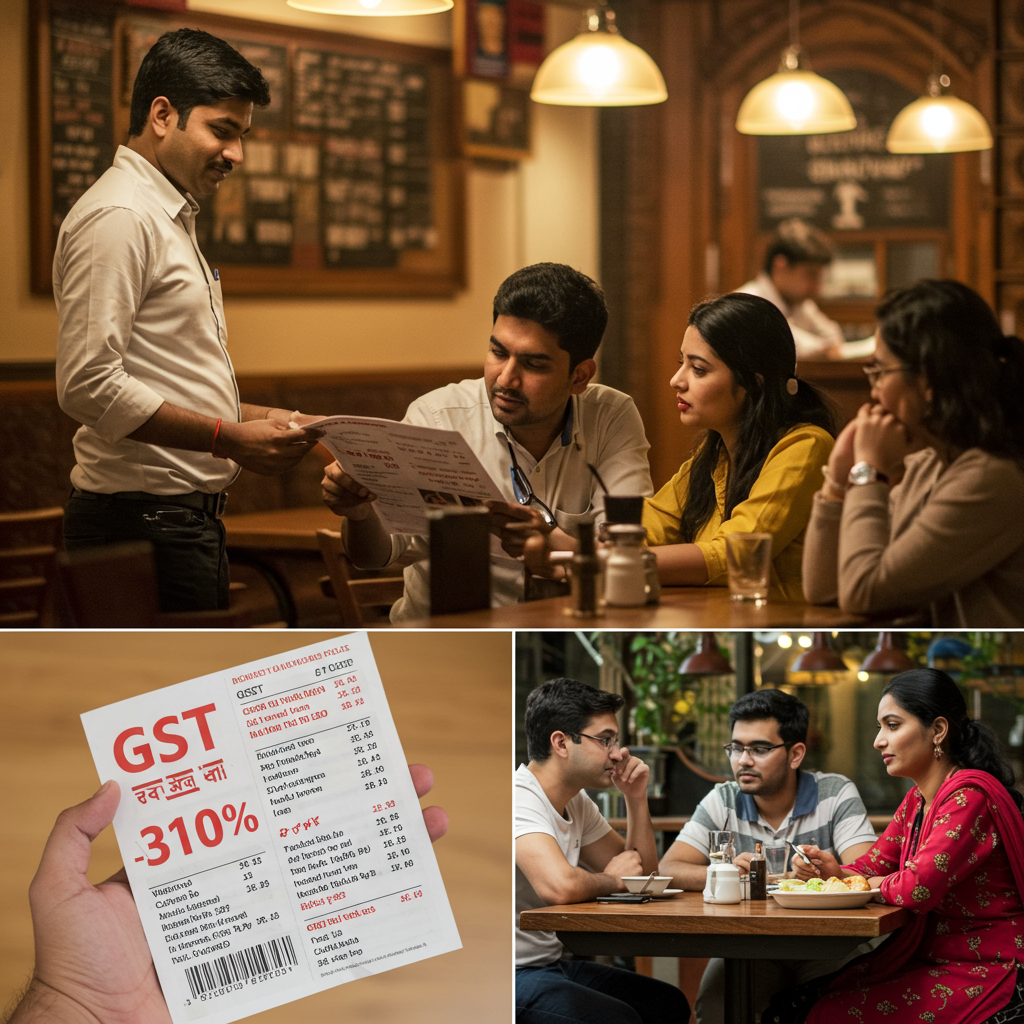
In the dynamic landscape of the Indian economy, Micro, Small, and Medium Enterprises (MSMEs) serve as the growth engine. However, for these businesses to thrive, navigating the regulatory framework is non-negotiable. Among these regulations, GST compliance for MSME stands out as a critical pillar for operational success. It is no longer just about adhering to the law; it is about establishing credibility, ensuring smooth cash flow, and unlocking growth potential.
Many business owners view tax compliance as a burden, but with the right approach, GST compliance for MSME can be transformed into a streamlined process that enhances business efficiency. Whether you are a manufacturer, a service provider, or a trader, understanding the nuances of the Goods and Services Tax (GST) is vital. From registration to filing returns and claiming Input Tax Credit (ITC), every step counts.
In this extensive guide, we will walk you through everything you need to know about GST compliance for MSME, ensuring you stay on the right side of the law while maximizing your business benefits.
Understanding the Importance of GST Compliance for MSME
The introduction of GST was a watershed moment for the Indian economy, unifying various indirect taxes into a single tax structure. For smaller businesses, this shift brought both opportunities and challenges. GST compliance for MSME is essential because it integrates these businesses into the formal economy. Compliant businesses find it easier to secure loans, bid for government tenders, and trade with larger corporations that require strict adherence to tax laws.
Moreover, non-compliance can lead to severe repercussions, including heavy penalties, suspension of GST registration, and a damaged reputation. Therefore, prioritizing GST compliance for MSME is a strategic move to ensure long-term sustainability.
Key Benefits of Being GST Compliant
When an MSME adheres to GST norms, it unlocks several advantages:
- Seamless Input Tax Credit (ITC): Regular filing ensures you can claim ITC, reducing the overall tax liability.
- Inter-state Trade: Registration allows businesses to sell goods across state borders without restrictions.
- Online Presence: E-commerce giants require GST registration, opening up digital markets for MSMEs.
Threshold Limits and Registration: The First Step in GST Compliance for MSME
The journey of GST compliance for MSME begins with determining whether you need to register. Not every small business falls under the GST net immediately. The government has defined specific turnover limits to exempt very small players, reducing their compliance burden.
Generally, businesses dealing in goods with an annual turnover exceeding ₹40 lakhs (₹20 lakhs for special category states) must register. For service providers, the limit is ₹20 lakhs (₹10 lakhs for special category states). Understanding these limits is the foundation of GST threshold limit rules.
Regular Scheme
Applicability: Any turnover above threshold.
ITC Benefit: Can claim Input Tax Credit.
Filing Frequency: Monthly or Quarterly returns.
Tax Rate: Standard rates (5%, 12%, 18%, 28%).
Composition Scheme
Applicability: Turnover up to ₹1.5 Crores.
ITC Benefit: Cannot claim ITC.
Filing Frequency: Quarterly statement, Annual return.
Tax Rate: Lower fixed rates (1%, 5%, 6%).
Documentation and Invoicing Rules
Once registered, the core of GST compliance for MSME revolves around proper documentation. The GST law mandates specific formats for tax invoices, bills of supply, and delivery challans. An invoice is the primary evidence for the receiver to claim ITC. If your invoices are flawed, your clients lose money, and you lose clients.
Mandatory Invoice Details
To ensure flawless GST compliance for MSME, every tax invoice must contain:
- Name, address, and GSTIN of the supplier.
- Invoice number (consecutive serial number) and date.
- Name, address, and GSTIN of the recipient (if registered).
- HSN/SAC code (based on turnover).
- Description of goods/services, quantity, and value.
- Rate of tax and amount of tax charged.
With the advent of digital transformation, E-invoicing has also become applicable to businesses with higher turnovers. While currently mandatory for larger enterprises, experts predict that as part of future fiscal policy changes, the threshold might be lowered to include more MSMEs. Keeping an eye on expectations and analysis regarding these policies is wise for forward-thinking business owners.
Filing Returns: The Heart of GST Compliance for MSME
Filing returns on time is perhaps the most critical aspect of GST compliance for MSME. The GST system relies on a self-assessment model where taxpayers declare their income and tax liability. Failure to file returns attracts late fees and interest, eating into your profit margins.
Types of Returns for MSMEs
Typically, a regular taxpayer must file:
- GSTR-1: Details of outward supplies (Sales). Filed monthly or quarterly (QRMP scheme).
- GSTR-3B: Summary return of self-declared tax liability and ITC. Filed monthly or quarterly.
- GSTR-9: Annual Return consolidating all monthly/quarterly returns.
For those under the Composition Scheme, the primary requirement is filing Form CMP-08 quarterly and GSTR-4 annually. Choosing the right scheme significantly impacts the workload related to GST compliance for MSME.
Input Tax Credit (ITC): Maximizing Cash Flow
One of the biggest incentives for maintaining GST compliance for MSME is the Input Tax Credit mechanism. ITC allows you to reduce the tax you have already paid on inputs (purchases) from the tax you have to pay on output (sales). This prevents the cascading effect of taxes.
However, claiming ITC comes with strict conditions:
- You must possess a valid tax invoice.
- The goods or services must have been received.
- The supplier must have paid the tax to the government.
- The supplier must have filed their returns (GSTR-1), and the details must appear in your GSTR-2B.
Reconciling your purchase data with GSTR-2B is a crucial monthly activity. If your supplier is non-compliant, you cannot claim ITC, which directly affects your working capital. This highlights why your entire supply chain needs to adhere to GST compliance for MSME.
Common Challenges in GST Compliance for MSME
Despite the digital nature of GST, MSMEs often face hurdles. Acknowledging these challenges is the first step toward overcoming them.
Technology Adoption
GST is a completely online tax system. Many traditional MSMEs struggle with the technical requirements of the GST portal. Investing in simple accounting software that automates return filing can be a game-changer for GST compliance for MSME.
Liquidity Issues
GST must be paid to the government at the time of filing returns, often before the business collects payments from customers. This time lag can create cash flow crunches. Smart financial planning is required to manage these obligations without disrupting operations.
Late Fee Alert
Failing to file GSTR-3B or GSTR-1 by the due date attracts a late fee. While the government has capped fees for nil returns, regular delays can accumulate into substantial amounts.
Interest on Delay
Beyond late fees, interest at 18% per annum is levied on the net tax liability if the tax is not paid within the timeline. Prompt payment is cheaper than delayed payment.
The Role of E-Way Bills
For MSMEs involved in the movement of goods, the E-Way Bill is a crucial component of GST compliance for MSME. An E-Way Bill must be generated before the commencement of movement of goods worth more than ₹50,000. It ensures that goods are being transported legally and taxes have been accounted for.
Caught transporting goods without an E-Way Bill? The authorities can seize your vehicle and goods, and impose a penalty equivalent to 200% of the tax payable. This makes the E-Way Bill system a high-priority compliance area.
Strategic Tips to Ensure 100% Compliance
Achieving perfect GST compliance for MSME is not impossible. Here is a checklist to keep your business safe:
- Digitize Records: Move away from manual ledgers. Use cloud-based accounting software.
- Verify Vendors: Before doing business, check the GST compliance rating of your vendors.
- Hire Experts: If the rules seem overwhelming, hiring a GST practitioner or chartered accountant is a worthy investment.
- Stay Updated: The GST Council frequently updates rates and rules. Follow authoritative sources like the CBIC website for official notifications.
- Conduct Internal Audits: Periodically review your filings against your books of accounts to catch errors before the taxman does.
Conclusion
In conclusion, GST compliance for MSME is a comprehensive ecosystem that demands attention to detail, punctuality, and digital literacy. While it may seem burdensome initially, the long-term benefits of being a compliant entity—such as access to credit, market expansion, and peace of mind—far outweigh the efforts. As the government continues to refine the system through the Ministry of MSME and GST Council, businesses that adapt quickly will lead the market.
By following the steps outlined in this guide, from registration to reconciliation, you can ensure that your business not only survives but thrives in the GST era. Remember, compliance is not just about avoiding penalties; it is about building a robust, transparent, and scalable business.