
It’s a feeling every business owner knows. That cold drop in your stomach when you’re reviewing your books and find it: a mistake. A GST miscalculation from three months ago. An invoice where you charged the wrong rate. Your mind immediately jumps to notices, audits, and penalties.
But what if you could fix it before anyone else even noticed? What if you could turn that moment of panic into an act of proactive, responsible compliance that actually saves you money and stress?
You can. It’s called Form DRC-03.
Forget thinking of it as just another compliance headache. In our experience advising hundreds of businesses, Form DRC-03 is one of the most powerful—and underutilized—tools in the entire GST framework. It’s your direct line to self-correcting errors, demonstrating good faith, and often, completely avoiding crippling penalties. This isn’t just about filling out a form; it’s about a strategic shift in how you manage your tax health.
In this deep dive, we’ll show you exactly how to master Form DRC-03 in 2026. You’re about to learn:
- The real-world scenarios where DRC-03 is your best friend.
- The massive financial difference between paying voluntarily vs. waiting for a notice.
- A foolproof, step-by-step guide to filing on the GST portal.
- The common, costly mistakes we see businesses make every day—and how to sidestep them.
What is Form DRC-03, Really? (It’s Not a Penalty Form)
At its most basic level, Form DRC-03 is an intimation slip you file on the official GST Portal to inform the tax department that you’ve made a voluntary payment. This payment could be for tax, interest, or a penalty you’ve self-assessed.
But here’s the thing: its true purpose is strategic. Think of it like this: you accidentally scratch someone’s car in a parking lot. You have two choices. You can drive away and hope they don’t have cameras, or you can leave a note with your number to fix the damage. DRC-03 is the note. It’s an act of integrity that the system is designed to reward.
The legal backing for this comes from the CGST Act, 2017. Specifically, it’s tied to Sections 73(5) and 74(5), which deal with making payments before a Show Cause Notice (SCN) is even drafted. This proactive stance is what separates savvy business owners from those who are always reacting to tax problems.
By using DRC-03 proactively, you’re not admitting guilt in a criminal sense; you’re taking ownership of a financial discrepancy. The GST framework, according to its own guidelines, views this as a positive act of compliance.
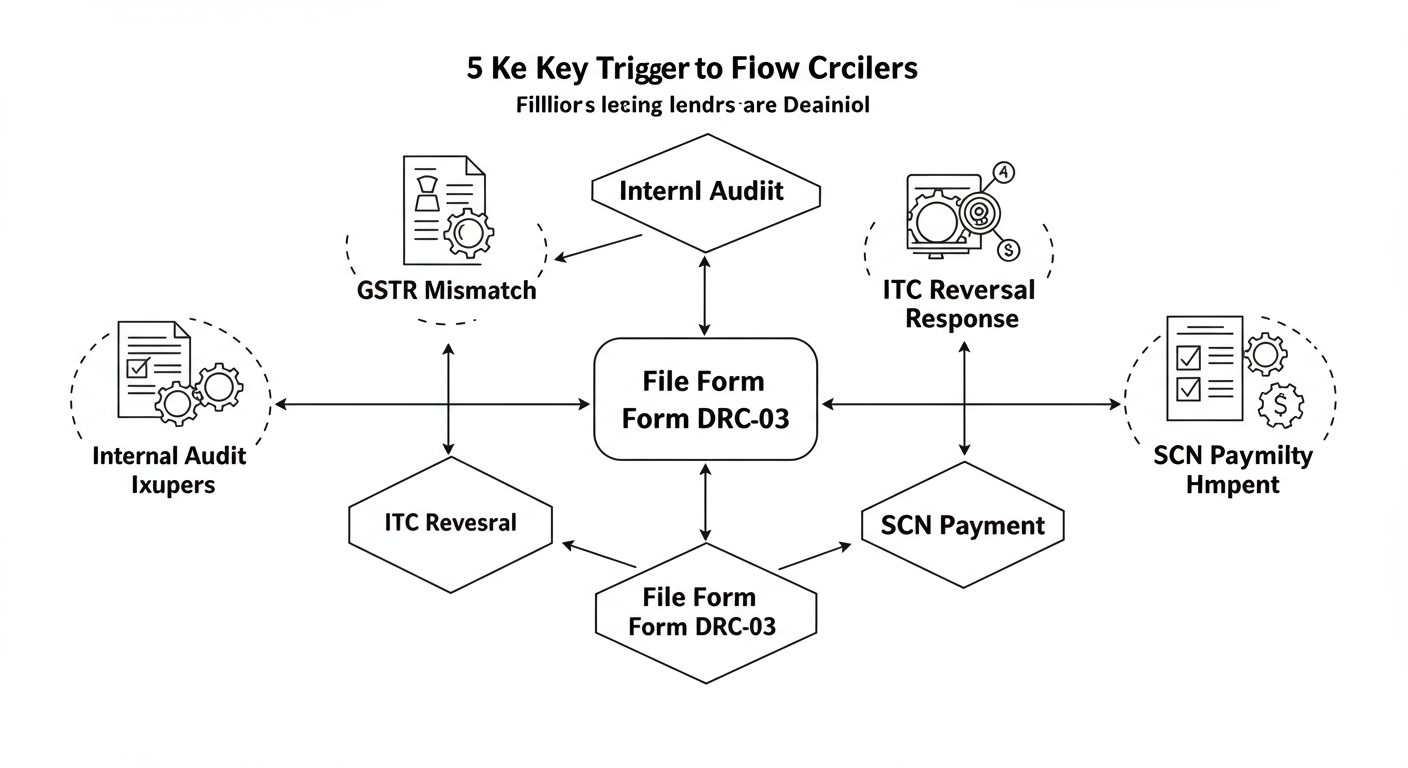
When to Use Form DRC-03: The 5 Most Common Scenarios
Knowing when to pull this tool out of your toolkit is critical. It’s not for your regular monthly GSTR-3B payments. It’s for specific, irregular situations. Based on real-world client cases, here are the top five triggers for filing a DRC-03.
- Post-Audit Discoveries: You run an internal audit and your accountant finds that for two months, you charged 12% GST on a product that should have been 18%. Don’t wait. Use DRC-03 to pay that 6% difference plus the calculated interest. Problem solved.
- GSTR-1 vs. GSTR-3B Mismatches: This is a huge red flag for tax authorities. If your GSTR-1 (sales declarations) shows a liability of ₹5,00,000 but you only paid tax on ₹4,50,000 in your GSTR-3B (summary return), you must pay the ₹50,000 shortfall via DRC-03 immediately.
- Incorrect ITC Claims: You realize you’ve claimed Input Tax Credit (ITC) on an invoice for a company car, which is a blocked credit under Section 17(5). You must reverse this wrongly claimed credit and pay it back to the government, along with interest, using DRC-03.
- Responding to a Departmental Nudge (DRC-01A): Sometimes, before sending a formal SCN, an officer will send an intimation in Form DRC-01A pointing out a discrepancy. If you agree with their calculation, paying via DRC-03 is the quickest way to close the inquiry.
- After Receiving a Show Cause Notice (SCN): The ship hasn’t completely sailed even if you get an SCN. Paying the demanded tax and interest via DRC-03 within 30 days of the notice can still dramatically reduce or even waive the proposed penalty.
Voluntary vs. Forced Payment: A Tale of Two Penalties
The timing of your DRC-03 payment is everything. It’s the difference between a minor course correction and a major financial hit. The law makes a clear distinction between paying before a notice and paying after. Let’s break down the staggering difference.
| Scenario | Voluntary Payment (Before SCN) | Payment After SCN |
|---|---|---|
| Legal Section | Sec 73(5) (Non-Fraud) / Sec 74(5) (Fraud) | Sec 73(8) (Non-Fraud) / Sec 74(8) (Fraud) |
| Non-Fraud Penalty | ZERO. If you pay tax + interest, no penalty is levied. The matter is closed. | Pay within 30 days: ZERO penalty. Pay after 30 days: 10% of tax or ₹10,000 (whichever is higher). |
| Fraud Case Penalty | Pay tax + interest + 15% penalty. Proceedings can be concluded. | Pay tax + interest + 25% penalty (if paid within 30 days). This can go up to 100% if the case proceeds. |
| Strategic Advantage | Maximum cost savings. Demonstrates good faith. Avoids all formal proceedings. | A final opportunity to mitigate damage and reduce penalties significantly. |
💡 Pro Tip
Always calculate interest accurately. According to Section 50 of the CGST Act, interest is mandatory on delayed tax payments. The current rate is 18% per annum. Use an online GST interest calculator and keep a screenshot of your calculation. Underpaying interest means your liability isn’t fully settled.
How to File Form DRC-03: A Step-by-Step Guide for 2026
Filing on the GST portal is straightforward if you follow a clear process. Let’s walk through it, step by step.
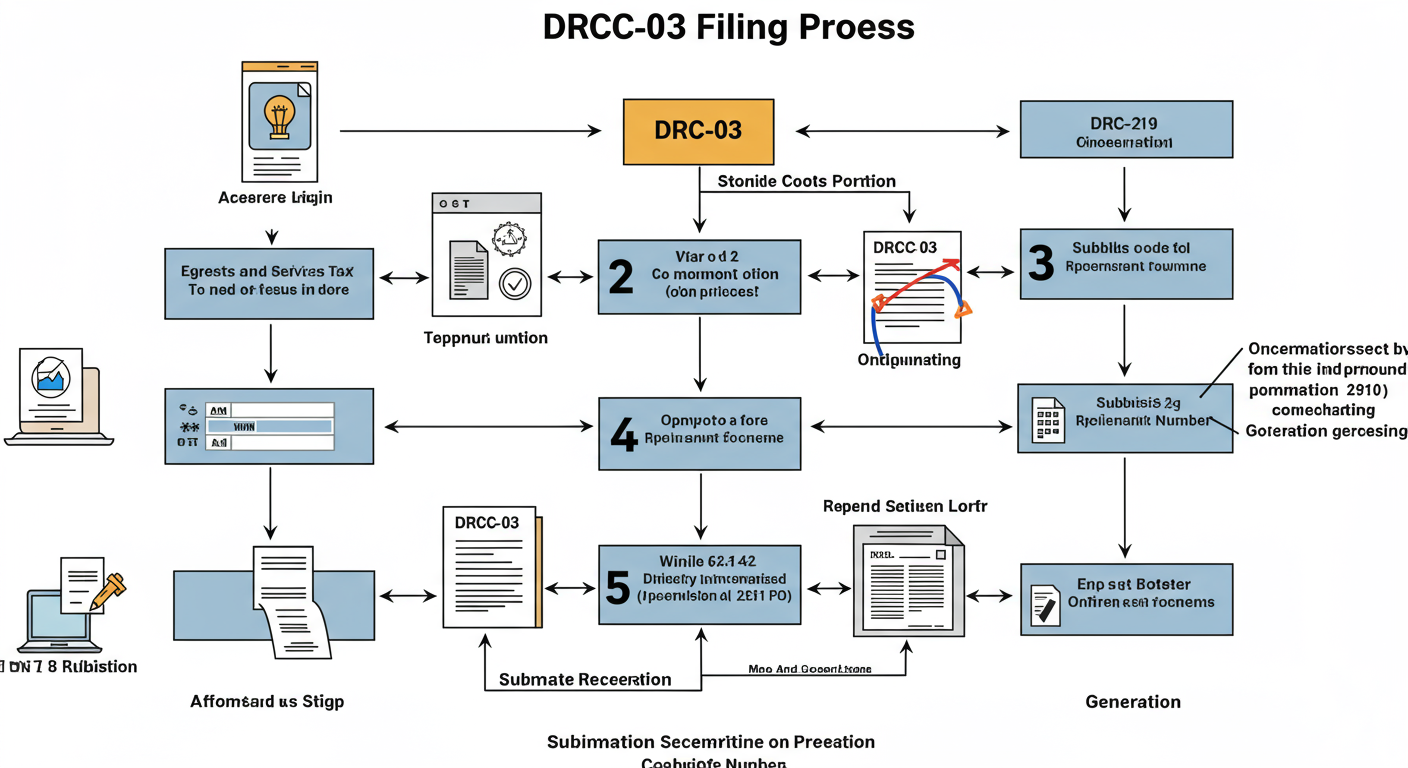
- Login and Navigate: Log in to the GST Portal. Go to Services > User Services > My Applications.
- Select Application Type: From the dropdown, choose ‘Intimation of Voluntary Payment – DRC-03’ and click ‘NEW APPLICATION’.
- Choose the Cause of Payment: This is a critical choice.
- Voluntary: For self-discovered errors (audits, ITC reversals, etc.).
- SCN: If you’ve received a Show Cause Notice. You’ll need to enter the SCN reference number.
- Intimation of tax ascertained by proper officer: For responding to a DRC-01A.
- Enter Period and Details: Select the Financial Year and the tax period (From and To dates) the error relates to. Then, in the table, carefully enter the tax amounts under IGST, CGST, SGST/UTGST, and Cess. Below that, enter the corresponding interest and penalty amounts you’ve calculated.
- Proceed to Pay: Click the ‘PROCEED TO PAY’ button. You’ll see a summary of your liabilities and the available balances in your Electronic Cash and Credit Ledgers.
⚠️ Watch Out
A common and costly mistake is paying the tax via a simple challan (PMT-06) but forgetting to file Form DRC-03. The payment alone doesn’t inform the department why you paid. Without the DRC-03 intimation, the payment just sits in your cash ledger, and the underlying issue remains open in their records. Stamp Duty on Transfer of Shares: The Definitive 2026 Guide
- Set Off Liability: Here’s the crucial rule: You can use your Input Tax Credit (ITC) from the Credit Ledger to pay the tax portion only. Interest and penalties must be paid from your Electronic Cash Ledger. If your cash balance is low, you’ll need to create a challan to add funds first.
- Get Payment Reference Number (PRN): After setting off the liability, the portal will generate a PRN. This confirms the payment part is done.
- Submit the Application: You’ll be redirected back to the DRC-03 form. You can (and should) add a brief explanation in the ‘Reasons’ box. Preview the form, then submit using your DSC or EVC. An Application Reference Number (ARN) will be generated. Your task is now complete.
🎯 Key Takeaway
Form DRC-03 is your best defense against GST penalties. Using it proactively before a notice is issued allows you to pay tax and interest with a zero penalty in non-fraud cases. This simple act of self-reporting saves money, time, and your peace of mind. Mastering the CMP-08 Filing Due Date: A Comprehensive Guide for GST Composition Dealers
The Financial Impact: DRC-03 vs. Ignoring the Problem
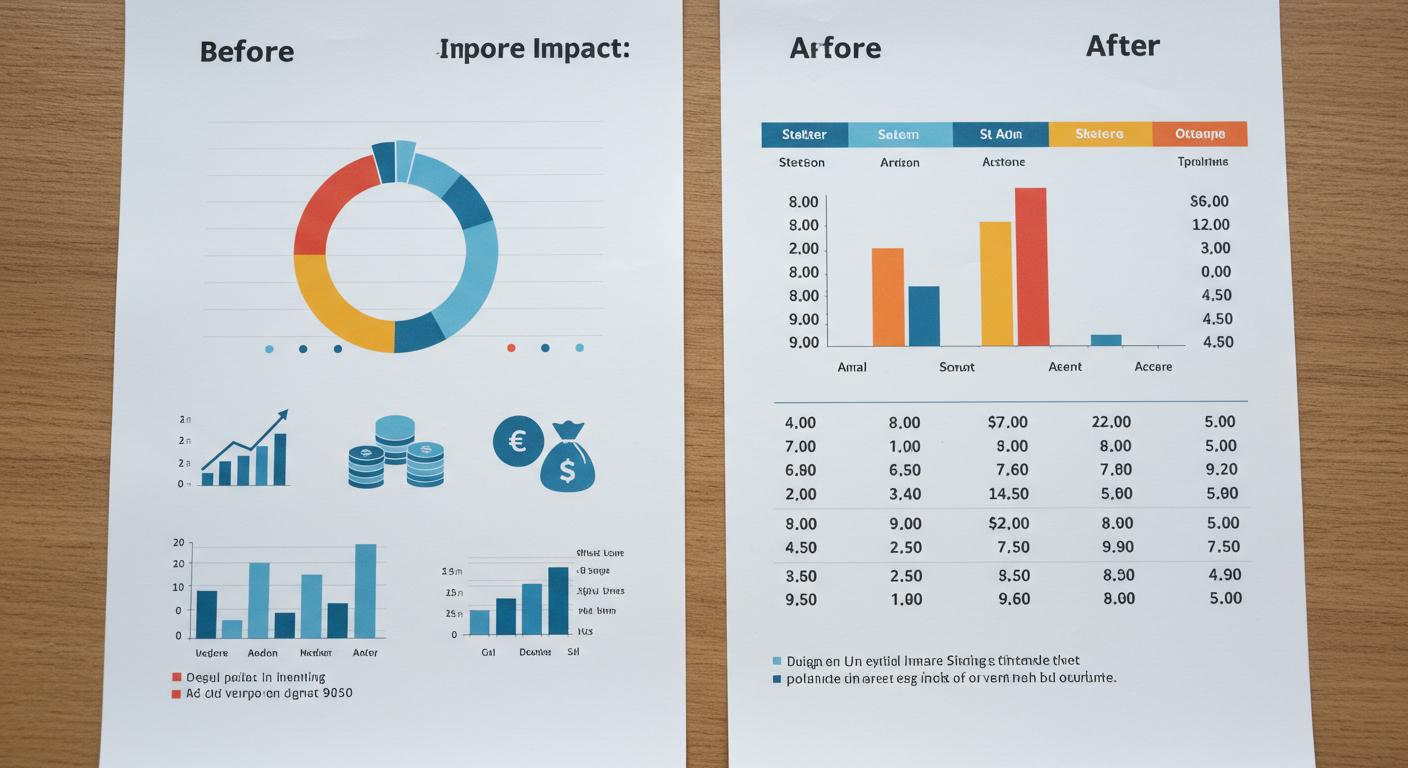
Let’s make this real. Imagine you discover a tax shortfall of ₹1,00,000 from a year ago. Here’s how the situation could play out, demonstrating the immense value of proactive compliance.
| Cost Component | Scenario A: You File DRC-03 Voluntarily | Scenario B: You Wait & Get Audited (Non-Fraud) |
|---|---|---|
| Tax Shortfall | ₹1,00,000 | ₹1,00,000 |
| Interest (Approx. 18% for 1 year) | ₹18,000 | ₹18,000 |
| Penalty | ₹0 (Paid before SCN) | ₹10,000 (10% of tax, as it’s > ₹10k) |
| Consultant/Legal Fees | Minimal / ₹0 | ₹25,000+ (For handling notices & proceedings) |
| Total Outflow | ₹1,18,000 | ₹1,53,000+ |
| Your Savings | You save at least ₹35,000 and countless hours of stress. | |
💡 Pro Tip
When you file DRC-03, use the ‘Reasons’ text box to your advantage. Don’t leave it blank. Write a clear, concise sentence like, “Voluntary payment for tax shortfall in FY 2024-25 due to an inadvertent classification error, now corrected.” This provides immediate context for the tax officer reviewing your case and reinforces your good faith.
⚠️ Watch Out
Never, ever try to pay interest or penalties using your Input Tax Credit (ITC) balance. The GST portal is hard-coded to prevent this, but some businesses try to find workarounds. It’s a violation of the law. Interest and penalties must always be paid in cash via the Electronic Cash Ledger. Getting this wrong will invalidate your payment.
❓ Frequently Asked Questions
What happens after I file Form DRC-03?
Once you file, a tax officer reviews your submission. If they find the payment satisfactory, they will issue an acknowledgment in Form DRC-04. If your payment was to settle a notice, the officer will issue an order in Form DRC-05, formally concluding the proceedings. This is the closure you’re looking for.
Is filing DRC-03 an admission of fraud?
No, not at all. It’s an admission of a tax liability, not intent to defraud. In fact, filing voluntarily is the strongest evidence against fraudulent intent. It’s seen as a corrective and responsible action, which is why the law rewards it with penalty waivers.
Can I file DRC-03 without a Show Cause Notice (SCN)?
Yes, and you absolutely should! The most beneficial way to use Form DRC-03 is for making voluntary payments before any notice is issued. This gives you access to the zero-penalty benefit in non-fraud cases.
What if I can’t pay the full amount at once?
Form DRC-03 is for making a payment, not for requesting installments. If you cannot pay the full amount, you should still pay as much as you can. However, interest will continue to accrue on the unpaid portion. For installment options, you would need to explore other provisions under GST law (like Form DRC-20), which is a more complex process and typically only available after a demand is confirmed. It’s always best to settle via DRC-03 if possible.
Do I need a professional to file DRC-03?
While the process itself is manageable for a savvy business owner, consulting a tax professional is highly recommended, especially if the amount is significant or the situation is complex. An expert can ensure your interest calculation is precise and that you’ve chosen the correct cause of payment, which is crucial for a smooth resolution. According to standards from bodies like the Institute of Chartered Accountants of India (ICAI), proper guidance is key to compliance.
Conclusion: From Reactive Fear to Proactive Control
Look, tax compliance can be intimidating. But tools like Form DRC-03 are designed to empower you, not punish you. By embracing this mechanism, you shift from a place of reactive fear—dreading a notice—to one of proactive control.
You take ownership of your financial records, correct mistakes with integrity, and, most importantly, protect your business from the severe financial and operational drain of penalties and prolonged disputes. The next time you uncover a GST error, don’t panic. See it as an opportunity to use the system as it was intended.
Your next step? Review your GST filings from the last financial year. If you spot any potential discrepancies in tax paid or ITC claimed, you now have the exact playbook to resolve it cleanly and efficiently. Take control of your compliance today.