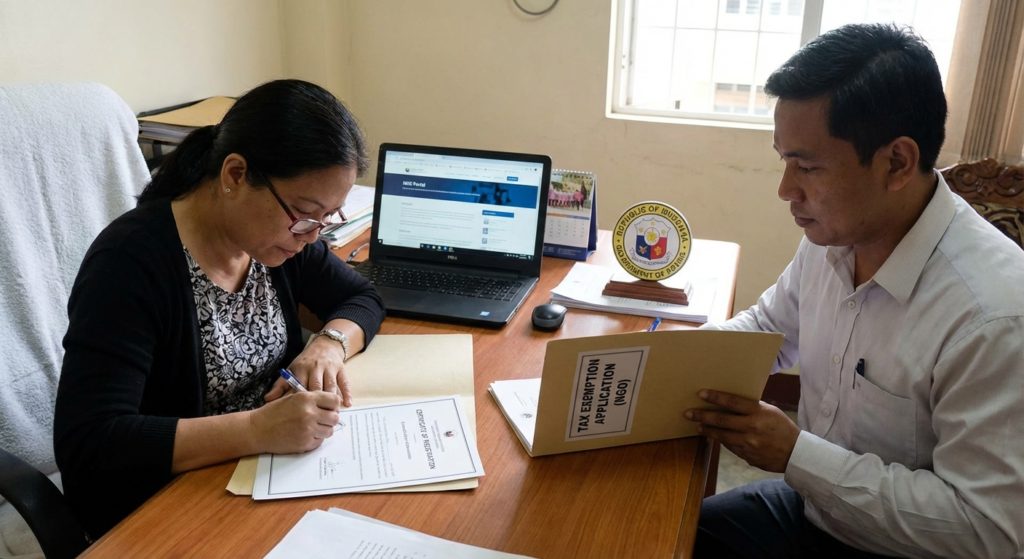
Introduction to Foreign Funding for Non-Profits
For non-governmental organizations (NGOs) in India, scaling impact often requires looking beyond domestic donations. Whether it is a trust, society, or a Section 8 company, accessing international grants and philanthropic funds can be a game-changer. However, receiving foreign funds is strictly regulated by the Ministry of Home Affairs (MHA) under the Foreign Contribution (Regulation) Act, 2010. Understanding the nuances of FCRA registration for NGO eligibility is the first and most critical step for any organization aiming to go global with its social mission.
The FCRA framework ensures that foreign contributions do not adversely affect the internal security or sovereignty of India. In recent years, the regulations have become more stringent, requiring absolute transparency and meticulous record-keeping. If your organization is planning to apply, you must navigate a complex landscape of legal requirements, financial audits, and administrative hurdles. This guide provides a comprehensive roadmap to help you understand the eligibility criteria, the application process, and the ongoing compliance needs to maintain your status.
Understanding the Core Criteria for FCRA Registration for NGO Eligibility
The Ministry of Home Affairs has set high benchmarks for organizations seeking to register under FCRA. Not every non-profit can immediately start receiving foreign funds. The primary objective is to verify that the organization is genuine, active, and has a proven track record of social service. To meet the FCRA registration for NGO eligibility standards, an organization must be registered under an Indian statute, such as the Societies Registration Act, 1860, the Indian Trusts Act, 1882, or as a Section 8 Company under the Companies Act, 2013.
Beyond legal structure, the organization must have a defined cultural, economic, educational, religious, or social program. It is also essential that the organization is not prohibited from receiving foreign contributions under Section 3 of the Act, which excludes political parties, journalists, and government servants. To ensure your foundational setup is correct, you might want to review the requirements for NGO Registration before proceeding with the FCRA application.
Registration Types
Proper Registration: Valid for 5 years, granted to established NGOs with a 3-year track record and significant spending on social goals.
Prior Permission
Granted for a specific project and a specific foreign donor. Ideal for newly formed NGOs that haven’t completed 3 years yet.
Renewal Requirement
FCRA licenses are not permanent. Organizations must apply for renewal six months before the expiry of the 5-year validity period.
The Three-Year Operational Rule for FCRA Registration for NGO Eligibility
One of the most significant hurdles for young organizations is the operational history requirement. To qualify for a full (normal) registration, an NGO must have been in existence for at least three years. During these three years, the organization must have spent a minimum of INR 15 Lakhs on its core activities (excluding administrative expenses). This spending must be reflected in the audited financial statements of the preceding three financial years.
If an NGO is newly established and cannot meet this 3-year spending threshold but has a specific foreign donor ready to provide funds for a specific project, it can apply for ‘Prior Permission’. This is a more restricted route but allows the organization to build the necessary track record for a full registration later. For organizations looking to understand the financial implications and professional fees involved in these filings, consulting a pricing guide for compliance services can provide better clarity.
Documentation Required for FCRA Registration for NGO Eligibility
The application process is entirely online via the FCRA portal, but the success of the application depends heavily on the quality of documentation provided. The MHA conducts a thorough background check on the office bearers and the organization’s activities. Any discrepancy in the documents can lead to a summary rejection of the application. For official guidelines, you can refer to the Ministry of Home Affairs FCRA Portal for the latest notifications.
Key documents include the registration certificate of the NGO, the Memorandum of Association (MoA) or Trust Deed, and the last three years’ audited balance sheets. Additionally, a unique ID from the NGO Darpan portal (managed by NITI Aayog) is mandatory. The MHA also requires an affidavit from each office bearer stating that they have not been involved in any activities related to religious conversion or prosecuted for any offense under the law.
Financial Documents
- Audited Statements (3 Years)
- Income Tax Returns (ITR)
- Activity Reports
Organizational Identity
- NGO Darpan ID
- PAN Card of NGO
- Trust Deed/Bye-laws
Personal KYC
- Aadhar of Office Bearers
- Passport/Voter ID
- Affidavits (Rule 6)
Step-by-Step Guide to FCRA Registration for NGO Eligibility and Application
Once you are confident that your organization meets the FCRA registration for NGO eligibility criteria, you can begin the online application process. The application is filed using Form FC-3A (for registration) or Form FC-3B (for prior permission). The process is digital, but it requires careful attention to detail.
- Portal Registration: Create an account on the official FCRA online portal.
- Form Filling: Enter the organization’s details, including the names and Aadhaar numbers of all office bearers and directors.
- Bank Account Opening: According to the 2020 amendment, all NGOs must open an “FCRA Account” in the State Bank of India (SBI), New Delhi Main Branch (NDMB). No foreign funds can be received in any other bank account.
- Uploading Documents: Upload scanned copies of the MoA, Trust Deed, financial statements, and the Darpan ID.
- Fee Payment: Pay the prescribed application fee online. As of the current regulations, the fee for registration is INR 10,000, while prior permission is INR 5,000.
- Verification: After submission, the application is forwarded to the Intelligence Bureau (IB) for field verification. They will visit the NGO’s registered office and verify the activities claimed in the application.
The entire process can take anywhere from 3 to 6 months. It is vital to ensure that the physical office is operational and that all records are available for inspection when the authorities visit. For more information on navigating Indian regulatory frameworks for foreign entities or non-residents, resources like Invest India offer valuable insights into the broader investment and compliance environment.
Maintaining Long-term FCRA Registration for NGO Eligibility
Securing the registration is only half the battle. Maintaining FCRA registration for NGO eligibility requires strict adherence to post-registration compliances. One of the most critical rules introduced in 2020 is the cap on administrative expenses. An NGO cannot spend more than 20% of the foreign contribution received on administrative tasks like salaries, rent, and electricity. The bulk of the funds must be utilized for the stated social objectives.
Furthermore, NGOs must file annual returns (Form FC-4) within nine months of the end of the financial year. Even if no foreign contribution is received during the year, a ‘NIL’ return must be filed. Failure to file these returns can lead to heavy penalties or even the cancellation of the FCRA license. Transparency is the cornerstone of FCRA compliance; the organization must maintain separate books of accounts for foreign funds and domestic funds to avoid commingling.
“Transparency in the utilization of foreign funds is not just a legal requirement but a moral obligation for NGOs to maintain the trust of both the government and the international donor community.”
Common Reasons for Application Rejection
Despite meeting the basic FCRA registration for NGO eligibility requirements, many applications are rejected. Understanding these pitfalls can help you avoid them. The most common reason is the lack of a clear ‘Activity Report’. If the MHA feels that the organization’s activities are not substantial or do not align with its stated objectives, the application may be denied. Additionally, if any office bearer has a criminal record or is associated with organizations banned under the Unlawful Activities (Prevention) Act, the registration will be refused.
Another frequent issue is the discrepancy between the data provided on the NGO Darpan portal and the FCRA application. Ensure that the list of board members is updated and consistent across all government platforms. Incomplete financial records or the failure to explain the source of domestic funds during the initial three-year period can also raise red flags during the IB verification process.
Conclusion
Obtaining an FCRA registration is a significant milestone for any NGO, opening doors to global partnerships and substantial funding. However, the path to FCRA registration for NGO eligibility is paved with rigorous checks and balances. By ensuring your organization has a solid 3-year track record, maintaining meticulous financial records, and strictly following the SBI bank account mandate, you can successfully navigate the application process. Remember that compliance does not end with registration; it is a continuous journey of transparency and accountability. With the right preparation and professional guidance, your NGO can become a powerful vehicle for social change, supported by resources from across the globe.
FAQs
To be eligible for a normal FCRA registration, an NGO must have spent at least INR 15 Lakhs on its social activities over the last three financial years. This excludes administrative overheads.
A new NGO that has not completed three years can apply for ‘Prior Permission’. This allows them to receive a specific amount from a specific donor for a particular project.
Yes, as per the 2020 amendment, every NGO registered under FCRA must open a dedicated ‘FCRA Account’ at the SBI New Delhi Main Branch (NDMB) to receive foreign contributions.
An FCRA registration is valid for 5 years. The organization must apply for renewal at least six months before the expiry date to continue receiving foreign funds.
Yes, but there is a limit. Only 20% of the total foreign contribution received in a financial year can be used for administrative expenses.
The NGO Darpan ID is a mandatory requirement for FCRA registration. it links the organization’s data across various government departments for better monitoring and transparency.