Imagine this scenario: Two co-founders launch a tech startup. Business is booming. But six months in, they hit a wall. One wants to pivot into fintech; the other insists they stay in e-commerce. They check their registration documents to see who has the final say.
Silence. They used a generic template and didn’t understand what they were signing.
This happens more often than you’d think. The confusion usually stems from two acronyms that sound identical but function completely differently: the Memorandum of Association (MOA) and the Articles of Association (AOA).
If you treat these as just “paperwork,” you’re setting your business up for a governance nightmare. In 2026, where corporate compliance is stricter than ever, knowing the difference between MOA and AOA isn’t just for law students—it’s a survival skill for entrepreneurs.
Think of the MOA as your company’s Constitution (the supreme law) and the AOA as the Rulebook (how you play the game). In this guide, we’re going to strip away the legalese and show you exactly how these documents control your business destiny.
🎯 Key Takeaway
The MOA defines the company’s external scope and reason for existence (the “What”), while the AOA governs internal management and rules (the “How”). The MOA is supreme; if the AOA contradicts it, the MOA wins every time.
The Memorandum of Association (MOA): The Supreme Charter
Let’s start with the heavy hitter. The Memorandum of Association is the root of your company’s existence. Without it, you don’t have a company. Period.
In our experience consulting with new incorporations, founders often overlook the gravity of the MOA. It is a public document that tells the world—investors, creditors, and the government—exactly what your company is allowed to do. It sets the boundary lines.
If your MOA says you are a bakery, you cannot suddenly start manufacturing cars. That would be considered Ultra Vires (beyond your powers), and any contract you sign in that new field would be legally void.

The 6 Non-Negotiable Clauses of an MOA
Every MOA is built on six pillars. Get these wrong, and you’ll face expensive amendments later.
- Name Clause: Your entity’s legal identity. It must be unique and not infringe on trademarks.
- Registered Office Clause: This determines your jurisdiction (state or province). It dictates which Registrar of Companies (ROC) you answer to.
- Object Clause: This is the big one. It defines the purpose of the company. In 2026, smart founders draft this broadly to allow for future pivots without needing government approval.
- Liability Clause: This protects your personal assets. It states that members’ liability is limited to the unpaid amount on their shares.
- Capital Clause: The maximum capital you can raise via shares. You can’t issue more shares than this limit without a formal amendment.
- Subscription Clause: The declaration by the initial shareholders (subscribers) that they agree to form the company and take the stated number of shares.
💡 Pro Tip
When drafting your Object Clause, don’t just list what you do today. Include ancillary activities. If you sell software, include “consulting,” “training,” and “hardware sales” to future-proof your business against strict regulatory limits.
The Articles of Association (AOA): The Internal Rulebook
If the MOA is the “Constitution,” the AOA is the “Bylaws.”
The Articles of Association focus entirely on internal management. They don’t care about the outside world; they care about the relationship between the company and its members, and the members between themselves.
This document is your operational manual. It answers the nitty-gritty questions:
- How do we hire or fire a director?
- What happens if a shareholder dies?
- How do we pay dividends?
- What are the voting rights at a general meeting?
While the MOA is rigid, the AOA is flexible. It can be altered relatively easily to suit the changing needs of the management team.
7 Key Differences Between MOA and AOA
To truly master corporate governance, you need to understand where the lines are drawn. Based on current corporate laws and best practices, here is the definitive breakdown of the difference between MOA and AOA.
| Feature | Memorandum of Association (MOA) | Articles of Association (AOA) |
|---|---|---|
| Nature | The Charter or Constitution of the company. | The internal regulations and bye-laws. |
| Scope | Defines the company’s relationship with the outside world (Public). | Defines the relationship between the company and its members (Private/Internal). |
| Supremacy | Supreme document. Overrules the AOA. | Subordinate document. Must align with the MOA. |
| Status of Acts | Acts beyond the MOA are Ultra Vires and void. They cannot be ratified. | Acts beyond the AOA (but within MOA) can be ratified by shareholders. |
| Alteration | Difficult. Often requires Government/Tribunal approval. | Easier. Usually requires just a Special Resolution. |
| Retrospective Effect | Cannot be altered retrospectively. | Can be altered with retrospective effect (in specific cases). |
| Necessity | Mandatory for every company type. | Public companies can adopt statutory standard articles (Table F) instead of drafting new ones. |
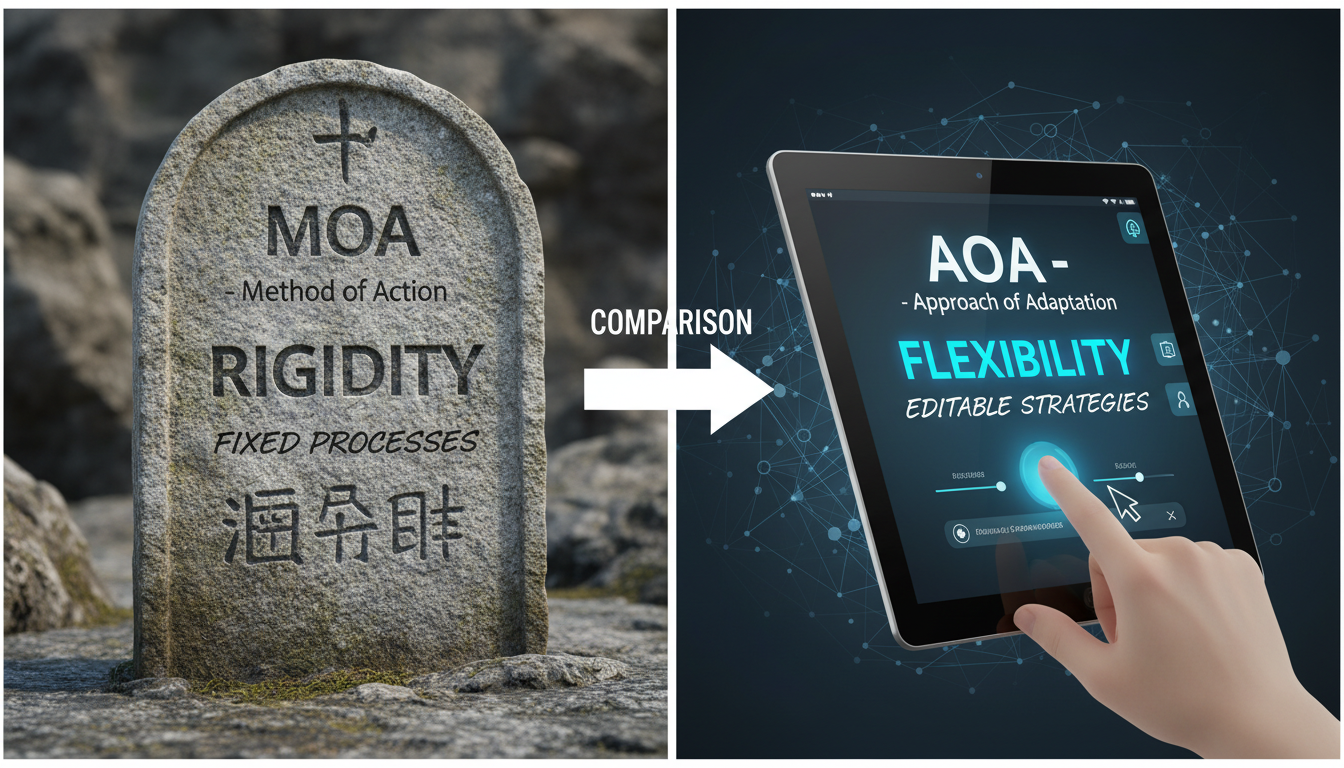
1. The Hierarchy of Power
This is the most critical distinction. The MOA is the boss. If your AOA says “Directors can borrow unlimited money,” but your MOA says “The company can only borrow up to $1 million,” the MOA wins. The directors cannot borrow more than $1 million. Any lender who didn’t check the MOA loses their money.
2. The “Ultra Vires” Trap
We mentioned this earlier, but it bears repeating. If you act outside the AOA, you can fix it. The shareholders can vote and say, “Okay, we forgive this breach.”
But if you act outside the MOA? You’re out of luck. The act is legally dead. No amount of voting can bring it back to life. This is why the doctrine of Ultra Vires is so feared in corporate law.
⚠️ Watch Out
Never copy-paste an AOA from another company. Your AOA is a contract between you and your shareholders. Using a generic template can leave you with voting rules that don’t match your actual equity structure, leading to deadlock in board meetings. Direct Tax Code 2025 Complete Guide: Everything You Need to Know
Step-by-Step: How to Draft and File (2026 Workflow)
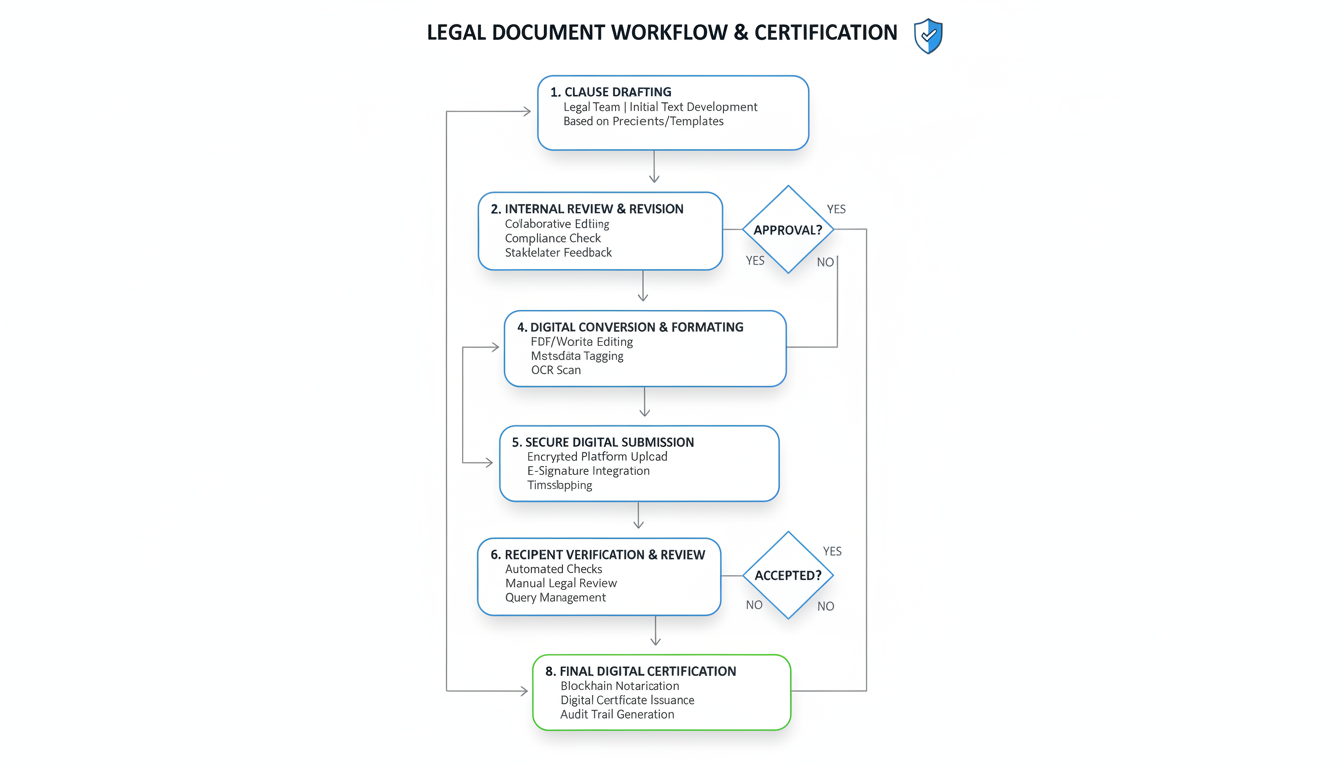
Gone are the days of physical stamps and piles of paper. In most jurisdictions today, including the UK and India, filing is digital. Here is the modern workflow for handling these documents during incorporation. The Essential Udyam Registration Documents List: A Comprehensive Checklist for MSME Success
- Determine Objectives: Sit down with your partners. What is the primary business? What might it be in 5 years? This dictates your MOA Object Clause.
- Decide on Control: Who gets veto power? How are shares transferred? This dictates your AOA.
- Drafting:
- For the MOA, precision is key. Use standard legal language.
- For the AOA, customization is key. Add “Entrenchment Provisions” if you want to make certain rules harder to change (e.g., requiring 90% vote to fire a founder).
- Digital Submission: Use forms like SPICe+ (India) or the Companies House WebFiling (UK). These forms auto-generate the MOA and AOA based on your inputs.
- Stamping & Signing: Even digitally, subscribers must affix Digital Signatures (DSC) to validate the charter.
Alteration: When You Need to Change the Rules
Business evolves. You might start as a local shop and grow into a multinational conglomerate. Eventually, you will need to alter these documents. Here is where the difference between MOA and AOA hits your wallet and your timeline.
Changing the AOA
This is your internal housekeeping.
Process: Call a General Meeting → Pass a Special Resolution (usually 75% majority) → File the resolution with the Registrar within 30 days.
Changing the MOA
This is major surgery.
Process: Pass a Special Resolution → File with Registrar.
However, if you are changing your Registered Office from one state to another, or changing your Object Clause to something completely different, you may need approval from the Central Government or Regional Director. This involves public notices, newspaper ads, and waiting periods to ensure no creditors object.
| Scenario | Document to Change | Difficulty Level |
|---|---|---|
| Changing Company Name | MOA & AOA | High (Requires new Certificate of Incorporation) |
| Increasing Authorized Capital | MOA (Capital Clause) | Medium (Requires filing fees) |
| Changing Voting Rights | AOA | Low (Internal Resolution) |
| Shifting Office (Same City) | Verification Form only | Very Low |
| Shifting Office (New State) | MOA | Very High (Govt. Approval needed) |
Legal Doctrines You Must Know
Two legal concepts govern how outsiders interact with your MOA and AOA. Understanding these can save you from lawsuits.
Doctrine of Constructive Notice
Since the MOA and AOA are public documents filed with the Registrar, the law assumes everyone has read them. If a vendor signs a contract that violates your MOA, they cannot sue you for damages. The court says, “You should have checked the public record.”
Doctrine of Indoor Management
This is the flip side. While outsiders must know the MOA, they aren’t expected to know your internal drama. If your AOA says “Two directors must sign a check,” but only one signed it and gave it to a vendor, the vendor is protected. They are allowed to assume that your internal “indoor” procedures were followed correctly. For a deeper dive into corporate regulatory frameworks, the Ministry of Corporate Affairs (or your local equivalent) is the ultimate authority.
⚠️ Watch Out
The “Object Clause” Trap: If your MOA is too narrow, banks may refuse to lend you money for a new project because it technically falls outside your company’s legal scope. Always review your MOA before applying for large corporate loans.
Conclusion
The difference between MOA and AOA isn’t just academic—it’s the structural steel of your business. The MOA anchors you to the law, defining your identity and powers. The AOA designs your interior, defining how you operate and govern.
If you are in the process of incorporating, don’t rush these documents. A well-drafted AOA can prevent founder disputes, and a broad MOA can empower limitless expansion. Conversely, sloppy drafting can lead to deadlocks and void contracts.
Your next step? If you already have a company, pull out your MOA and AOA today. Read them. Do they still reflect your business reality in 2026? If not, it’s time to call a meeting.
❓ Frequently Asked Questions
Can a company exist without an AOA?
Technically, no. Every company needs Articles of Association. However, public companies limited by shares can adopt “Table F” (a standard set of articles provided by the Companies Act) instead of drafting their own. Private companies must always register their own articles.
Which document is more important, MOA or AOA?
The MOA is more important in terms of hierarchy. It is the supreme document. However, for day-to-day operations and dispute resolution between shareholders, the AOA is used far more frequently.
Can the AOA override the MOA?
Never. If a clause in the Articles of Association conflicts with the Memorandum of Association, the MOA prevails, and the clause in the AOA is considered void.
How much does it cost to change the MOA?
The cost varies by jurisdiction and the specific clause being changed. Changing the Capital Clause usually involves paying stamp duty on the new capital amount, which can be significant. Administrative changes like a name change involve standard government filing fees.
Where can I find a company’s MOA and AOA?
These are public documents. You can download them from the official government registry website (like the MCA in India or Companies House in the UK) by paying a nominal inspection fee.
For further reading on legal structures, Cornell Law School’s Legal Information Institute offers excellent general resources on corporate law definitions.