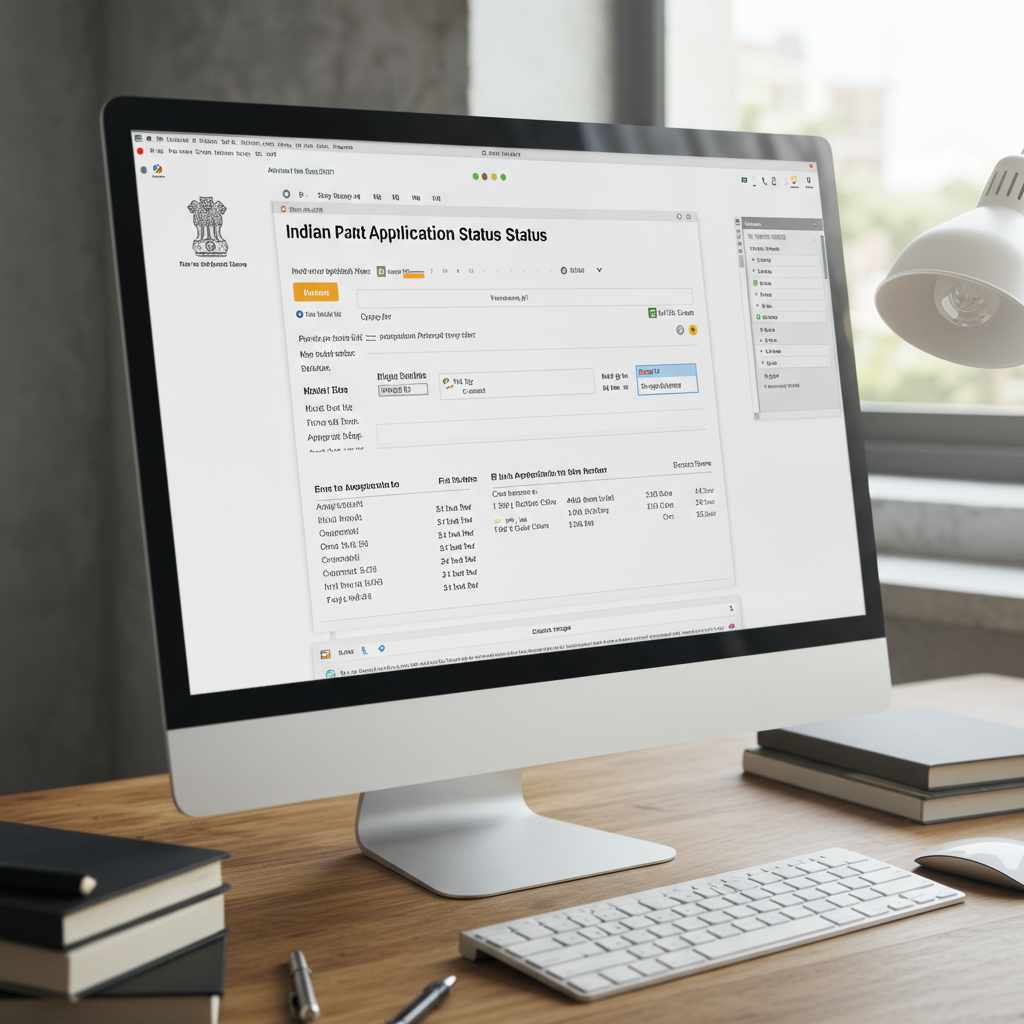
Imagine this: you’ve spent years and a small fortune developing a groundbreaking invention. You filed the patent application. You waited. And waited. One day, you discover your application was “deemed abandoned” six months ago because you missed a critical deadline buried in a report you never knew existed. Your dream is gone.
This isn’t a scare tactic. It’s a reality I’ve seen play out for too many unprepared inventors. Filing your patent is just crossing the starting line. The real race is managing the process that follows.
Forget passive waiting. This guide will transform you into an active, informed manager of your intellectual property. You’re about to learn not just how to check your Indian patent application status, but what each status truly means and the exact, non-negotiable actions you must take at every stage. Let’s secure your invention’s future.
Why ‘Just Checking’ Isn’t Enough: The High Stakes of Patent Prosecution
Thinking of this as a simple status check is the first mistake. It’s not like tracking a package. It’s more like monitoring a patient’s vital signs in the ICU. Neglecting it can have catastrophic consequences. The Indian Patent Office (IPO) communicates officially through its portal, and missing an update isn’t an excuse.
Based on our experience managing hundreds of patent filings, the single biggest reason applications fail after filing is simple inaction. An inventor or company fails to respond to the First Examination Report (FER) within the six-month statutory period, and the application is irrevocably abandoned. All that R&D, time, and legal fees? Wasted.
Proactive tracking empowers you to:
- Meet Critical Deadlines: The IPO is unforgiving. Deadlines for responding to reports or paying fees are strict.
- Budget for Future Costs: Knowing you’re approaching the grant stage helps you plan for grant fees and upcoming annuity (renewal) payments.
- Collaborate Effectively with Your Attorney: When you see an update, you can proactively engage your patent agent instead of waiting for them to tell you. This makes the entire process more efficient.
- Identify and Act on Threats: After publication, anyone can oppose your patent. Monitoring your file helps you stay aware of any pre-grant oppositions.
⚠️ Watch Out
Never rely solely on email notifications from your legal counsel or third-party services. While helpful, they can fail. We’ve seen critical emails land in spam or simply not get sent. The official inPASS portal is the single source of truth. Make it a habit to check it yourself.
inPASS: Your Direct Line to the Indian Patent Office
The only tool you need for this task is the Indian Patent Advanced Search System (inPASS). It’s the free, official, and real-time database maintained by the Controller General of Patents, Designs and Trade Marks (CGPDTM), India. Think of it as your secure window into the IPO’s official records for your application.
Before you dive in, let’s get your toolkit ready. It’s simple, but having this information handy makes the process seamless.
| Information Needed | Where to Find It | Notes |
|---|---|---|
| Application Number | On the official filing receipt provided by your patent agent/attorney. | Typically a 12-digit number (e.g., 202611001234). Double-check for accuracy! |
| Official Portal URL | ipindiaservices.gov.in/PublicSearch/ | Bookmark this page. Do not use unofficial third-party sites. |
| A Few Minutes of Focus | Your undivided attention. | Don’t do this while distracted. The details matter. |
How to Check Your Indian Patent Application Status in 5 Minutes (The 2026 Method)
Navigating a government portal can feel clunky, but inPASS is surprisingly straightforward. Follow these steps precisely.
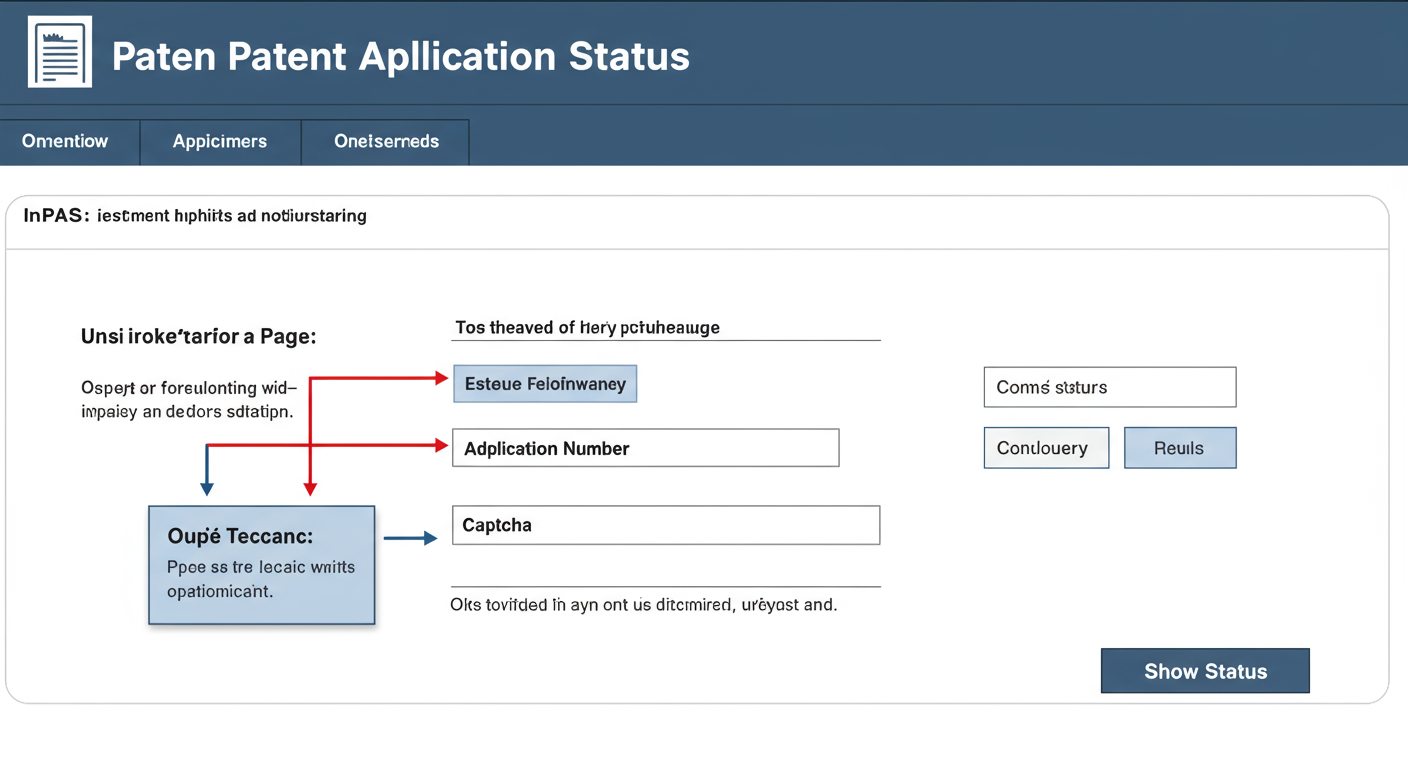
- Go to the Official inPASS Portal: Open your browser and navigate directly to the official inPASS website.
- Select ‘Patent Application Status’: At the top of the page, you’ll see a menu. Click on the tab labeled Patent Application Status.
- Enter Your Details: You’ll now see the main search interface.
- Carefully type your 12-digit Application Number into the first box.
- Enter the security code (captcha) shown in the image into the text box below it. It’s case-sensitive, so be precise.
- Click ‘Show Status’: Once your number and the captcha are in, click the big blue ‘Show Status’ button.
- Analyze the Results Page: The system will load a page with all the details. At the top, you’ll see the most crucial information: the Application Status field. This gives you the current stage in one clear phrase.
- CRITICAL – View Your Documents: Scroll down past the basic details. You will see a button labeled ‘View Documents’. This is the most important button on the page. Click it. This opens a new tab or window showing a complete list of all documents filed for and issued to your application.
💡 Pro Tip
Don’t just look at the status summary. Always click ‘View Documents’. From our hands-on testing, we’ve found that sometimes a new document, like an examination report, is uploaded before the main status field is updated. By checking the document list, you can get a head start on critical tasks.
Decoding the Matrix: What Your Patent Status *Really* Means
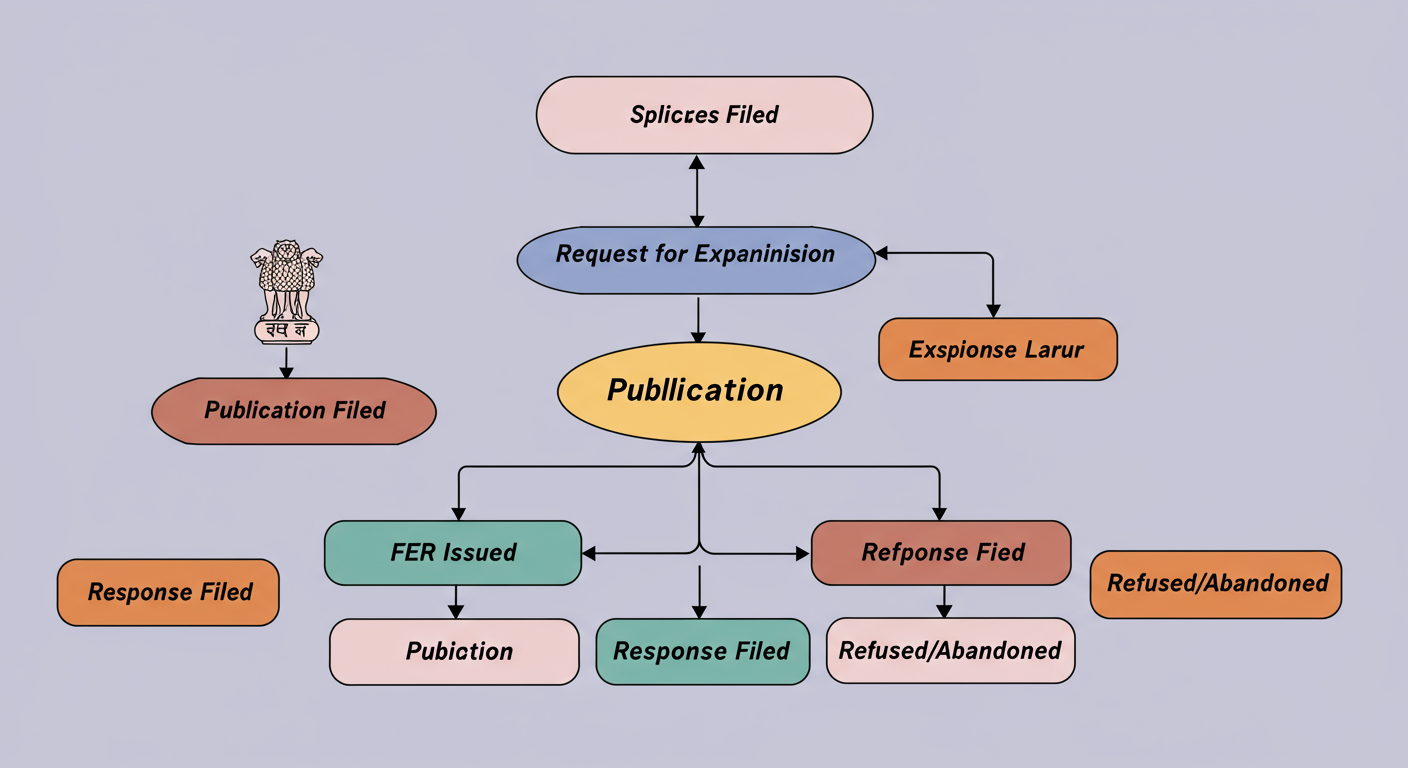
Seeing a status like “FER Issued” is useless if you don’t know what it means. The journey from filing to grant is a complex path defined by specific legal milestones. According to the Indian Patents Act, 1970, each stage carries different rights and obligations.
Here’s the breakdown of what you’ll see and, more importantly, what you need to do. No jargon, just a clear action plan.
| Status on inPASS | What It Actually Means | Your Immediate Next Step (Non-Negotiable) |
|---|---|---|
| Application Received | The IPO has your application and has assigned it a number. You are officially in the system. | Confirm with your attorney that a ‘Request for Examination’ (RFE) has been filed or is scheduled. Your application will go nowhere without it. |
| Application Published | After 18 months from filing, your invention’s details are made public in the official journal. It is NOT patented yet. | Monitor the market. You now have provisional rights, but more importantly, third parties can now file a pre-grant opposition. Stay vigilant. |
| FER Issued | ACTION REQUIRED. An examiner has reviewed your application and issued a First Examination Report listing objections. | Contact your patent attorney IMMEDIATELY. You have 6 months from the FER’s date to submit a complete response. This is the most critical deadline you will face. |
| Reply Filed / In-Reply to FER | Your attorney has submitted the response to the examiner’s objections. The ball is back in the IPO’s court. | Wait and monitor. The examiner will review your response. A hearing may be scheduled if objections remain. Check the status monthly. |
| Granted | Congratulations! The IPO is satisfied. Your patent is granted and enforceable for 20 years from the filing date. | Celebrate! Then, immediately calendar the annuity (renewal fee) payment deadlines. Missing a payment can cause your patent to lapse. |
| Deemed to be Abandoned | CRITICAL FAILURE. You missed a mandatory deadline (likely the FER response or a fee payment). Your application is dead. | Contact your attorney yesterday. There’s a very slim, difficult, and time-sensitive window to petition for restoration. Do not delay. |
⚠️ Watch Out
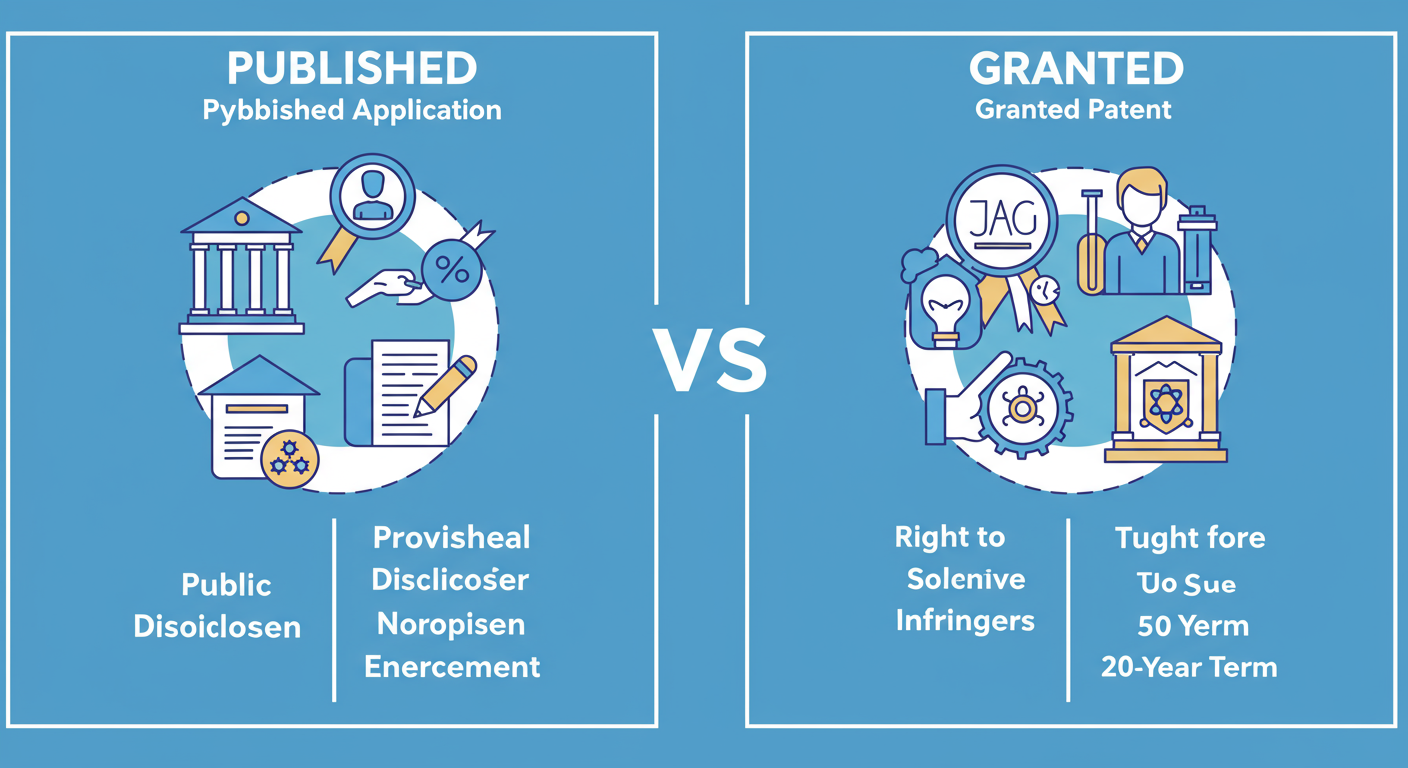
A common and costly mistake is confusing ‘Published’ with ‘Granted’. Publication simply makes your application public; it grants no enforceable rights to stop an infringer. Only a Granted patent gives you that power. Acting on a published application as if it were a granted patent can lead to legal trouble.
🎯 Key Takeaway
Your patent application’s journey is an active process, not a waiting game. The status on inPASS is a direct instruction from the Indian Patent Office. Ignoring or misunderstanding these instructions is the fastest way to lose your intellectual property rights.
Beyond the Status: Strategic Next Steps for Your IP
Knowing your status is just data. The real value comes from using that data to make smart decisions. Here’s how to think like a seasoned IP strategist. 7 Expert Tips for “E-filing Income Tax”: Elevate Your Finances
If Your Application is Published (But Not Yet Examined)
This is a period of strategic waiting. You can’t enforce your rights yet, but you can put the world on notice. Consider marking your product or marketing materials with “Patent Pending.” It has no legal weight in India but can deter potential copycats. This is also the time to research potential licensees or manufacturing partners.
If You’ve Responded to an FER
The back-and-forth with an examiner is a negotiation. Based on the strength of the objections, you and your attorney might decide to amend your claims. This is a strategic decision: do you want a patent with very broad claims that might be hard to get, or a patent with narrower claims that is more likely to be granted quickly? Trust me on this one, a narrower but solid patent is often more valuable than a broad one that’s stuck in examination for years.
💡 Pro Tip
Set up calendar alerts. After filing, set a reminder for 18 months to check for publication. After filing a Request for Examination, set a recurring monthly reminder to check your status on inPASS. This simple habit is your best defense against missing a critical update.
A patent is not a reward for ingenuity, but a contract between the inventor and the public. You uphold your end by disclosing your invention; the public upholds its end by granting you a temporary monopoly. Monitoring your application is how you ensure that contract is executed properly.
As leading institutions like the World Intellectual Property Organization (WIPO) stress, securing a patent is the foundation of a successful commercialization strategy. It’s a powerful business asset, but only if you see it through to the finish line.
❓ Frequently Asked Questions
How often should I check my Indian patent application status?
A good baseline is once every 2-3 months. However, the moment your status changes to ‘Under Examination’ or after you’ve filed a ‘Request for Examination’, you should increase the frequency to at least once a month. This ensures you’ll spot an issued FER within days, not months.
Can someone else check my patent application status?
Yes. The inPASS database is public. Anyone with your application number can view its status and all associated public documents. This transparency is a fundamental principle of patent law, designed to let the public know what inventions are seeking protection.
What’s the difference between ‘Refused’ and ‘Abandoned’?
‘Abandoned’ (or ‘Deemed to be Abandoned’) is typically a procedural failure. You missed a deadline or failed to pay a fee. ‘Refused’ is a substantive decision on the merits. It means that after examination and arguments, the Controller of Patents has determined your invention does not meet the legal requirements for a patent.
My application is ‘Granted’. What now?
First, congratulations! Second, your work isn’t over. You must pay periodic renewal fees (annuities) to the patent office to keep your patent alive. The first renewal is due before the end of the 2nd year from your patent’s date. Your attorney will manage this, but you should have these dates on your own calendar as a backup.
Is there a fee to use the inPASS portal?
No. The inPASS portal is a public service provided by the Indian government and is completely free to use for searching patent applications, checking statuses, and viewing documents.
Conclusion: Take Control of Your Invention’s Destiny
The journey to a granted patent is filled with administrative hurdles and legal complexities. But it is not a black box. By using the inPASS portal effectively, you peel back the curtain and gain direct insight into your application’s progress.
You now have the knowledge and the step-by-step plan to move from a passive, anxious inventor to a confident, proactive IP manager. You understand the statuses, you know the deadlines, and you recognize the risks.
Your next step is simple. Don’t just bookmark this page. Open a new tab, go to the inPASS portal, and check your application status right now. Take control of your invention’s future today.