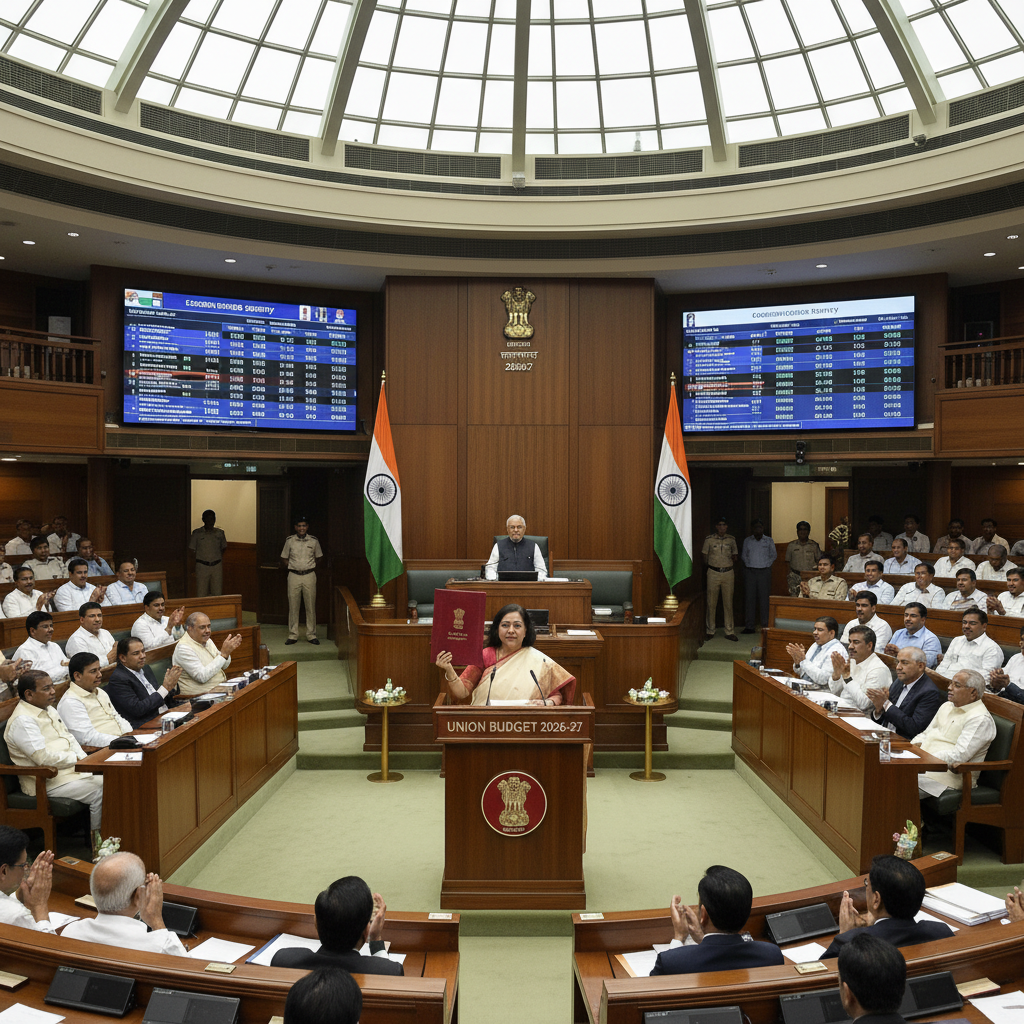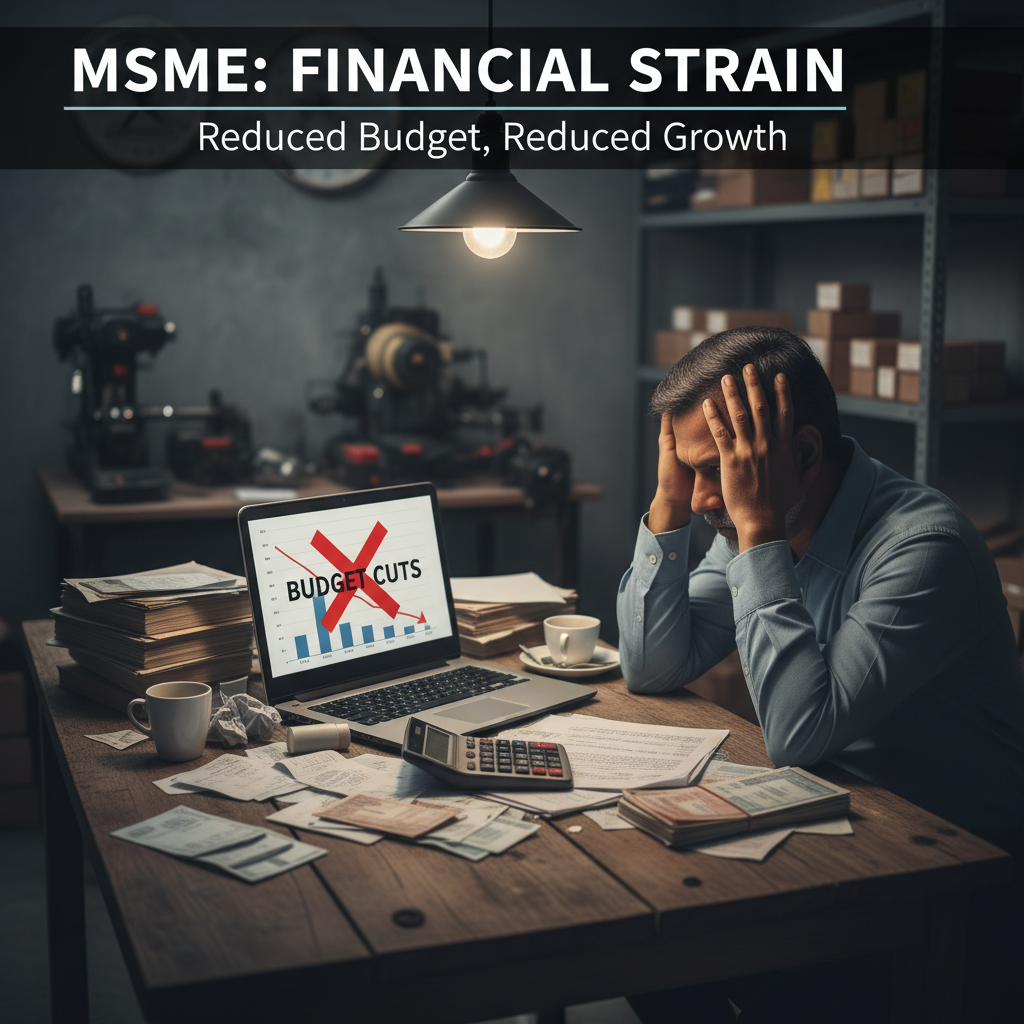
The Micro, Small, and Medium Enterprises (MSME) sector is often described as the backbone of the economy, contributing significantly to employment, exports, and industrial output. As we navigate the fiscal roadmap for the upcoming year, understanding the budget impact on msme becomes crucial for business owners, chartered accountants, and financial stakeholders. The Union Budget 2026 has laid out a distinct trajectory focusing on formalization, credit accessibility, and technological integration, aiming to propel small businesses toward global competitiveness.
For entrepreneurs, the budget is not just a statement of accounts but a signal of policy direction. Whether you are a manufacturer in a tier-2 city or a service provider in a metropolitan hub, the budget impact on msme will directly influence your cash flow, compliance burden, and growth opportunities. This article provides a deep dive into the nuances of the budget, offering actionable insights and a step-by-step guide to leveraging new provisions for business success.
Analyzing the Financial Budget Impact on MSME Lending
One of the most persistent challenges for small businesses has been access to timely and affordable credit. The 2026 fiscal announcements have addressed this head-on, creating a positive budget impact on msme lending ecosystems. The government has emphasized the expansion of credit guarantee schemes, ensuring that collateral-free loans become more accessible to micro-enterprises that often lack significant assets.
Financial institutions are now encouraged to adopt cash-flow-based lending models rather than asset-based models. This shift is monumental. It means that if your business has a healthy turnover and clean books, your ability to secure funding increases, regardless of the property you own. Furthermore, the budget has allocated increased funds to the Raising and Accelerating MSME Performance (RAMP) scheme, aimed at strengthening institutions and governance at the state level.
Credit Guarantee Boost
Enhanced corpus for the CGTMSE scheme allows for higher coverage ratios, reducing the risk for lenders and lowering interest rates for borrowers.
Interest Subvention
Continuation of interest equalization schemes for exporters ensures that Indian MSMEs remain competitive in the global market against foreign peers.
Digital Lending
Integration of public credit registries to speed up loan processing times from weeks to mere days using AI-driven assessment tools.
Tax Reforms: A Major Budget Impact on MSME Profitability
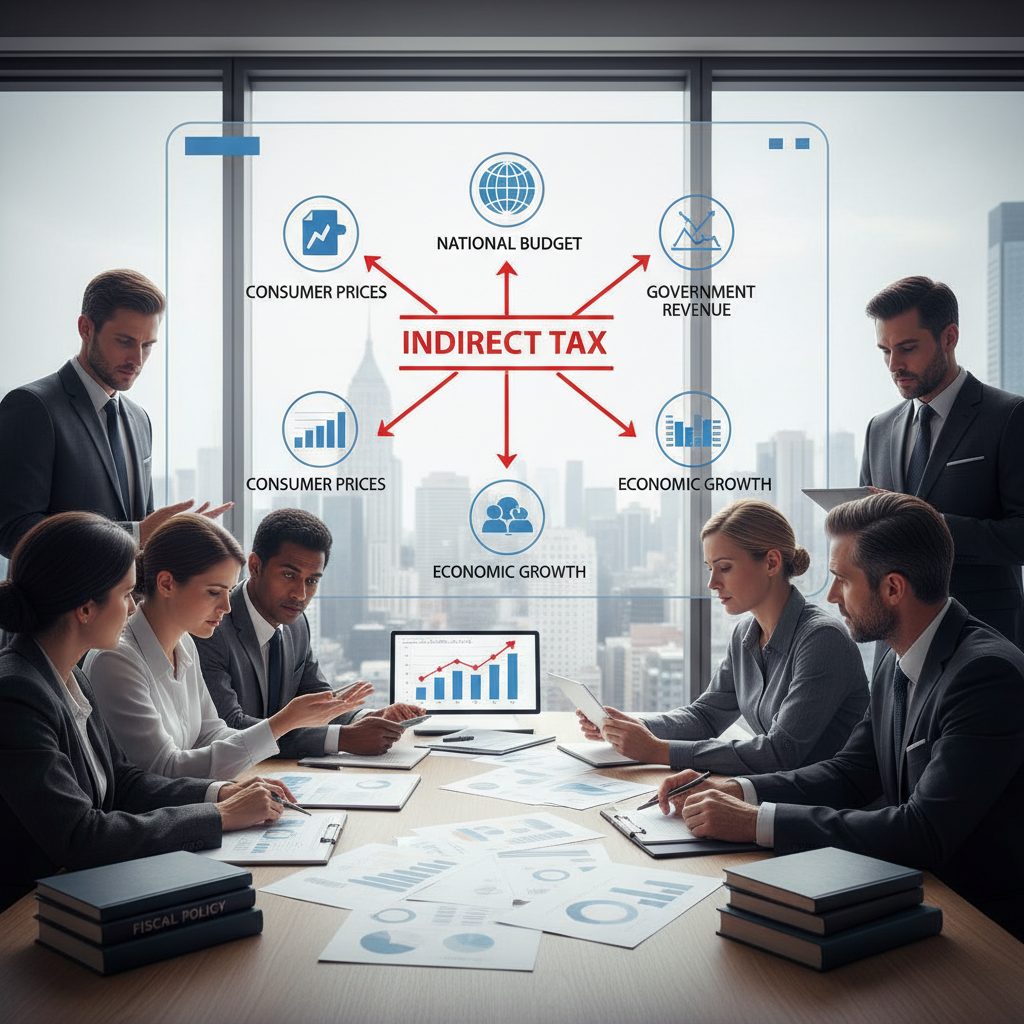
Taxation remains a critical area where government policy dictates business viability. The budget impact on msme taxation in 2026 focuses on simplifying compliance and reducing litigation. A significant highlight is the rationalization of presumptive taxation limits. By increasing the turnover threshold for presumptive taxation, the government allows more professionals and small business owners to file simpler returns, thereby reducing the administrative burden and accounting costs.
Moreover, the budget has reinforced strict adherence to payment timelines. Building on previous regulations like Section 43B(h) of the Income Tax Act, the 2026 provisions ensure that larger corporations cannot claim deductions on expenses unless they have actually paid their MSME vendors within the stipulated time. This creates a liquidity-positive budget impact on msme operations, ensuring that working capital is not stuck in unpaid invoices.
For businesses looking to streamline their tax obligations, understanding these nuances is key. For comprehensive assistance, you can refer to a monthly and quarterly GST filing guide to ensure you stay compliant with the evolving indirect tax landscape.
Infrastructure and Logistics: Budget Impact on MSME Supply Chains
The cost of logistics in India has historically been higher than global benchmarks, affecting the margins of small manufacturers. The budget impact on msme logistics is set to be transformative through the continued rollout of the PM Gati Shakti National Master Plan. The 2026 budget allocates substantial capital expenditure toward developing multi-modal connectivity hubs. For an MSME, this translates to faster movement of raw materials and finished goods, reducing inventory holding costs.
Additionally, the development of dedicated industrial corridors with plug-and-play infrastructure allows small businesses to set up manufacturing units without the heavy capex usually required for land development and utility connections. This structural support is designed to integrate Indian MSMEs into the global value chain seamlessly.
Digital Transformation and Budget Impact on MSME Operations
We are in the midst of a digital revolution, and the budget acknowledges this by incentivizing technology adoption. The budget impact on msme digitalization includes subsidies for adopting ERP software, cybersecurity measures, and cloud computing solutions. The government envisions a future where every MSME has a digital footprint, making them credit-worthy and market-ready.
A key component of this digital push is the emphasis on formal registration. To avail of these digital benefits, possessing an Udyam Registration is mandatory. It acts as the primary identity for any small business to access government schemes. To understand why this is vital for your growth, read about the Udyam certificate benefits list for MSME growth.
Manufacturing and Exports: Direct Budget Impact on MSME Competitiveness
To realize the vision of “Viksit Bharat” (Developed India), the manufacturing sector must fire on all cylinders. The budget impact on msme manufacturing is evident in the expansion of Production Linked Incentive (PLI) schemes to labor-intensive sectors like textiles, leather, and handicrafts. These sectors are dominated by MSMEs and stand to gain significantly from fiscal incentives tied to incremental production.
Furthermore, the budget proposes setting up Unity Malls in state capitals to promote “One District, One Product” (ODOP). This initiative provides a prominent marketplace for local artisans and manufacturers to showcase their products, directly boosting sales and brand visibility without the exorbitant costs of private retail spaces.
PLI Expansion
New inclusions in PLI schemes specifically target MSME-heavy sectors, offering cash incentives for increased production output.
Export Hubs
Creation of district-level export hubs to decentralize export facilitation, making it easier for rural MSMEs to ship globally.
Customs Duty Rationalization
Reduced import duties on critical raw materials used by MSMEs, lowering the cost of production and boosting margins.
Navigating the Budget Impact on MSME Compliance
While the budget offers carrots, it also uses sticks to ensure compliance. The budget impact on msme regulatory frameworks involves stricter penalties for non-compliance but easier pathways for correction. The introduction of a unified filing portal aims to reduce the time entrepreneurs spend on statutory filings. Instead of visiting multiple websites for PF, ESI, GST, and Income Tax, the budget proposes a single-window system for data sharing among government agencies.
This “compliance ease” is a double-edged sword; it simplifies life for honest taxpayers but ensures that data mismatch is caught instantly by AI algorithms. Therefore, maintaining clean books is more important than ever.
Step-by-Step Guide: Adapting to the Budget 2026 Changes
Understanding the budget is one thing; implementing changes is another. Here is a practical roadmap for MSME owners to maximize the benefits of the 2026 budget:
- Review Your Classification: Ensure your investment and turnover details are updated on the Udyam portal to prevent losing MSME status.
- Analyze Supply Chains: Check if your raw materials have received customs duty cuts and renegotiate prices with international vendors.
- Digital Audit: Assess your current digital infrastructure. Utilize new budget grants to upgrade your accounting and inventory software.
- Check Vendor Payments: Strictly monitor the payment cycles of your buyers. If you are a buyer, ensure you pay Micro and Small enterprises within 45 days to avoid tax disallowances.
- Explore PLI Schemes: Consult with a professional to see if your product line falls under the newly expanded PLI sectors.
Checklist for Post-Budget Action
Use this checklist to ensure your business is budget-ready:
- [ ] Updated Udyam Registration certificate.
- [ ] Reviewed interest rates with the bank under the new CGTMSE guidelines.
- [ ] Assessed eligibility for the new presumptive taxation limits.
- [ ] Integrated e-invoicing systems if turnover thresholds apply.
- [ ] Verified HSN codes for products affected by customs duty changes.
For authoritative data on MSME definitions and government schemes, always refer to the Ministry of MSME Official Website. Additionally, to understand the broader monetary implications, the Reserve Bank of India provides regular notifications relevant to lending rates.
Conclusion
The budget impact on msme in 2026 is largely constructive, aiming to bridge the gap between informal operations and formal economic participation. By addressing liquidity through credit guarantees, improving margins through tax rationalization, and boosting reach through infrastructure development, the budget provides a robust platform for growth.
However, the onus lies on the business owner to adapt. The shift towards a digital, compliant, and competitive ecosystem is inevitable. Those who proactively align their business models with these budgetary provisions will not only survive but thrive in the evolving Indian economy. Stay informed, stay compliant, and leverage these government initiatives to scale your enterprise to new heights.
Frequently Asked Questions
The budget has strengthened the CGTMSE scheme, increasing the guarantee coverage for loans. This encourages banks to lend to MSMEs without asking for collateral, significantly improving liquidity for small business owners.
The budget reinforces Section 43B(h), ensuring that larger companies can only claim tax deductions on expenses if they have paid their MSME suppliers within the stipulated time (usually 45 days). This ensures timely cash flow for MSMEs.
Yes, the budget continues interest equalization schemes and proposes the setup of district-level export hubs. Additionally, customs duties on certain raw materials have been reduced to make Indian finished goods more competitive globally.
The budget allocates funds for digital public infrastructure and offers subsidies for MSMEs adopting cloud computing, ERP software, and cybersecurity measures to modernize their operations.
Yes, Udyam Registration is the primary prerequisite for accessing almost all government schemes, subsidies, and low-interest loans announced in the budget.