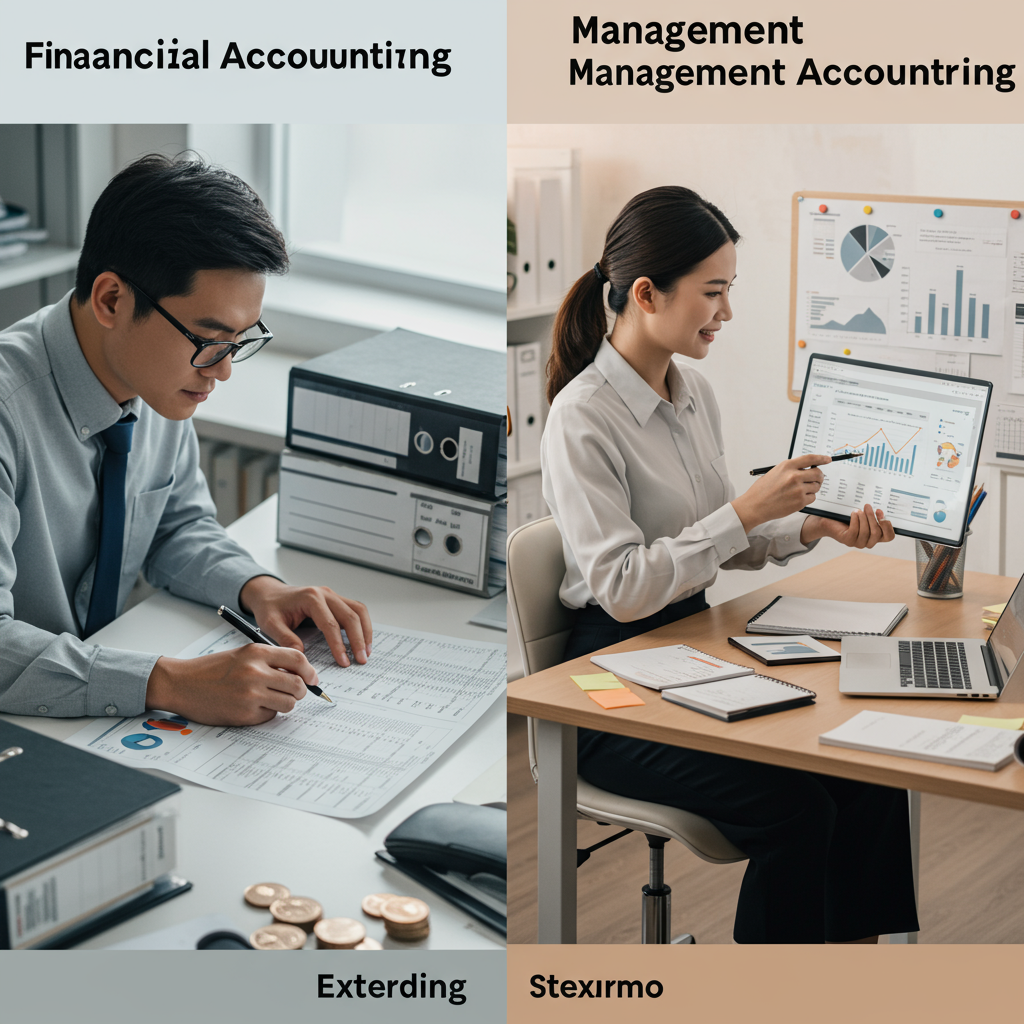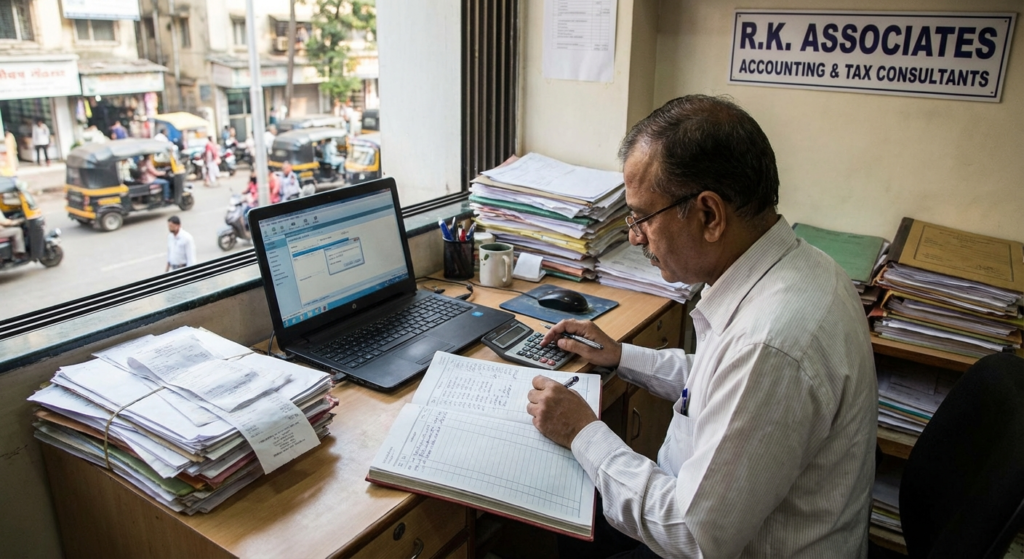
Running a venture in the dynamic Indian market is an exhilarating journey, but it comes with its own set of administrative hurdles. Among the most critical yet often overlooked aspects is maintaining accurate financial records. If you are struggling to keep your accounts in order, you are not alone. Effective bookkeeping small business India is the backbone of any successful enterprise, acting as the compass that guides your financial decisions and ensures you stay on the right side of the law.
In this comprehensive guide, we will dismantle the complexities of financial management. Whether you are a freelancer in Bangalore or running a manufacturing unit in Pune, understanding the nuances of bookkeeping small business India is non-negotiable for sustainable growth. From handling GST compliance to choosing the right software, we cover it all to help you transition from chaotic receipts to streamlined success.
Why Bookkeeping Small Business India is Critical for Survival
Many entrepreneurs view bookkeeping as a tedious chore—something to be handed off to a Chartered Accountant at the end of the year. However, treating bookkeeping small business India as an afterthought is a dangerous strategy. In the Indian economic landscape, where tax laws and GST regulations are stringent, real-time record-keeping is your safety net.
Proper bookkeeping offers more than just tax compliance; it provides a real-time snapshot of your business health. It helps you answer critical questions: Are you actually making a profit, or just generating revenue? Where is your cash getting stuck? Without accurate bookkeeping small business India, you are essentially flying blind.
Statutory Compliance
In India, businesses must adhere to strict norms under the Companies Act and Income Tax Act. Proper records ensure you avoid hefty penalties during scrutiny.
Cash Flow Management
Tracking receivables and payables helps prevent liquidity crunches, ensuring you have enough funds to pay vendors and salaries on time.
Investor Confidence
If you plan to raise funds, investors will demand audited financial statements. Clean books build trust and increase valuation.
Setting the Foundation: Single vs. Double Entry Systems
Before diving into tools and tricks, you must decide on the method of recording transactions. This is a fundamental choice in bookkeeping small business India.
Single Entry System: This is similar to a checkbook register. You record transactions as they happen (income and expense). It is simple but doesn’t track assets or liabilities effectively. It is generally suitable only for very small sole proprietorships.
Double Entry System: This is the standard for bookkeeping small business India. Every transaction affects at least two accounts (a debit and a credit). For example, if you buy a laptop for ₹50,000, your cash decreases, but your asset (equipment) increases. This system provides a complete financial picture and is required for proper statutory audits.
Key Differences at a Glance
Single Entry
- Easy to maintain.
- No complex accounting knowledge needed.
- Cannot generate a Balance Sheet.
- High risk of errors going undetected.
Double Entry
- Provides a full financial view.
- Detects errors through balancing.
- Required for loans and investors.
- Standard for bookkeeping small business India.
Steps to Master Bookkeeping Small Business India
Implementing a robust system doesn’t have to be overwhelming. By breaking it down into actionable steps, you can ensure your bookkeeping small business India strategy is efficient and scalable.
1. Separate Personal and Business Finances
The cardinal sin of small business accounting is mixing personal and business funds. Before you even record your first sale, ensure you have a dedicated current account. This separation is vital not just for clarity but for legal protection. If you are in the early stages, you might want to read about easy business registration in India to ensure your entity is structured correctly to open a bank account.
2. Choose the Right Accounting Software
Gone are the days of physical ledgers (the red ‘bahi-khata’). Today, cloud-based software is king. Tools like Tally Prime, Zoho Books, and QuickBooks are tailored for bookkeeping small business India. They automate GST calculations, generate invoices, and sync with your bank feeds.
3. Categorize Expenses Correctly
Every rupee spent must be categorized—Rent, Utilities, Salaries, Marketing, etc. Accurate categorization is crucial for claiming tax deductions. For instance, knowing exactly how much you spend on logistics can help you optimize costs.
Navigating GST and Bookkeeping Small Business India
The Goods and Services Tax (GST) has revolutionized how trade is conducted in the country. Consequently, GST compliance is now central to bookkeeping small business India. Your books must accurately reflect Input Tax Credit (ITC) and output tax liability.
Failing to reconcile your books with your GST returns (GSTR-1, GSTR-3B) can lead to notices from the tax department. Modern bookkeeping involves ensuring that the invoices you upload match the data in the government portal. For businesses involved in online selling, understanding GST for e-commerce success is essential, as the volume of transactions requires precise automated bookkeeping.
“In the world of tax, ignorance is not bliss; it is expensive. Accurate bookkeeping is your best defense against compliance errors.”
Common Pitfalls in Bookkeeping Small Business India
Even with the best intentions, business owners make mistakes. Being aware of these common errors can save you time and money while managing bookkeeping small business India.
- Ignoring Petty Cash: Small expenses like tea, snacks, and local travel add up. Failing to record these can result in a significant amount of unaccounted cash outflow.
- Procrastination: Waiting until the end of the financial year to update your books is a recipe for disaster. It leads to missing receipts and inaccurate data.
- Misclassifying Employees as Contractors: This affects TDS deductions and professional tax liabilities.
- Forgetting to Back Up Data: If you are using desktop-based software, ensure you have cloud backups. Losing financial data is catastrophic.
Tools of the Trade: Digital Solutions
To streamline bookkeeping small business India, leveraging technology is non-negotiable. Here is a quick look at the top contenders in the Indian market:
Tally Prime
The veteran of Indian accounting. Extremely powerful for inventory and statutory compliance, widely used by CAs.
Zoho Books
A cloud-native solution that integrates beautifully with other Zoho apps. Excellent for automation and GST filing.
QuickBooks India
User-friendly interface ideal for non-accountants. Great for service-based businesses needing simple invoicing.
Outsourcing vs. In-House Bookkeeping Small Business India
As your business scales, you will face a dilemma: should you keep doing it yourself, hire a full-time accountant, or outsource? This is a pivotal decision in the lifecycle of bookkeeping small business India.
When to DIY
If you are a freelancer or a very early-stage startup with fewer than 50 transactions a month, DIY is cost-effective. It also helps you understand your cash flow intimately.
When to Outsource
Once you start hiring employees, dealing with complex GST slabs, or managing inventory, it is time to bring in experts. Outsourcing to a professional agency or a CA firm can actually save money by preventing costly tax errors. According to the Ministry of MSME, financial literacy and professional support are key drivers for small business longevity.
Hybrid Approach
Many Indian SMEs adopt a hybrid model. They use cloud software to raise invoices and record expenses themselves (the day-to-day work), while a consultant logs in periodically to reconcile bank statements and file taxes. This collaborative approach to bookkeeping small business India ensures control and compliance.
Final Thoughts: The Path to Financial Clarity
Effective bookkeeping small business India is not just about satisfying the taxman; it is about empowering yourself as a business owner. Clean books allow you to make informed decisions, secure loans, and sleep better at night knowing your compliance is in check.
Start small. Open that current account, choose a simple software, and commit to updating your records weekly. The discipline you build today will be the foundation of your empire tomorrow. For more insights on staying compliant, you can check resources from the Income Tax Department of India.
Frequently Asked Questions
Not necessarily for the day-to-day recording of transactions. You can handle basic bookkeeping yourself using software. However, for finalizing the balance sheet, tax audits, and complex GST filings, hiring a CA is highly recommended.
Yes, for very small businesses or freelancers, Excel is sufficient. However, it lacks automation, is prone to manual errors, and doesn’t support automatic GST return generation, making dedicated software a better choice for growing businesses.
According to the Income Tax Act, you are required to maintain your books of accounts for a period of 6 years from the end of the relevant assessment year. Practically, keeping records for 8 years is a safe standard.
Bookkeeping is the transactional recording of daily financial activities (receipts, payments). Accounting involves interpreting, classifying, analyzing, and summarizing that data to generate financial reports and insights.
Yes, reputable cloud accounting platforms use bank-grade encryption and security protocols. They are often safer than keeping physical files or local hard drives that can be corrupted, lost, or stolen.
Read Also:
- Old TDS Return Haunting You in 2026?
- Dodge the 2026 Startup Angel Tax Trap
- Solo Founder’s 2026 OPC Launchpad
- Simplify Your GST: 2026 Composition Guide
- 7 Essential Facts About TDS on Professional Fees Under Section 194J (2025 Guide) – Visual Story
- Form 11 LLP Filing 2026: A Guide to Avoiding Crippling Penalties – Visual Story
- How to Start a Transport Business in 2026 (A Profitable Plan)
- 10 Essential Rules of GST for E-Commerce Sellers: The Ultimate Compliance Guide – Visual Story