Imagine this scenario: It’s the last day to file your company’s annual returns. Your auditor is ready, the forms are prepared, and the clock is ticking toward midnight. You plug in your USB token to sign the document, and… nothing. Error. Expired.
In that moment, a small piece of hardware becomes the biggest bottleneck in your business.
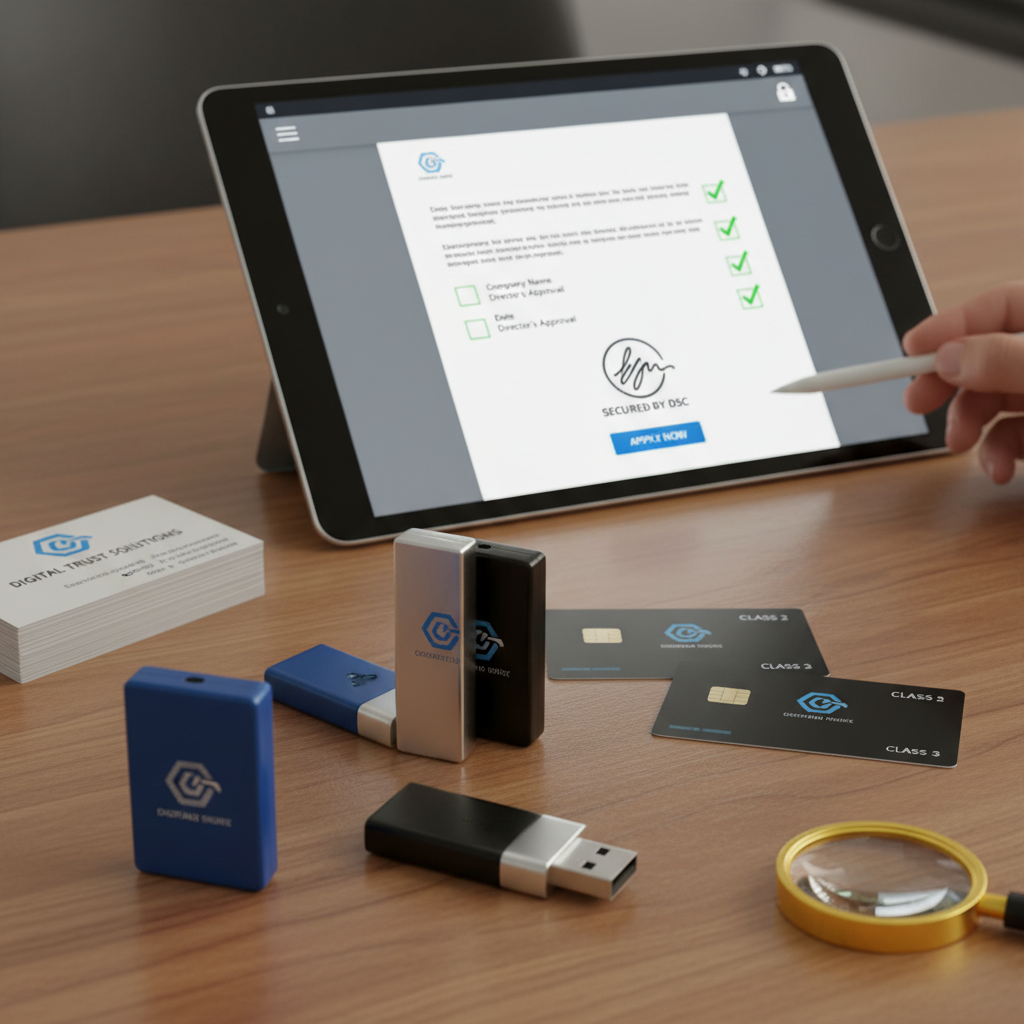
In the Indian corporate ecosystem, a Digital Signature Certificate for Company India (DSC) isn’t just a technical requirement; it is the digital equivalent of your handwritten signature, your company seal, and your identity card all rolled into one cryptographic token. Without it, your Private Limited Company or LLP is effectively paralyzed. You can’t file taxes, you can’t add directors, and you certainly can’t bid for government tenders.
If you are confused about the shift from Class 2 to Class 3, or if you’re struggling with the new Video KYC norms, you aren’t alone. We’ve helped hundreds of founders navigate this process, and in this guide, we’re going to cut through the jargon and tell you exactly how to get your DSC sorted quickly and correctly.
🎯 Key Takeaway
As of the latest Controller of Certifying Authorities (CCA) guidelines, Class 2 DSCs are dead. Every director and authorized signatory must now obtain a Class 3 Digital Signature Certificate. This is the highest level of security available and requires a mandatory Video KYC verification process.
Why Your Business Literally Cannot Function Without a DSC
Let’s be real: nobody loves compliance paperwork. But in India’s “Digital India” framework, the Ministry of Corporate Affairs (MCA) has made the DSC the gatekeeper of all corporate governance.
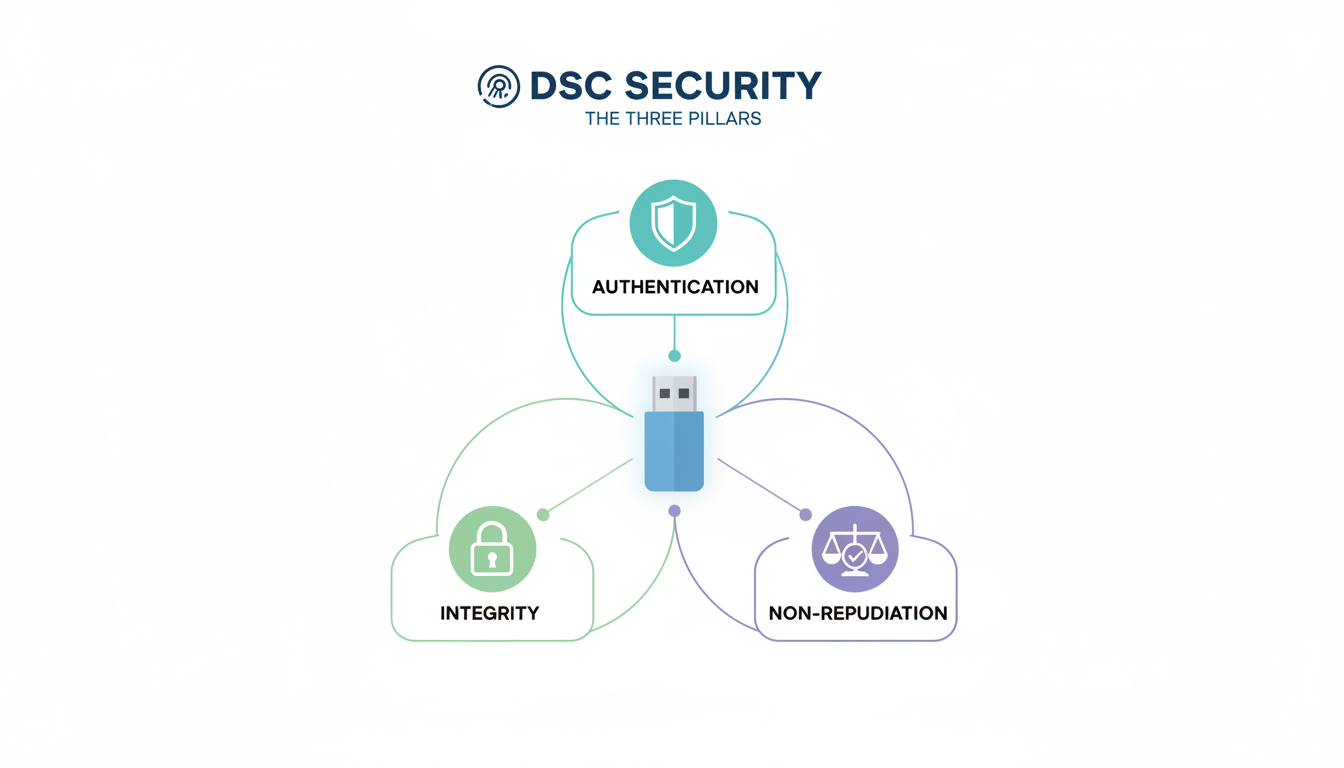
In our experience dealing with corporate filings, we’ve seen businesses face heavy penalties simply because a director’s DSC expired a day before a deadline. The DSC serves three critical functions that a physical signature simply cannot match:
- Authentication: It proves you are who you say you are. Unlike a password which can be stolen, a DSC requires both the physical token and a PIN.
- Integrity: Once a document is signed digitally, even a single comma change will invalidate the signature. It’s tamper-proof.
- Non-Repudiation: Legally, you cannot deny signing a document once your DSC is affixed. It holds the same standing in a court of law as a wet-ink signature under the IT Act, 2000.
The Great Shift: Class 2 vs. Class 3 DSC
If you registered a company five years ago, you probably used a Class 2 DSC. Those days are over. The government realized that for high-value transactions and corporate filings, “good enough” security wasn’t actually good enough.
Here is the breakdown of why the industry has moved entirely to Class 3 for a digital signature certificate for company India.
| Feature | Class 2 DSC (Discontinued) | Class 3 DSC (The New Standard) |
|---|---|---|
| Security Level | Moderate. Verified against database records. | High Assurance. Verified via physical or Video KYC. |
| Primary Use | Basic Income Tax & ROC filings. | All-Access Pass. e-Tendering, ROC, GST, Trademark, Patent. |
| Verification | Paper-based or simple database check. | Strict Video Verification (Live recording required). |
| Current Status | No longer issued or renewed. | Mandatory for all new applications and renewals. |
⚠️ Watch Out
Beware of “Cheap” DSC Offers. Some vendors might try to sell you old stock or “combo” offers that sound too good to be true. Ensure you are buying a Class 3 Signing + Encryption certificate. For e-tendering, you specifically need the “Encryption” component; a simple “Signing” certificate won’t work.
Step-by-Step: How to Obtain Your DSC (The 2025 Workflow)
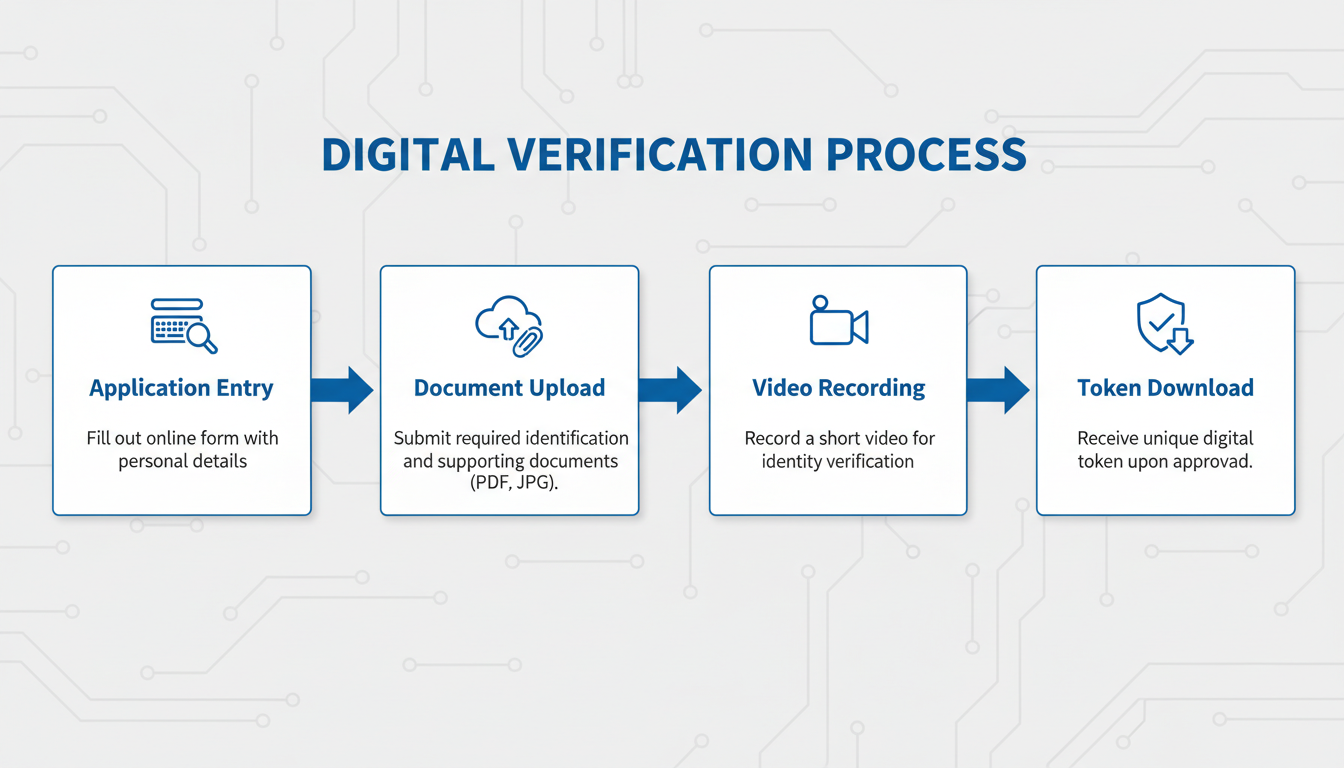
Gone are the days of couriering stacks of paper forms. The process is now paperless, but it requires precision. One mistake in the video recording, and your application gets rejected.
Here is the exact workflow we use to get clients approved in under 24 hours.
Step 1: Gather Your Documents
Before you even open a browser, have these ready. The Certifying Authority (CA) will cross-verify these against the government database.
- PAN Card: The name must match exactly. If your PAN has initials but your Aadhaar has the full name, you might face a rejection.
- Aadhaar Card: Ensure your mobile number linked to Aadhaar is active for OTP.
- Passport Photo: A clear, recent scan (JPG format).
- Email & Mobile: You will need access to both simultaneously for OTP verification.
Step 2: Select a Certifying Authority (CA)
You cannot buy a DSC directly from the government. You must go through licensed CAs like eMudhra, Capricorn, Pantasign, or Sify. Most professionals use a Reseller (like a Chartered Accountant or Company Secretary) because the support is better if things go wrong.
Step 3: The Video KYC (The Tricky Part)
This is where 40% of applicants fail on the first try. You will receive a link to record a video.
How to ace the Video KYC:
- Lighting: Ensure your face is clearly visible. No hats, no sunglasses.
- The Script: You must read the script displayed on the screen clearly. It usually goes: “My name is [Name], and I have applied for a DSC with [CA Name]. The code is [XXX].”
- Show Documents: You must hold your original PAN card and Address Proof (Aadhaar/Passport) to the camera. Hold it steady for 5 seconds so the agent can read the text.
💡 Pro Tip
Buy the 2-Year Validity. The price difference between a 1-year and 2-year certificate is usually negligible (often less than ₹500). Opting for 2 years saves you the hassle of repeating the Video KYC process next year. Compliance is annoying enough; don’t make it an annual ritual.
Step 4: Download to Token
Once approved (usually within 2-4 hours), the DSC must be downloaded. Crucial: You cannot download a DSC to your computer hard drive. It must be downloaded to a FIPS-certified USB Cryptographic Token (like HyperPKI, WatchData, or ProxKey). A Comprehensive Guide on How to Add New Director in Private Limited Company: Steps and Compliance
Where Will You Use This Certificate?
You might think, “I’ll just get it when I need it.” But in the corporate world, requirements pop up overnight. Here is a checklist of where your digital signature certificate for company India is mandatory. Choosing the Best Mutual Fund: A Beginner’s Guide
| Department | Form/Activity | Why it matters |
|---|---|---|
| MCA / ROC | Company Incorporation (SPICe+), Annual Returns (AOC-4, MGT-7), Director KYC (DIR-3). | You cannot register a company or file returns without it. |
| Income Tax | ITR Filing, Tax Audit Reports. | Mandatory for all corporate entities and tax audits. |
| GST Network | GST Registration, Monthly Returns (GSTR-1/3B). | Required for companies/LLPs. Proprietors can use OTP, but companies cannot. |
| e-Tendering | Government Bids (GeM, CPPP). | Requires Class 3 with Encryption. High-security clearance. |
| DGFT | Import Export Code (IEC) applications. | Essential for any business involved in foreign trade. |
Special Case: Foreign Directors and NRIs
We often see confusion regarding foreign directors. Can a foreign national obtain a DSC in India? Absolutely, and they must if they are a director in an Indian subsidiary. The Essential Guide to NITI Aayog NGO Darpan Registration Steps: Compliance and Accessing Government Grants
However, the process differs slightly. Since they don’t have an Indian PAN or Aadhaar, they must submit: Mastering TDS Return Due Dates: A Comprehensive Guide for Timely Compliance in India
- Apostilled Passport Copy: The passport must be apostilled in their home country.
- Apostilled Address Proof: Driving license or bank statement.
The Video KYC remains mandatory, but the verification is done based on the passport. If you are managing a subsidiary, start this process at least 7 days before any deadline, as document verification for foreign nationals takes longer. What is an OPC? One Person Company Explained
Protecting Your Digital Identity
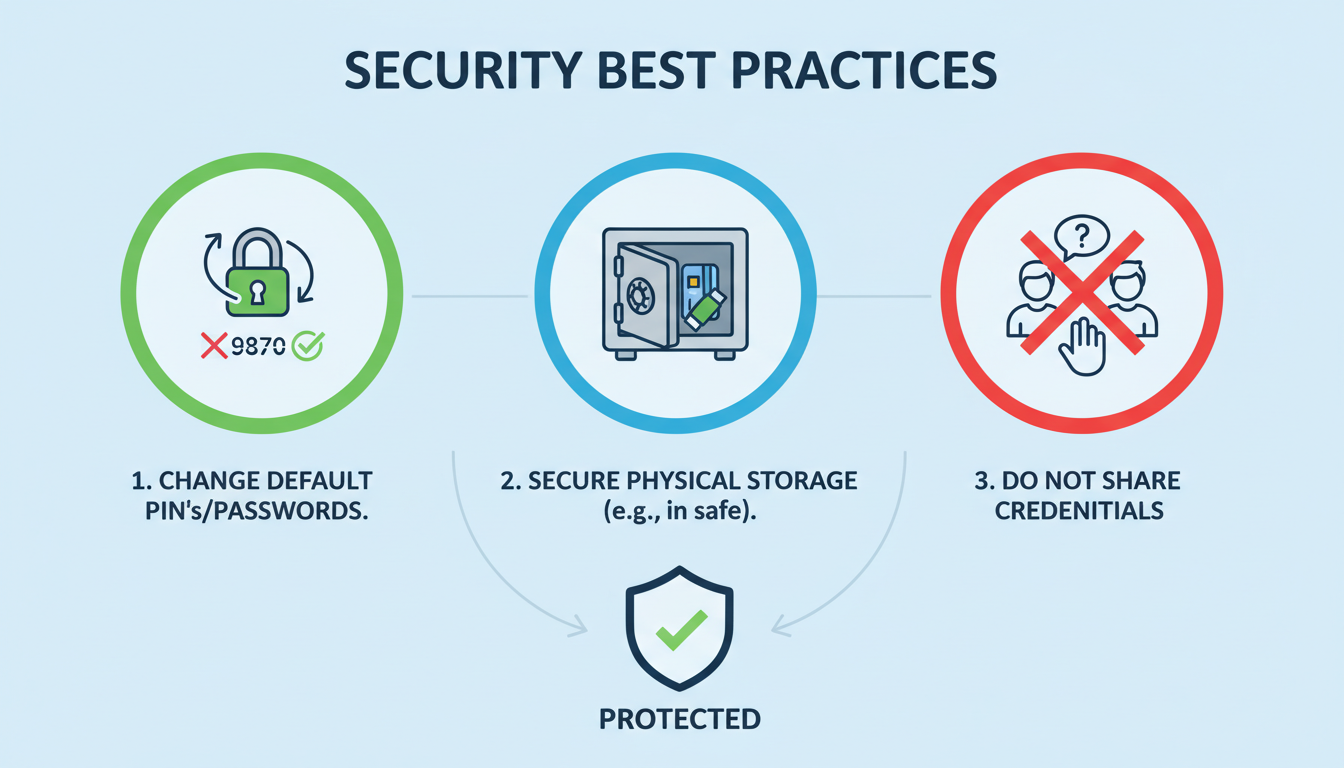
Treat your USB token like the keys to your office safe. If a disgruntled employee gets hold of a director’s DSC and the PIN, they can legally sign documents, transfer shares, or resign the director from the board.
⚠️ Watch Out
Never share your PIN via WhatsApp or Email. We often see directors taping the PIN code to the USB stick itself. This defeats the entire purpose of security! If the token is lost, anyone can use it. Change the default PIN immediately upon receipt.
❓ Frequently Asked Questions
Can I use the same DSC for my personal ITR and my company filings?
Yes! A Class 3 DSC is issued to an individual, not the company. If you are a director in three different companies, you use the same DSC for all three, as well as for your personal Income Tax Return. It is linked to your PAN, not the company’s CIN.
My DSC token is lost. Can I get a duplicate?
No. For security reasons, CAs cannot issue a “duplicate” of a lost certificate. You must apply for a fresh DSC, pay the fees again, and undergo the Video KYC process from scratch. The old DSC should be revoked immediately.
What is the difference between “Signing” and “Encryption”?
“Signing” is used to sign documents (like PDF forms). “Encryption” is used to protect documents before uploading them (mostly for government tenders). For general company compliance (MCA/Tax), a “Signing Only” certificate is often enough, but we recommend a “Combo” (Signing + Encryption) to cover all bases.
Can I use a Mac to download the DSC?
This is a common pain point. Most DSC token drivers and download utilities are optimized for Windows. While Mac support is improving, we strongly recommend using a Windows PC for the initial download of the certificate to the token to avoid driver compatibility issues.
How do I know if my DSC is expired?
You can plug the token into your PC and open the token driver software (usually found in the system tray). It will display the “Valid From” and “Valid To” dates. Alternatively, you can check the validity on the MCA portal if you have registered it there.
💡 Pro Tip
Register on MCA V3 Portal Immediately. Getting the DSC is only step one. You must “Associate” the DSC on the MCA V3 portal and the Income Tax portal. Until you register the DSC on these specific websites, the system won’t recognize it, even if the token is plugged in.
Final Thoughts: Don’t Wait Until the Last Minute
Obtaining a digital signature certificate for company India is a straightforward process, provided you have your documents in order and understand the video verification requirements. It is the foundational key to your business’s compliance.
Don’t treat this as a commodity to be bought at the cheapest price; treat it as a critical business asset. Check your expiry dates today. If you are within 30 days of expiration, renew it now. The peace of mind during tax season is worth every rupee.
Ready to get compliant? Ensure your documents are scanned, your lighting is good, and get that Class 3 DSC secured today.