Imagine this: You’ve spent six months perfecting your product, hiring the right team, and setting up a stunning office. You launch on Monday. By Friday, a municipal inspector is at your door, and by the following Tuesday, your shutters are down. Sealed.
Why? Because you missed a single piece of paper.
It sounds like a nightmare, but in my years consulting for startups and SMEs across India, I’ve seen this scenario play out more often than I’d like to admit. The culprit is almost always the humble Trade License. Unlike the buzz around GST or company incorporation, the trade license registration requirements India mandates are often treated as an afterthought. That is a massive mistake.
This isn’t just about ticking a box. It’s about ensuring your business has the legal right to exist in its physical location. Whether you are running a cloud kitchen in Bangalore or a boutique consultancy in Delhi, the rules change every few hundred kilometers.
In this guide, we aren’t just going to list documents. We’re going to walk through the messy, real-world process of getting compliant, avoiding the bureaucratic traps, and keeping your doors open.
🎯 Key Takeaway
A Trade License is location-specific permission, not a general business registration. Securing it proves your business isn’t a health hazard or nuisance to the neighborhood, and failing to get one can lead to daily fines or immediate closure of your premises.
The Confusion: Trade License vs. Shop & Establishment Act
Here is where 90% of new entrepreneurs get tripped up. I get asked this constantly: “I already have my Shop & Establishment certificate. Do I really need a Trade License too?”
The short answer? Yes, usually.
While they seem similar, they serve completely different masters. The Shop & Establishment Act is about labor and working conditions (hours, holidays, wages). The Trade License is about health, safety, and nuisance control.
Let’s break down the differences so you never get them mixed up again.
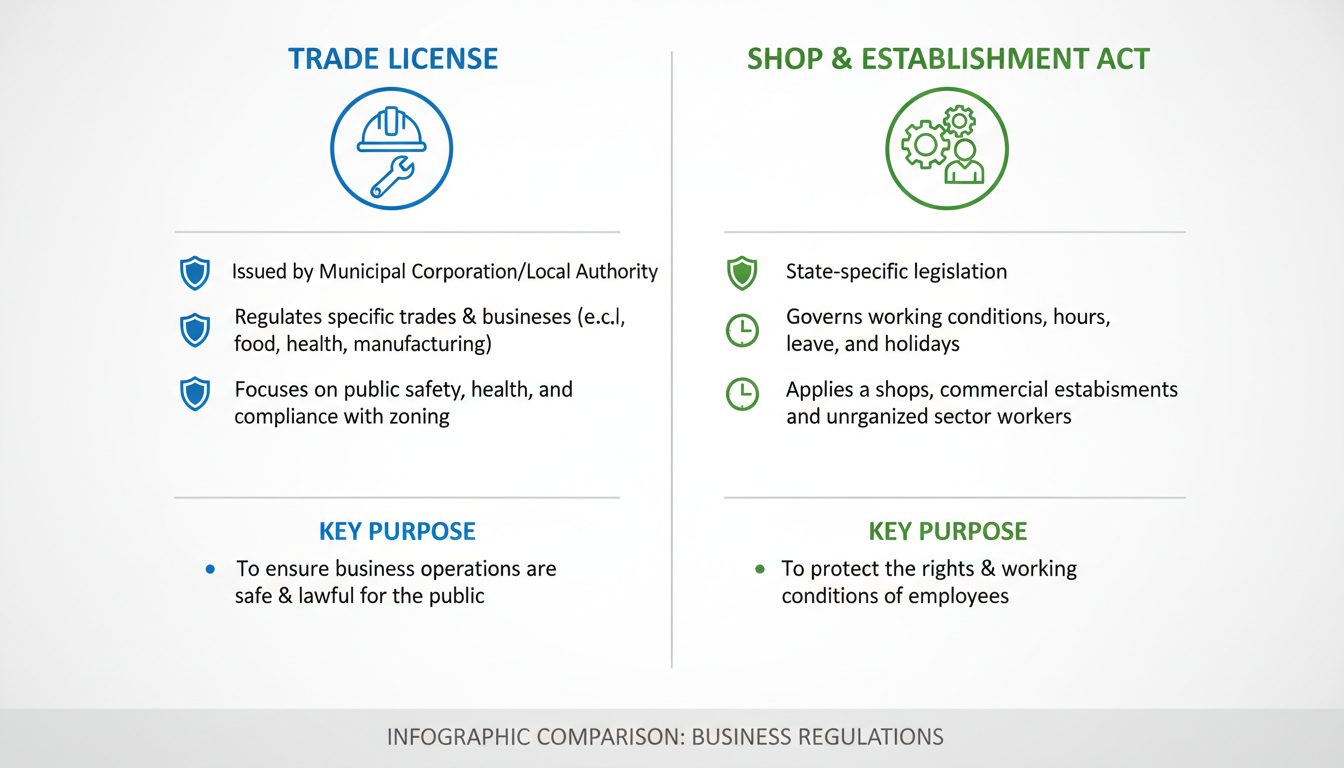
| Feature | Shop & Establishment Registration | Trade License |
|---|---|---|
| Primary Focus | Employee rights, working hours, holidays, and wages. | Public health, safety, zoning, and nuisance control. |
| Issuing Authority | State Department of Labor. | Local Municipal Corporation (e.g., BMC, MCD, BBMP). |
| Who Needs It? | Almost every commercial establishment (shops, offices). | Specific trades (manufacturing, food, hazardous activities) and general retail in many states. |
| Validity | Often lifetime (with fees) or long-term renewal. | Usually 1 year (requires annual renewal). |
| Key Concern | “Are you treating your staff fairly?” | “Is your business safe for the neighborhood?” |
Essential Trade License Registration Requirements India
Bureaucracy in India loves paper. If you walk into a municipal office (or log into their portal) missing one document, you aren’t just delayed by a day; you’re often reset to the back of the queue. From our experience handling filings across different states, having a “master file” ready before you even start the application is the best strategy.
While specific trade license registration requirements India vary by municipality, this is the core stack you will need everywhere.
1. Identity & Authorization
- ID Proof: Aadhaar Card and PAN Card of the individual applicant, partners, or directors.
- Entity Proof: PAN Card of the company/firm.
- Authorization Letter: If you (the owner) aren’t doing the running around, you need a formal letter authorizing a representative to apply on your behalf.
2. Premises Documentation (The Tricky Part)
This is where applications usually get rejected. The municipality needs to know you have a legal right to occupy the space and that the space is legal.
- Ownership Proof: Property Tax receipt (latest) is gold here. It proves the building is on the municipal records.
- Occupancy Proof: If you rent, you need a valid Rent/Lease Agreement.
- NOC from Owner: A specific No Objection Certificate from the landlord allowing you to use the premises for commercial purposes.
⚠️ Watch Out
The “Residential” Trap: If you are operating from a residential area, check your local zoning laws first. Many municipalities (like Delhi’s MCD) strictly prohibit certain trades in residential zones. Applying for a trade license there might actually alert authorities to your violation and get you shut down.
3. Business Specifics
- Constitution of Business: MOA/AOA for companies, Partnership Deed for firms.
- Site Plan: A blueprint or layout of the workspace. For factories or restaurants, this must show fire exits and machinery placement.
- Bank Proof: A cancelled cheque or bank statement.
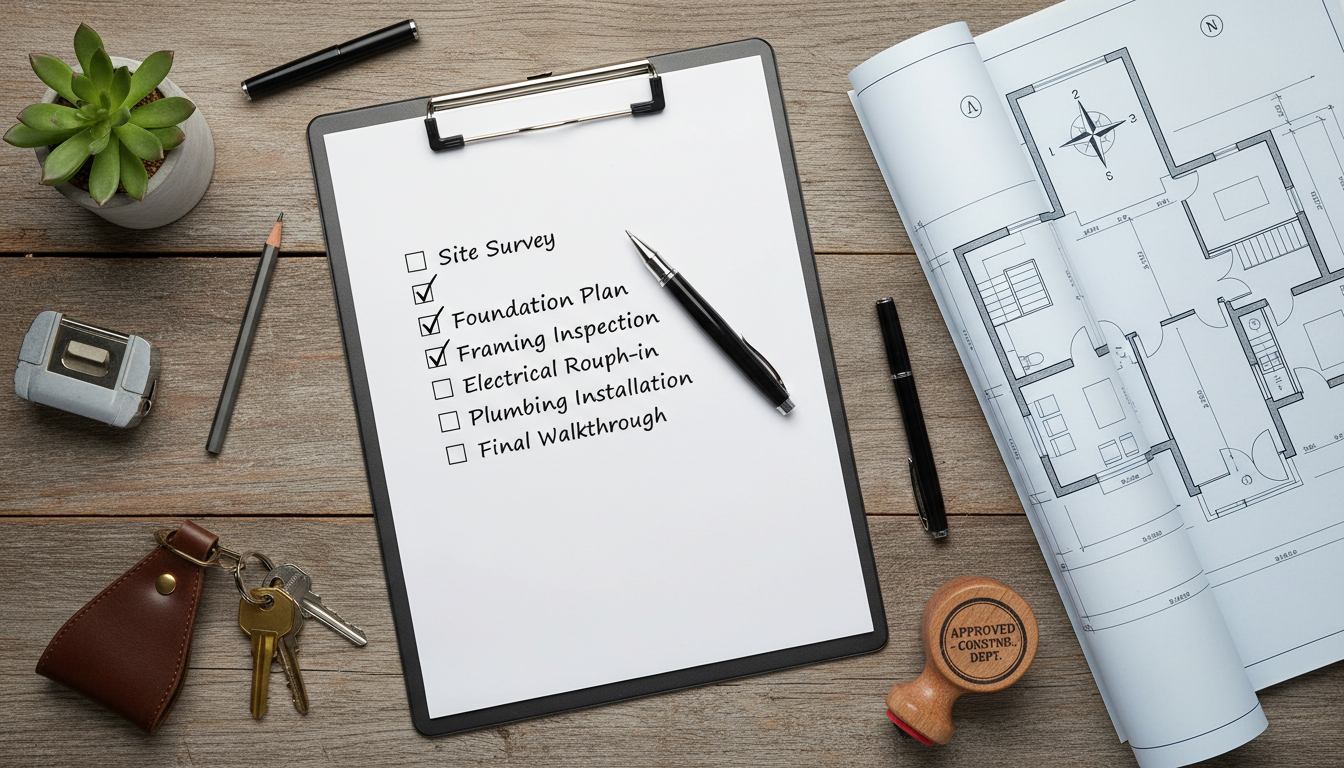
The Application Process: A Step-by-Step Guide
Gone are the days when you had to bribe a clerk to get your file moved (mostly). The Digital India initiative has pushed most of this online. However, the “online” process often involves a physical inspection tail. Here is the workflow we generally follow for our clients.
- Identify Your Local Body: It sounds obvious, but in expanding cities like Bangalore or Pune, knowing whether you fall under the main corporation or a peripheral panchayat is step one.
- Select the Trade Category: You will see a dropdown list. Be careful here. If you run a cafe but select “General Trading” to save fees, you are non-compliant. If you handle food, select “Food Establishment.” If you use motors/machinery, select “Industrial.”
- Upload Documents: Ensure your scans are clear. Blurry PDFs are the number one reason for “Query Raised” statuses.
- Fee Payment: Pay the processing fee. This is usually calculated based on the area of your premises (in square feet) and the type of trade.
- The Inspection (The Real Test): A Ward Inspector may visit your site. They are checking for fire extinguishers, proper ventilation, and waste disposal systems.
- Certificate Generation: Once approved, the license is generated digitally. Download it, print it, and frame it.
💡 Pro Tip
Display It Prominently: Don’t file your Trade License away in a drawer. By law, in most states, it must be displayed in a conspicuous place at your business entrance. Inspectors look for this first when they do random rounds.
State-Wise Nuances: It’s Not One Size Fits All
India is a federal structure, and municipalities have their own autonomy. This means the trade license registration requirements India enforces in Mumbai look very different from those in Kolkata. You cannot apply a “Delhi strategy” to a “Chennai business.” Audit Trail Reporting for Private Companies: MCA Rules
Here is a quick comparison of the major hubs to illustrate the variance: 7 Expert Tips for “E-filing Income Tax”: Elevate Your Finances
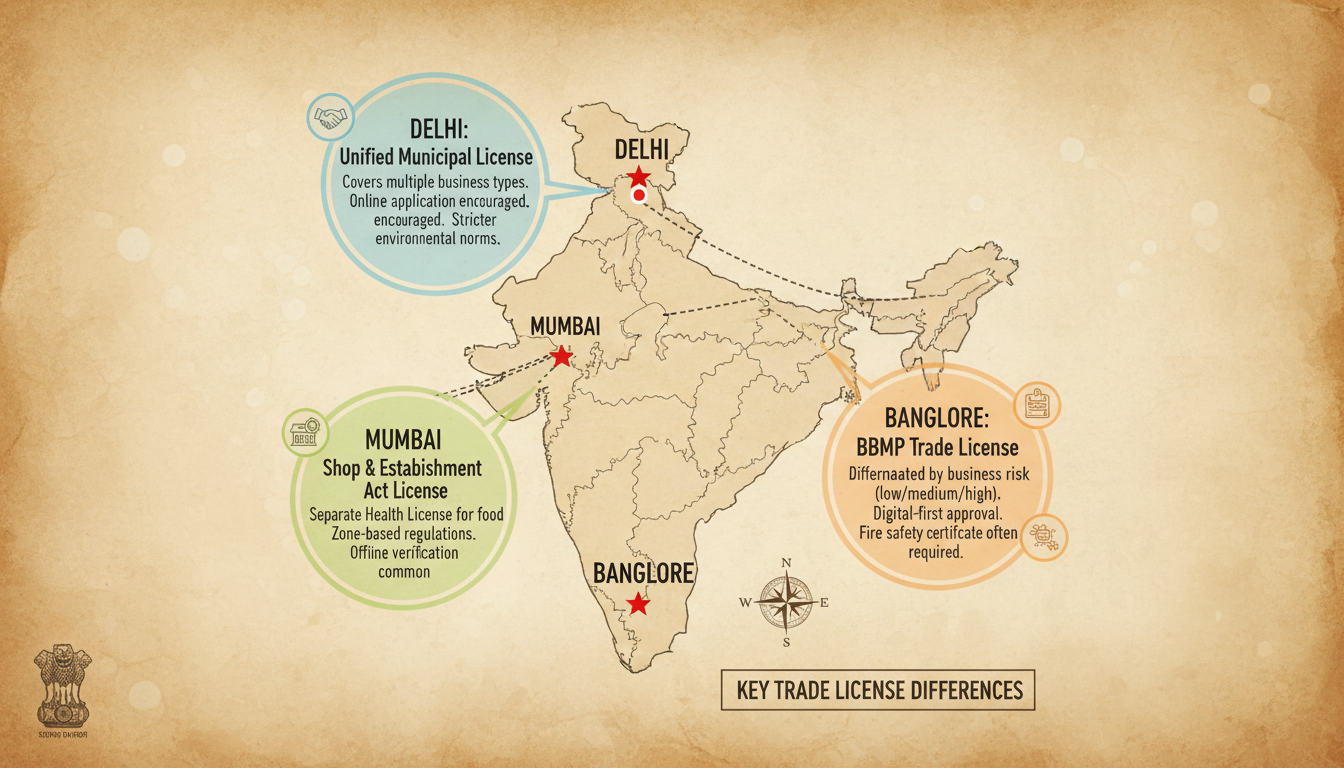
| City / Authority | Key Characteristic | Specific Requirement / Quirk |
|---|---|---|
| Mumbai (BMC) | Strict & Expensive | Fees are high. For food businesses, the health department inspection is rigorous. You often need a separate “Health License” alongside the Trade License. |
| Delhi (MCD) | Zoning Focused | Obsessed with the “Master Plan of Delhi.” You must prove your activity is allowed in your specific zone (Residential, Commercial, Mixed-Use). |
| Bangalore (BBMP) | Tech-Forward but Strict | Online process is decent, but they are aggressive about “Kannada Nameboards.” Your signboard must be 60% Kannada to avoid issues during inspection. |
| Gurgaon (MCG) | Developing | Often requires a “Change of Land Use” (CLU) certificate if you are setting up in a newly developed area. |
The Renewal Trap: Don’t Let It Expire
I cannot stress this enough: A Trade License is not a “one and done” deal. It is a subscription to operate. TDS Section 194C Contractor Payment Rules Explained with Comprehensive Examples
Most licenses expire on March 31st of every year. The renewal window usually opens in January or February. If you miss this window, the penalties are draconian. The Definitive Guide to Section 8 Company Registration Online in India
In some municipalities, the penalty isn’t a flat fee—it’s a percentage of the license fee, compounding every month. I’ve seen business owners end up paying 300% of the original fee just because they forgot to renew for six months. Furthermore, if you are caught operating with an expired license, it is legally the same as operating with no license. Niti Aayog Darpan Registration Process: A Comprehensive Step-by-Step Guide for NGOs
⚠️ Watch Out
The “Deemed Approval” Myth: Some entrepreneurs think if they pay the fee and don’t hear back, they are safe. This is risky. Always log in and download the actual renewed certificate. A payment receipt is not a license.
❓ Frequently Asked Questions
Can I operate from my home without a Trade License?
Generally, no. Even for home-based businesses, if you are trading goods or providing services that involve client visits or storage, you likely need a license. However, some states have exemptions for very small “service-only” freelancers (like writers or coders) who don’t disturb the neighborhood. Always check with your local ward office.
Is the Trade License the same as GST Registration?
No. GST is a central tax registration for paying taxes on sales. A Trade License is a local municipal permission to operate a business at a specific address. You usually need both.
What is the government fee for a Trade License?
It varies wildly. It can be as low as ₹500 for a small shop in a Tier-2 city, to over ₹50,000 for a large restaurant or factory in a metro. It is typically calculated based on the square footage of your area and the nature of your trade.
How long does it take to get the license?
In digitally advanced municipalities (like BBMP or BMC), if your documents are perfect, you can get it in 7-10 working days. In manual jurisdictions, it can take 30-45 days. Plan your launch accordingly.
Do e-commerce sellers need a Trade License?
Yes. Even if you sell online, you have a physical place where you store goods (a warehouse or an office). That physical location requires a Trade License.
💡 Pro Tip
Sync Your Calendars: Set a recurring calendar alert for January 15th every year labeled “Trade License Renewal.” Beat the March rush and avoid the server crashes that happen at the end of the financial year.
Conclusion: Compliance is Your Foundation
Navigating the trade license registration requirements India throws at you can feel like navigating a maze. But here is the thing: it is the foundation of your business’s legitimacy. It protects you from legal harassment, builds trust with your customers, and ensures you aren’t one municipal raid away from closure.
Don’t treat this as just paperwork. Treat it as insurance for your business continuity. Gather your documents, identify your local authority, and get that license on your wall. If you are unsure about your specific zoning or category, consult a local expert—it’s cheaper than paying the fines later.
Ready to get compliant? Start by locating your latest Property Tax receipt—that’s your first step.
Read Also:
- Unlock Grants: Your 2026 NGO Darpan Guide
- Crack Your Company’s 21-Digit Code in 2026
- Master Your GST ITC in 2026
- Indian Patent Application Status: The Ultimate 2026 Guide
- Unlock Your 2026 Property Tax Credit
- FSSAI Food Licence Renewal 2026: Your Guide to Avoiding Penalties
- MGT Full Form: The 2026 Director’s Guide to MCA Compliance – Visual Story