Ever wonder who’s behind the curtain of India’s biggest business deals? When a unicorn startup goes public, a legacy conglomerate restructures, or the government rolls out a complex new tax policy, the same four names almost always appear. They are the invisible architects of the corporate world.
They are Deloitte, PwC, EY, and KPMG. And they’re known as the Big Four.
But calling them “accounting firms” is like calling a smartphone just a “phone.” It misses the entire picture. These global powerhouses are multifaceted advisory firms that have deeply embedded themselves into the very fabric of India’s economy. They’re career launchpads, strategy shapers, and the ultimate arbiters of corporate trust.
This isn’t just another list of names and services. In this deep dive, you’ll get an insider’s perspective on what truly sets the Big Four companies in India apart, how they really operate, and—most importantly—how you can become a part of their world. Forget the generic advice. It’s time to understand the real story.
The Big Four at a Glance: More Than Just Numbers
While often spoken of as a single entity, each of the Big Four has a distinct identity, history, and area of dominance. Think of them as four titans competing on the same battlefield, each with their own unique weapons and strategies. Here’s a high-level snapshot of the players.
| Firm | Global Tagline/Motto | Reputation in India | Primary Strength |
|---|---|---|---|
| Deloitte | “Making an impact that matters” | The largest by revenue and scale; often seen as the most aggressive in consulting growth. | Consulting & Risk Advisory |
| PwC | “To build trust in society and solve important problems” | Legacy brand with deep government and regulatory ties; the “gold standard” for audit. | Assurance (Audit) & Tax |
| EY | “Building a better working world” | Strong focus on entrepreneurship and transactions; known for its people-first culture. | Tax & Strategy/Transactions |
| KPMG | “Cutting through complexity” | Client-centric and industry-focused; strong in M&A and risk consulting. | Deal Advisory & Risk |
Beyond the Balance Sheet: What Do They Actually Do?
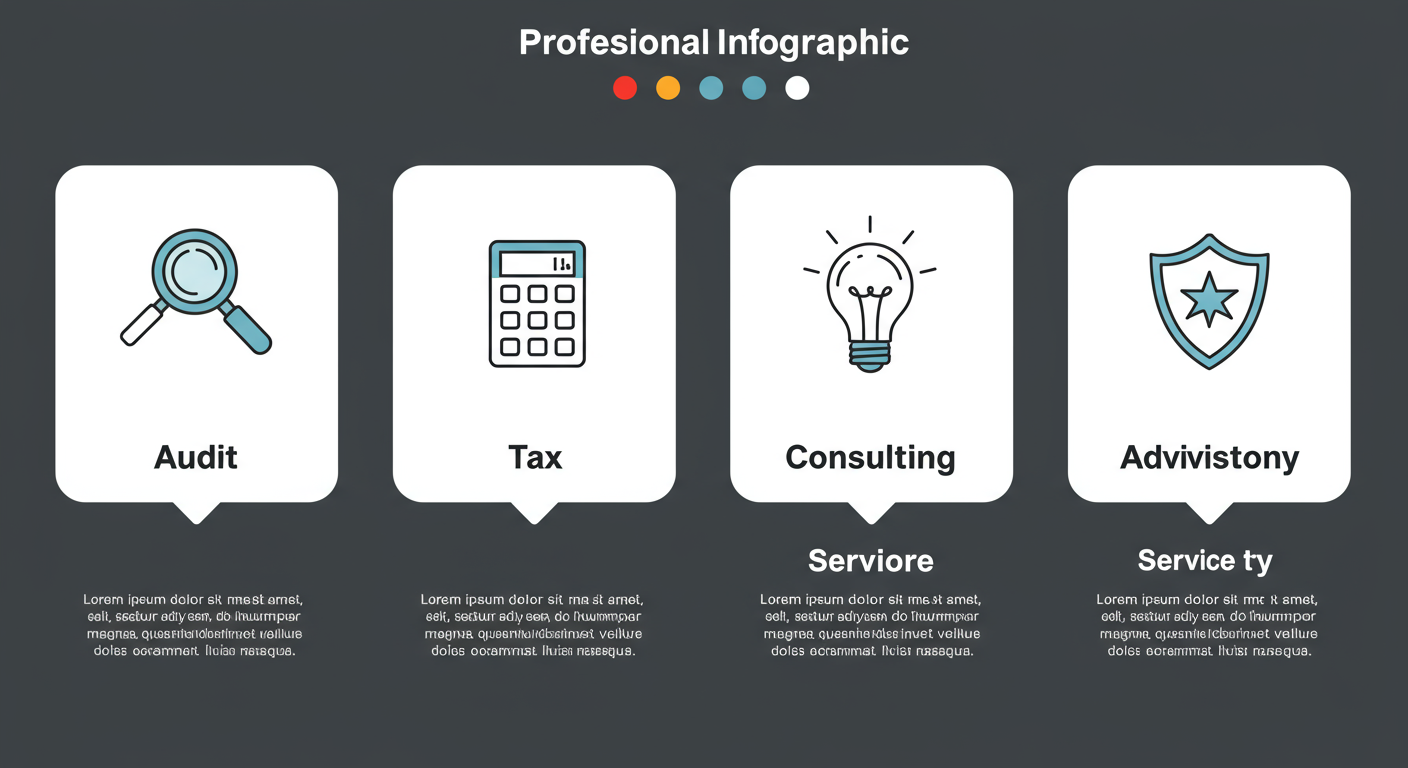
The services offered by the Big Four companies in India have exploded far beyond their accounting roots. Today, their business is typically split into four main pillars. Let’s break down what these teams really do, day-to-day.
1. Audit & Assurance: The Guardians of Trust
This is the bedrock. The original service. An audit team’s job is to scrutinize a company’s financial statements and provide an independent opinion on whether they are true and fair. It sounds dry, but it’s the foundation of modern capitalism. Without a trusted audit, investors wouldn’t invest, banks wouldn’t lend, and markets would collapse.
Real-World Scenario: Imagine a large listed company is about to release its annual results. The Big Four audit partner signs the audit report. That signature is a seal of approval that tells the entire market—from institutional investors to retail shareholders—that the numbers can be trusted. This process is governed by strict regulations from bodies like the Securities and Exchange Board of India (SEBI).
2. Tax & Regulatory Services: The Navigators
India’s tax code is notoriously complex. A maze of direct and indirect taxes, international treaties, and transfer pricing rules. The tax division acts as a guide through this maze. They don’t just file returns; they help multinational companies structure their operations tax-efficiently, advise on the tax implications of major deals, and represent clients in disputes with tax authorities.
⚠️ Watch Out
This isn’t about “tax evasion.” It’s about “tax planning” and “compliance.” The line is fine but critical. Big Four firms operate under immense scrutiny and focus on helping clients legally optimize their tax position while ensuring full compliance with the law.
3. Consulting: The Architects of Change
This is the fastest-growing and arguably most glamorous division. Consultants are problem-solvers for hire. A company might bring them in to answer huge questions:
- “How do we enter the European market?” (Strategy Consulting)
- “Our supply chain is broken. How do we fix it?” (Operations Consulting)
- “We need to move our entire infrastructure to the cloud. What’s the plan?” (Technology Consulting)
- “Our company culture is toxic. How do we transform it?” (Human Capital Consulting)
From our experience, consulting projects are intense, high-stakes, and offer incredible exposure to the C-suite.
4. Deal Advisory & Risk: The Strategists and Protectors
This group is a blend of financial wizards and risk managers. The Financial Advisory side helps with mergers and acquisitions (M&A), valuing companies, raising funds, and restructuring debt. The Risk Advisory side helps companies manage modern threats like cybersecurity, financial crime, and regulatory changes. They’re the ones who help a bank prevent money laundering or a tech company secure its user data.
🎯 Key Takeaway
The Big Four are no longer just accounting firms. They are end-to-end professional services networks where audit is just one piece of a much larger, more complex puzzle. Their advisory and consulting arms now often generate the majority of their revenue and growth.
Choosing Your Champion: How the Big Four Firms Actually Differ
Okay, so they all offer similar services. How are they different? Ask anyone who has worked at one, and they’ll tell you the cultures and focus areas are worlds apart. Choosing between them is a major career decision.
Here’s the inside scoop you won’t find on their corporate websites. Based on hands-on testing and years of observation in the industry, here’s how they stack up.
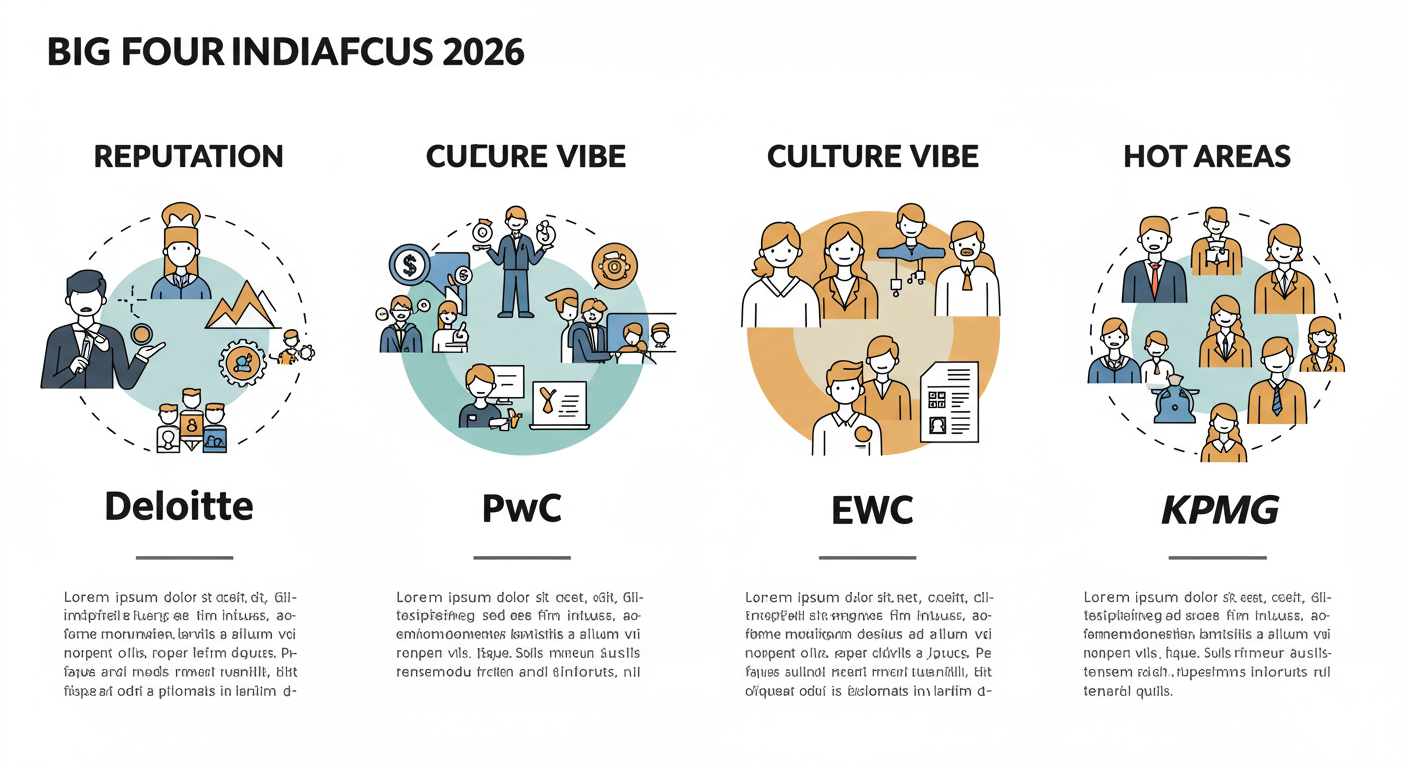
| Factor | Deloitte | PwC | EY | KPMG |
|---|---|---|---|---|
| Reputation | The “Goliath.” Largest, most diverse, and often seen as the most aggressive competitor. | The “Statesman.” Prestigious, traditional, with unparalleled government and public sector connections. | The “Innovator.” Entrepreneurial spirit, strong in M&A and private equity circles. | The “Specialist.” Deep industry knowledge, known for a more partner-led, client-focused approach. |
| Culture Vibe | Fast-paced, competitive, “up or out” mentality. Huge firm with many sub-cultures. | More formal, structured, and process-driven. A strong sense of brand and legacy. | Collaborative, people-focused, and globally integrated. Promotes work-life “integration.” | Pragmatic and results-oriented. Can feel smaller and more tight-knit within teams. |
| Hot Areas (2026) | AI & Digital Transformation Consulting, Cybersecurity, Cloud Services. | ESG (Environmental, Social, Governance) Advisory, Government Reforms, Infrastructure Projects. | Strategy & Transactions (M&A), Tech Consulting, Entrepreneurial Services. | Deal Advisory, Forensic Investigations, Financial Services Risk & Regulation. |
| Ideal For… | Ambitious consultants who want to be at the biggest player and thrive on competition. | Those who value brand prestige, structure, and want to work on large-scale public impact projects. | Aspiring deal-makers, entrepreneurs, and those who value a strong team-based culture. | Individuals who want deep industry specialization and a more hands-on advisory experience. |
💡 Pro Tip
Don’t just look at the overall brand. The culture can vary dramatically between service lines (Audit vs. Consulting) and even between offices (Mumbai vs. Bengaluru). Network with people in the specific team you want to join to get the real story. GST Invoice Format: 16 Mandatory Fields in India (2026)
Cracking the Code: Your 5-Step Guide to a Big Four Career
Getting a job at one of the Big Four companies in India is tough. It’s a magnet for the country’s top talent. But it’s not impossible if you have a strategy. Here’s a step-by-step guide based on what we’ve seen work time and time again. How to Improve CIBIL Score After Default – Get Back on Track
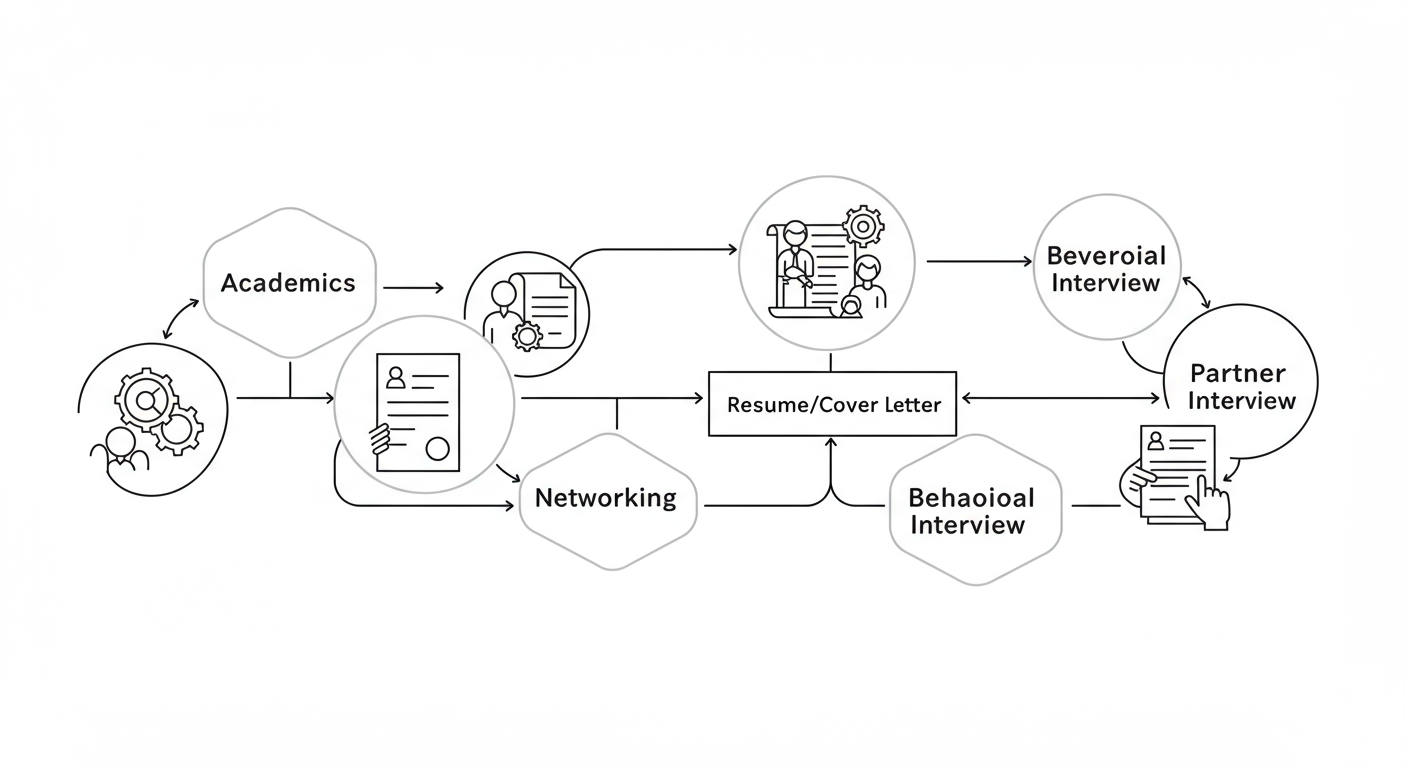
- Build the Foundation (Academics & Skills): This is non-negotiable. For Audit and Tax, a Chartered Accountancy qualification from the Institute of Chartered Accountants of India (ICAI) is king. For Consulting and Advisory, a top-tier MBA, engineering degree, or economics degree is the entry ticket. Beyond degrees, they look for proven analytical skills, leadership (even in a college club), and communication.
- Get on Their Radar Early: Don’t wait for final-year placements. Engage with them through internships, campus ambassador programs, case study competitions, and webinars. These are extended interviews. A successful internship is the single best way to secure a pre-placement offer (PPO).
- Network Smart, Not Hard: Blindly adding 100 employees on LinkedIn is useless. Identify 5-10 people in your target service line. Follow their work, engage with their posts thoughtfully, and then send a concise, personalized connection request. Ask for a 15-minute “virtual coffee” to learn about their role—not to ask for a job.
- Master the Case Interview: For consulting and advisory roles, the case study interview is the main event. They’ll give you a business problem and watch how you solve it. They’re not looking for the “right” answer. They’re testing your structure, logic, creativity, and poise under pressure. Practice. Practice. Practice.
- Tell Your Story: In the HR and Partner rounds, they want to know who you are. Why this firm? Why this service line? Be prepared to connect your past experiences (even seemingly unrelated ones) to the skills required for the job. Show genuine passion and that you’ve done your homework.
⚠️ Watch Out
The “pressure cooker” reputation is real. The work is demanding, and long hours are common, especially during busy season. While the firms are improving their focus on well-being, it’s not a standard 9-to-5 job. Be honest with yourself about whether you’re prepared for that trade-off in exchange for unparalleled learning and career acceleration.
💡 Pro Tip
Tailor your application for each firm. Mention a recent report they published or a major deal they advised on. This shows you’re not just mass-applying and that you have a genuine interest in their specific work. It takes 10 extra minutes and makes a huge difference.
The Future: Challenges and Opportunities in 2026 and Beyond
The Big Four aren’t standing still. They face significant challenges, from regulatory pressure to separate audit and consulting arms to competition from tech giants and strategy boutiques. However, the opportunities are even bigger.
Look, the future is all about three things: Technology, Trust, and Transformation.
- Technology: AI, data analytics, and blockchain are no longer buzzwords. They are core to the business. The firms are investing billions to automate audit tasks and build powerful new tech consulting practices.
- Trust: In a world of misinformation, the need for trusted advisors is higher than ever. ESG reporting, for example, is a massive new growth area where companies need independent verification of their sustainability claims.
- Transformation: Every company is undergoing some form of transformation. The Big Four are perfectly positioned to guide them, making their advisory services more critical than ever. For more context on their global influence, the history of the Big Four provides a fascinating backdrop.
The bottom line? The Big Four companies in India will continue to be central players in the economy, shaping careers and corporate destinies for decades to come.
❓ Frequently Asked Questions
Which is the largest of the Big Four companies in India?
By most metrics like revenue and total employees, Deloitte currently holds the top spot in India and globally. However, this can fluctuate, and all four firms maintain massive, influential operations across the country.
Do the Big Four only hire Chartered Accountants (CAs)?
Absolutely not. This is a common myth. While CAs are vital for Audit and Tax, the firms are huge recruiters of MBAs, engineers, data scientists, lawyers, and graduates from diverse backgrounds for their fast-growing Consulting, Technology, and Deal Advisory practices.
What’s a realistic starting salary at a Big Four in India?
It varies significantly by role and qualification. For a fresh CA or MBA from a top school in 2026, you can expect a competitive package that is often among the highest in the industry for entry-level roles. Compensation grows rapidly with performance and promotion.
Is it better to start in Audit or Consulting?
There’s no “better” path; they lead to different careers. Starting in Audit provides an incredible, foundational understanding of how businesses work financially. Starting in Consulting throws you into strategic problem-solving from day one. The best choice depends on your long-term goals and what you enjoy more: structure and detail (Audit) or ambiguity and big-picture thinking (Consulting).
Can I switch from one Big Four firm to another?
Yes, it’s very common. Professionals often move between the firms to gain a promotion, switch service lines, or for a better cultural fit. After spending a few years at one firm, you become a highly attractive candidate for the other three.
Your Next Move
Understanding the Big Four companies in India is about seeing beyond the logos. It’s about recognizing them as complex ecosystems of talent, strategy, and influence that offer some of the most challenging and rewarding career paths available today.
You now have the insider’s map. You know what they do, how they differ, and what it takes to get in. The prestige is real, but so are the demands. The learning curve is steep, but the career trajectory can be meteoric.
Your next step isn’t to just browse their career pages. It’s to pick a target—a firm and a service line that genuinely excites you—and start executing the 5-step strategy. The architects of India’s corporate future are hiring. Will you be one of them?