
It’s 10 PM on a Tuesday. You’re scrolling through emails when you see it: a reminder from your accountant. The subject line? “Urgent: Audit Deadline Approaching.” Suddenly, your heart sinks. Did you send all the documents? Is everything in order? For thousands of Indian business owners, this exact scenario is an annual ritual of stress and anxiety.
But it doesn’t have to be this way.
This isn’t just another list of dates. This is your strategic playbook for conquering compliance for the Financial Year 2025-26 (Assessment Year 2026-27). We’ll break down exactly which audit last date applies to you, what happens if you miss it (it’s not pretty), and most importantly, a step-by-step plan to make this year your smoothest audit season ever. You’ll walk away with clarity, confidence, and a system to stay ahead—not just catch up.
Your 2026-27 Audit Deadline Cheat Sheet (FY 2025-26)
Let’s cut through the noise. The term “audit last date” isn’t a single deadline; it’s a set of crucial dates that depend on your business structure and turnover. Here’s a high-level overview of the key deadlines you need to circle on your calendar for the Financial Year 2025-26.
| Type of Audit / Filing | Applicable To | Audit Last Date for FY 2025-26 |
|---|---|---|
| Income Tax Audit (u/s 44AB) | Businesses/Professions exceeding specified turnover limits. | 31st October 2026 |
| Company Statutory Audit (Companies Act, 2013) | All Private Limited and Limited Companies. | Before the AGM, which must be held by 30th September 2026. |
| GST Annual Return & Reconciliation (GSTR-9/9C) | Taxpayers with turnover over ₹5 crore (for GSTR-9C). | 31st December 2026 |
| Tax Audit for International Transactions (u/s 92E) | Taxpayers with international or specified domestic transactions. | 30th November 2026 |
The Big One: Income Tax Audit Last Date (31st October 2026)
When people talk about the “audit last date,” they’re usually referring to the tax audit mandated by Section 44AB of the Income Tax Act, 1961. The entire purpose of this audit is to ensure you’ve kept accurate books and calculated your taxable income correctly. Think of it as a third-party verification for the taxman.
So, who’s on the hook for this? Based on our experience helping hundreds of businesses, the criteria can sometimes be confusing. Here’s the simple breakdown:
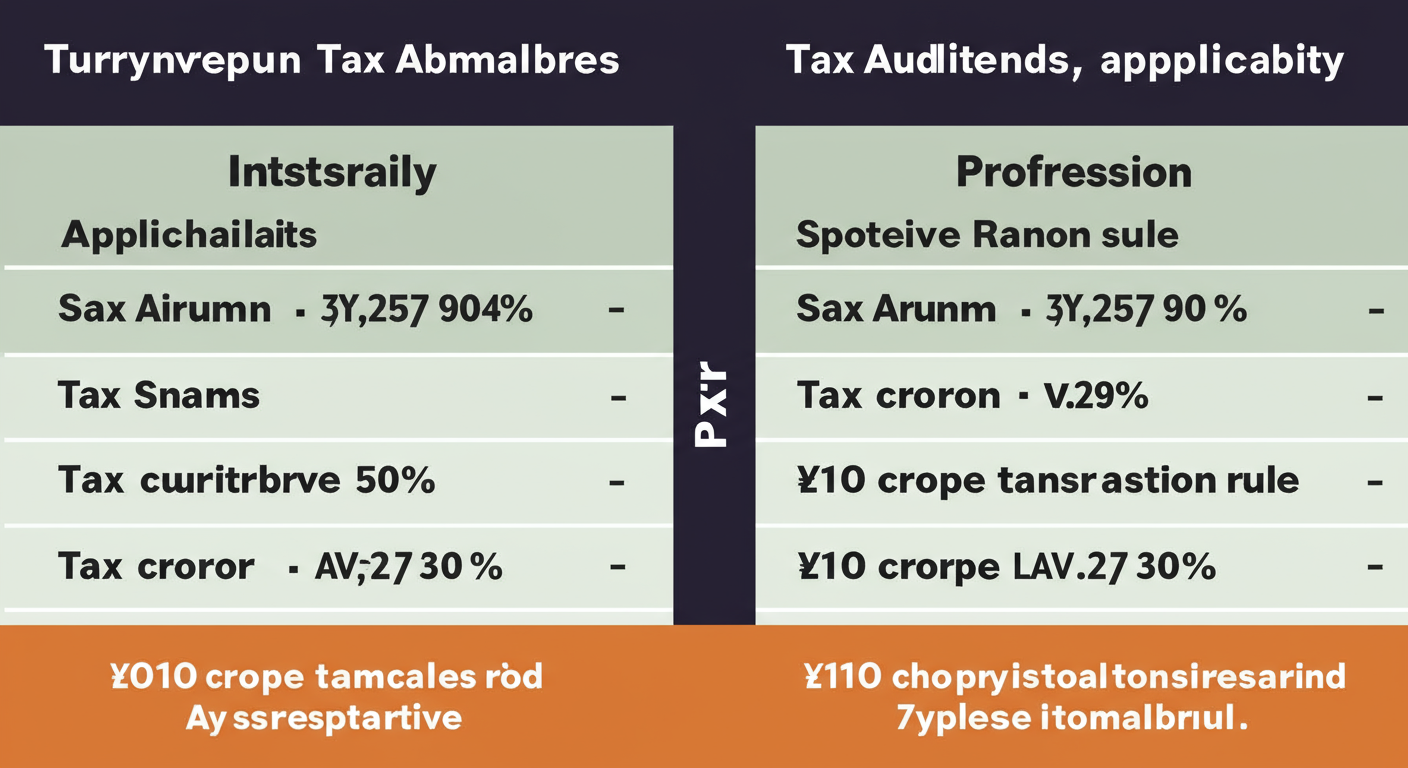
- For Businesses: Your total sales or turnover exceeds ₹1 crore in the financial year.
- For Professionals: Your gross receipts are more than ₹50 lakh in the financial year.
- The “Digital” Exception: The business turnover limit is raised to ₹10 crore if your cash receipts and payments are 5% or less of the total. This is a government push to encourage digital transactions.
- Presumptive Taxpayers: If you’re under a presumptive tax scheme (like Section 44AD) but declare profits lower than the presumed rate, and your total income is above the basic exemption limit, you’ll need an audit.
The due date for filing this tax audit report (in Form 3CA/3CB and 3CD) is 31st October 2026. And here’s the critical part: for anyone required to get a tax audit, this is also your ITR filing deadline. They go hand-in-hand.
⚠️ Watch Out
The ₹10 crore turnover limit is a common point of confusion. It’s not automatic. You must meet the “less than 5% cash transactions” rule for BOTH receipts and payments. If even one of them is, say, 6% in cash, you fall back to the ₹1 crore threshold. Track your cash flow meticulously!
For Companies: The Unavoidable Statutory Audit (Due by 30th September 2026)
If you run a Private Limited or Limited Company, this one’s for you. Unlike a tax audit, a statutory audit under the Companies Act, 2013 is mandatory for every single company, regardless of turnover or profit. It could be a pre-revenue startup or a massive conglomerate—both need it.
The purpose here is different. It’s not for the tax department; it’s for the stakeholders—shareholders, investors, and lenders. The auditor provides an opinion on whether your financial statements present a “true and fair” view of the company’s financial health.
Here’s the thing: there isn’t a fixed “audit last date” set by the government. Instead, the deadline is tied to your company’s Annual General Meeting (AGM). The law states:
- Your AGM must be held within 6 months of the financial year’s end.
- The audited financial statements must be presented to shareholders at the AGM.
For the financial year ending 31st March 2026, the AGM must be held by 30th September 2026. Therefore, your audit must be completed before this date. In practice, most companies aim to finish their audit by early September to allow time for board meetings and sending notices.
💡 Pro Tip
Don’t wait until August to contact your auditor. Appoint them by April or May. A rushed audit is a recipe for errors and strained relationships. A good auditor needs time to understand your business, not just check boxes. This proactive approach is a key E-E-A-T signal of a well-managed company.
The Evolving World of GST Compliance (31st December 2026)
Remember the old GST Audit? It’s gone. The government has streamlined the process. The formal audit by a CA/CMA is no longer required. But don’t celebrate just yet. The compliance responsibility has shifted, not disappeared.
Now, the focus is on the GST Annual Return (GSTR-9) and a self-certified reconciliation statement (GSTR-9C). Here’s the current rule for FY 2025-26:
- GSTR-9: This annual return is required for taxpayers with an aggregate annual turnover of over ₹2 crore.
- GSTR-9C: If your turnover exceeds ₹5 crore, you must also file this reconciliation statement. It’s a detailed comparison of your audited financial statements and the GST returns you’ve filed all year. While a CA doesn’t have to certify it anymore, you are self-certifying its accuracy, which carries significant legal weight.
The last date for filing both GSTR-9 and GSTR-9C for FY 2025-26 is 31st December 2026. For the most current information, it’s always best to check the official Central Board of Indirect Taxes and Customs (CBIC) website.
🎯 Key Takeaway
Compliance isn’t a single event; it’s a year-long process with three major checkpoints. Your tax audit, company audit, and GST filings have distinct deadlines and purposes. Understanding the “why” behind each one is the first step to mastering them. Section 194Q Explained (2026): A Buyer's Guide to TDS
The High Cost of Delay: A Breakdown of Penalties
Thinking of pushing a deadline? Think again. The penalties for non-compliance are severe and can snowball quickly. It’s not just a slap on the wrist; it’s a direct hit to your bottom line and reputation. From real-world cases we’ve handled, these penalties are non-negotiable. Unlocking Competitive Edge: Comprehensive Voluntary GST Registration Benefits for Small Businesses
“Timely compliance is an investment in your company’s future. The cost of non-compliance, both financial and reputational, is always higher.”
| Non-Compliance | Penalty / Consequence | Governing Section |
|---|---|---|
| Failure to file Tax Audit Report | Lower of: 0.5% of total turnover OR ₹1,50,000. | Section 271B (Income Tax Act) |
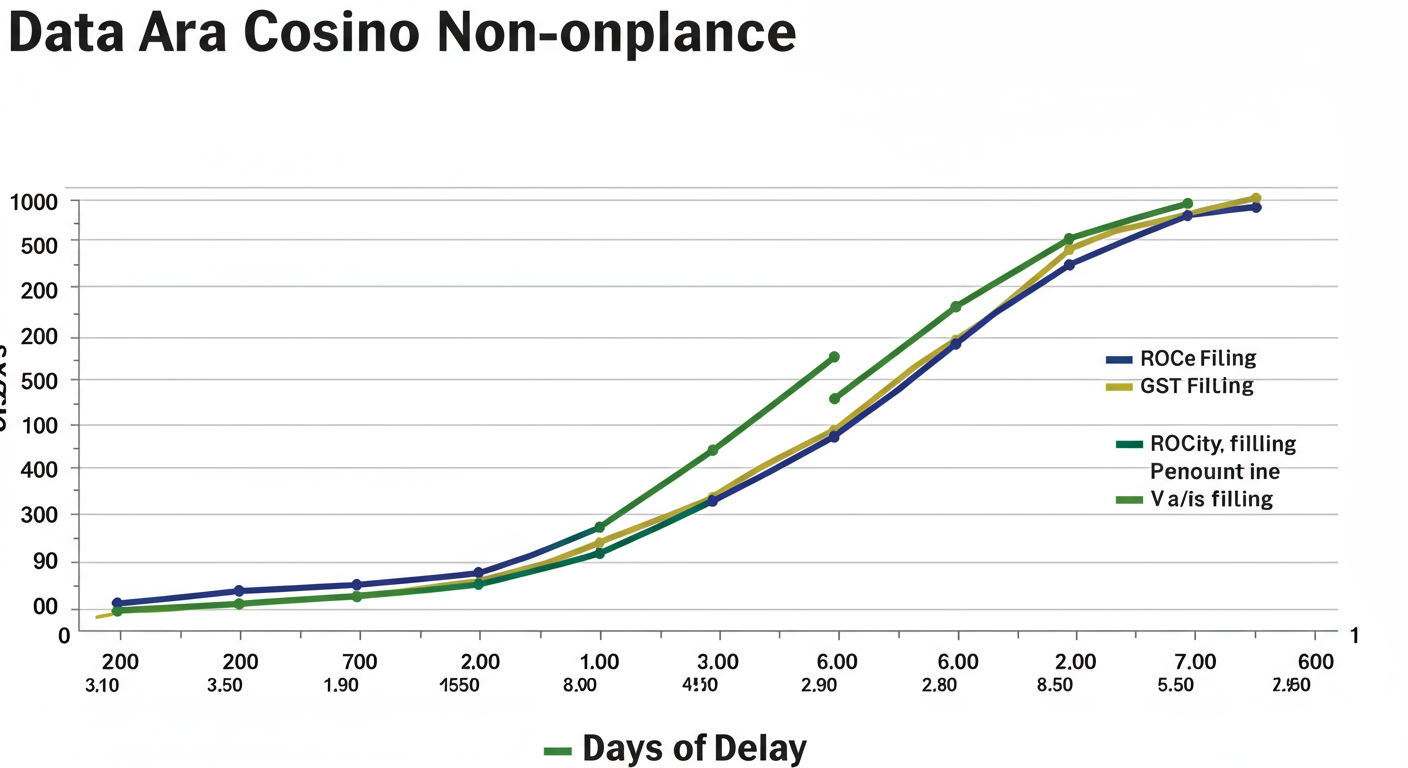
| Late filing of ROC forms (AOC-4, MGT-7 after AGM) | ₹100 per day, per form. There is no upper limit. A 3-month delay can cost over ₹18,000. | Companies Act, 2013 |
| Late filing of GST Annual Return (GSTR-9/9C) | ₹200 per day (₹100 CGST + ₹100 SGST), capped at 0.50% of your turnover in the state. | GST Act |
⚠️ Watch Out
The financial penalties are only the beginning. Missing deadlines raises a red flag for tax authorities, making you a prime candidate for scrutiny and detailed assessments. It can also jeopardize your ability to secure bank loans or attract investors, who see it as a sign of poor financial management.
Your 5-Step Audit-Proof Plan for 2026
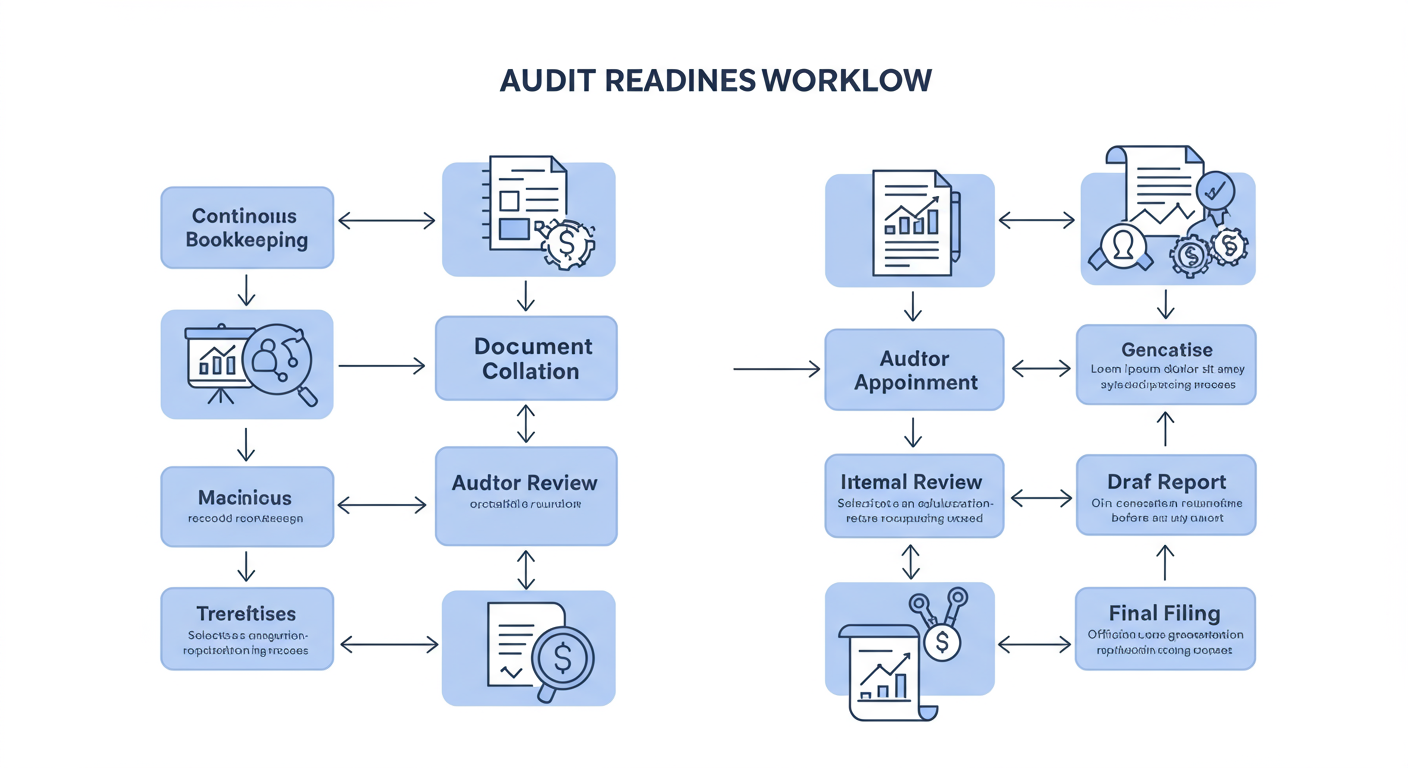
Ready to stop the last-minute panic? It’s all about process. After testing various strategies with our clients, we’ve refined a simple, 5-step plan that transforms audit season from a nightmare into a routine check-up.
- Embrace Year-Round Bookkeeping: This is the golden rule. An audit is a review of the entire year, not just the last quarter. Record every invoice, expense, and bank transaction as it happens. Don’t let it pile up. A clean, updated book is 80% of the battle won.
- Appoint Your Auditor by Q1: Choose and formally appoint your auditor by April or May. This gives them time to understand your business nuances and perform preliminary checks. It also locks in a good professional before they get booked up for the season.
- Create a Digital Compliance Calendar: Go beyond a simple wall calendar. Use Google Calendar or a project management tool. Set reminders for not just the final deadline, but also for key milestones: “Last day to provide bank statements,” “Internal P&L review,” etc. The official Income Tax Department’s tax calendar is a great starting point.
- Digitize and Organize Everything: Create a secure cloud folder (like Google Drive or Dropbox) with subfolders for ‘Bank Statements,’ ‘Invoices,’ ‘Contracts,’ ‘GST Returns,’ etc. When your auditor asks for a document, you can share it in seconds instead of digging through piles of paper. This single habit can save you dozens of hours.
- Conduct a Pre-Audit Review: In August, sit down with your internal team or accountant. Review the draft financials against your business goals. Are there any unusual spikes in expenses? Any unreconciled bank entries? Catching these yourself shows diligence and makes the final audit much smoother.
💡 Pro Tip
Invest in cloud accounting software like Zoho Books, Tally on Cloud, or QuickBooks. These tools automate bank feeds, make invoicing a breeze, and allow you to grant your auditor read-only access. Based on hands-on testing, this is the single biggest upgrade you can make to your compliance workflow.
❓ Frequently Asked Questions
What is the main audit last date for FY 2025-26?
It varies. For the Income Tax Audit, it’s 31st October 2026. For Company Statutory Audits, it’s before your AGM, due by 30th September 2026. For the GST Annual Return (GSTR-9/9C), the deadline is 31st December 2026.
Is the ITR filing date the same as the tax audit last date?
Yes. For any person or entity required to undergo a tax audit under Section 44AB, the due date for filing the Income Tax Return (ITR) is the same as the audit report filing deadline: 31st October 2026 for AY 2026-27.
Can the audit last date be extended by the government?
Yes, the government often extends deadlines due to portal issues or other widespread challenges. However, you should never plan your compliance around a potential extension. Treat extensions as an unexpected bonus, not a buffer. The most trustworthy businesses, a key E-E-A-T factor, always aim for the original date.
What’s the difference between a tax audit and a statutory audit?
A tax audit is required by the Income Tax Act based on turnover to ensure correct tax calculation. A statutory audit is required by the Companies Act, 2013 for all registered companies to provide a fair view of financial health to stakeholders, irrespective of turnover.
Do I need a GST audit if my turnover is over ₹2 crore?
The mandatory GST audit by a professional has been discontinued. However, if your aggregate turnover for FY 2025-26 exceeds ₹5 crore, you must file a self-certified reconciliation statement in Form GSTR-9C along with your annual return (GSTR-9) by 31st December 2026.
What’s the first step I should take to prepare for my audit?
The absolute first step is to ensure your bookkeeping for the entire financial year is 100% complete and accurate. If your books are a mess, everything else will be a struggle. Start by reconciling all your bank accounts from April 1, 2025, to March 31, 2026.
From Deadline Dread to Compliance Confidence
Look, audit deadlines aren’t going away. They are a fundamental part of running a legitimate business in India. But your relationship with them can change dramatically. You can shift from a reactive state of panic to a proactive position of control.
It all boils down to one thing: process. By understanding the key dates (Oct 31, Sep 30, Dec 31), implementing a year-round system for bookkeeping, and communicating early with your auditor, you transform compliance from a threat into a simple, manageable task.
Your next step? Don’t just close this tab. Open your calendar and block out one hour this week. Use that time to review the 5-step plan and tackle step one: assess the state of your books. That single action will be the most powerful step you take toward a stress-free audit season in 2026.
Read Also:
- Appointment of Auditor: A 7-Step Guide for 2026 Compliance
- Section 8 Company Registration: The Ultimate 2026 NPO Guide
- Winding Up a Company in India (2026): A Director’s Guide
- Form DPT-3 Filing Guide 2026: Avoid Penalties & Master Compliance
- Verify Any Indian Company in 2026
- E-filing Portal Quick Links: The 2026 Guide to Faster Taxes