
You’ve got the idea. The one that keeps you up at night. The business plan is sketched out on a dozen napkins, and the fire in your belly is real. But what’s the first, tangible step that turns a brilliant concept into a legitimate business? It’s not the logo or the website. It’s the company registration in India.
Think of it as the birth certificate for your business. It’s the official act that gives your venture its own legal identity, shielding you from personal liability and opening doors to funding, talent, and trust.
But let’s be honest, the process can feel like a maze of acronyms—DSC, DIN, SPICe+, RoC. It’s enough to make any founder’s head spin. That’s why we built this guide. Forget the dense legal jargon. We’re going to walk you through the entire process, step-by-step, based on our hands-on experience helping hundreds of startups launch. You’ll learn exactly what to do, what to avoid, and how to get it done right the first time.
Why Bother? The Real-World Benefits of Company Registration
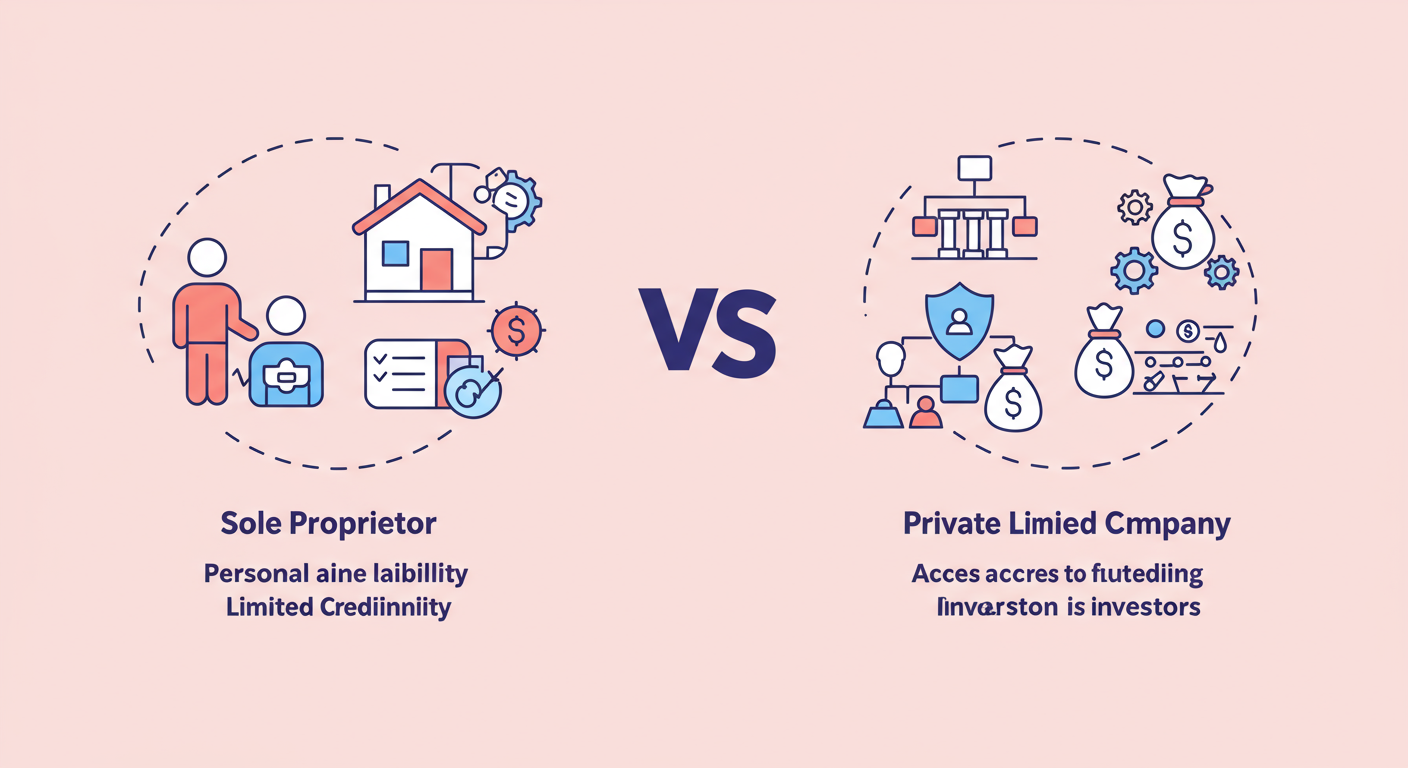
Some entrepreneurs flirt with the idea of just operating as a sole proprietor. It seems easier, right? No paperwork, no fuss. But trust me on this one, it’s a dangerously short-sighted strategy. Proper company registration isn’t just a bureaucratic hoop to jump through; it’s the single most important strategic decision you’ll make in your first month.
Here’s why it’s a non-negotiable:
- The Liability Shield: This is the big one. Imagine your business faces an unexpected debt or lawsuit. As a registered company (like a Pvt. Ltd. or LLP), the business is liable, not you. Your personal assets—your home, your car, your savings—are protected. Without this shield, everything you own is at risk. It’s that simple.
- Credibility is Currency: When you approach a potential client, investor, or even a key employee, what looks more professional? “Rohan’s Web Services” or “Innovate Web Solutions Pvt. Ltd.”? The official suffix builds instant trust and signals that you’re serious.
- Unlocking Funding: Angel investors and Venture Capitalists don’t write checks to individuals. They invest in scalable, structured entities. A registered company provides a clear framework for equity, governance, and financial oversight, making you an “investable” business.
- Built to Last (Perpetual Succession): A company is a separate legal entity. It doesn’t cease to exist if a founder leaves or passes away. Ownership can be transferred through shares, ensuring the business—and your legacy—can continue for generations.
Choosing Your Armor: Pvt. Ltd. vs. OPC vs. LLP
The first crucial choice in your company registration in India journey is picking the right business structure. This decision impacts your liability, taxes, compliance burden, and ability to raise funds. Don’t just pick one at random. Let’s break down the most common options for startups in 2026.
| Feature | Private Limited (Pvt. Ltd.) | One Person Company (OPC) | Limited Liability Partnership (LLP) |
|---|---|---|---|
| Best For | Startups aiming for high growth, seeking equity funding, and building a scalable team. | Solo founders and consultants who want limited liability without the complexity of a full board. | Professional services (CAs, lawyers, architects) and businesses where operational flexibility is key. |
| Members Required | Min. 2 Directors, Min. 2 Shareholders (can be the same people). Max 200 shareholders. | 1 Director/Shareholder. Must appoint a nominee. | Min. 2 Designated Partners. No upper limit on partners. |
| Liability | Limited to the unpaid value of shares. Personal assets are protected. | Limited. Personal assets are protected. | Limited to the agreed contribution. Partners are not liable for each other’s negligence. |
| Investor Friendliness | Very High. The preferred structure for VCs and angel investors due to easy ESOPs and share issuance. | Low. Must convert to a Pvt. Ltd. to raise equity funding. | Moderate. Funding is possible, but the process is more complex than for a Pvt. Ltd. |
| Compliance Burden | High (Board meetings, statutory audits, extensive MCA filings). | Moderate (Fewer compliance requirements than a Pvt. Ltd.). | Low to Moderate (No mandatory statutory audit unless turnover exceeds ₹40 Lakhs). |
💡 Pro Tip
For over 90% of tech startups and ambitious new ventures, the Private Limited Company is the gold standard. While the compliance is higher, the unparalleled access to funding and the ease of granting employee stock options (ESOPs) make it the most scalable structure from day one.
The 7-Step SPICe+ Process: Your Path to Incorporation
Thanks to the Ministry of Corporate Affairs (MCA), the days of endless physical paperwork are over. The entire process is now managed through a single, integrated web form called SPICe+ (Simplified Proforma for Incorporating Company Electronically Plus). Here’s the step-by-step breakdown.
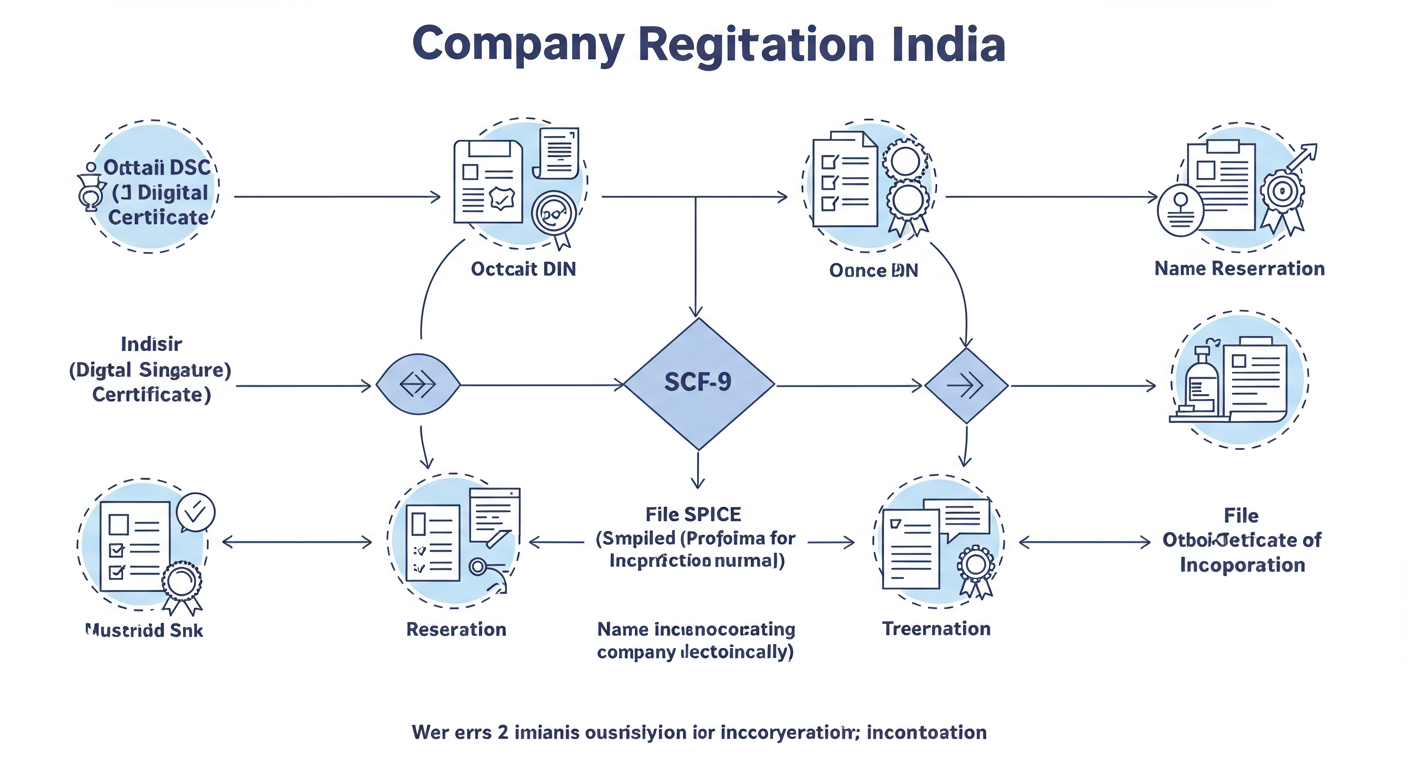
- Obtain Digital Signature Certificate (DSC): A DSC is your digital key, used to sign electronic forms. All proposed directors need a Class-3 DSC. You can get this from certified agencies online. It’s the very first thing you need to do.
- Apply for Director Identification Number (DIN): Every director needs a unique DIN. The good news? This is no longer a separate step. You can apply for DIN for up to three directors directly within the SPICe+ form itself.
- Reserve Your Company Name (Part A): Your name is your identity. It must be unique and not sound like an existing company or trademark. You’ll file ‘SPICe+ Part A’ on the MCA portal. After testing hundreds of name applications, we recommend submitting two distinct options to improve your chances of a quick approval.
- Draft the MoA and AoA: These are your company’s constitutional documents.
- Memorandum of Association (MoA): Defines what your company will do (its objectives and business activities). Be specific!
- Articles of Association (AoA): Defines how your company will be run (internal rules for directors, shares, meetings, etc.).
- File the Main SPICe+ Form (Part B): This is the core of the application. This single form handles company incorporation, DIN allotment, and applications for PAN, TAN, GSTIN, EPFO, ESIC, and even a bank account through the linked AGILE-PRO-S form. It’s a massive efficiency gain.
- Scrutiny and Certificate of Incorporation (COI): Once submitted, the Registrar of Companies (RoC) reviews your application. If all documents are correct, they’ll approve it and issue the COI. This is your company’s official birth certificate! You’ll receive the COI, PAN, and TAN via email.
- Handle Immediate Post-Incorporation Tasks: You’re not done yet! This is critical. Within 180 days, you MUST:
- Open a corporate bank account.
- Deposit the initial share capital from the shareholders into this account.
- File Form INC-20A (Declaration of Commencement of Business).
⚠️ Watch Out
Do NOT miss the 180-day deadline for filing Form INC-20A. We’ve seen new companies face hefty penalties and even get struck off the register for this oversight. Set a calendar reminder the day you receive your COI. It’s a simple form, but the consequences of forgetting it are severe.
Budget and Timeline: What to Realistically Expect in 2026
Let’s talk brass tacks. How much does it cost, and how long does it take? The cost can be broken down into government fees and professional fees. The timeline depends heavily on government processing times and the accuracy of your application.
“An investment in knowledge pays the best interest.” – Benjamin Franklin. This applies perfectly to understanding the costs before you start.
| Expense / Task | Estimated Cost (INR) | Estimated Timeline |
|---|---|---|
| Digital Signature Certificate (DSC) | ₹1,000 – ₹2,000 per director | 1-2 working days |
| Name Reservation (RUN/Part A) | ₹1,000 (Govt. Fee) | 2-3 working days |
| Stamp Duty | Varies by state (e.g., ₹200 in Delhi, higher in Maharashtra) | N/A (Part of filing) |
| Incorporation Filing Fees (SPICe+) | Zero for companies with authorized capital up to ₹15 Lakhs. | 3-5 working days (after name approval) |
| Professional Fees | ₹5,000 – ₹15,000+ (Depends on the firm/CA) | N/A |
| Total Estimated Cost | ₹8,000 – ₹20,000 | Total: 7-12 working days |
⚠️ Watch Out
Beware of services offering “₹999 Company Registration.” These often hide costs like DSC fees, stamp duty, and professional charges for post-incorporation compliance. A realistic budget for a smooth, end-to-end process is closer to the range mentioned above. Trustworthiness matters more than a rock-bottom price.
Common Pitfalls That Can Derail Your Registration
Based on real-world campaigns, we see the same mistakes trip up founders again and again. Avoid these, and you’ll be ahead of the curve.
1. Name Rejection: This is the #1 cause of delays. Your proposed name might be too generic (“India Web Solutions”), phonetically similar to another company (“Flipday” vs. “Flipkart”), or violate trademark laws. Always perform a thorough search on both the Companies Act, 2013 governed MCA portal and the public trademark registry before applying.
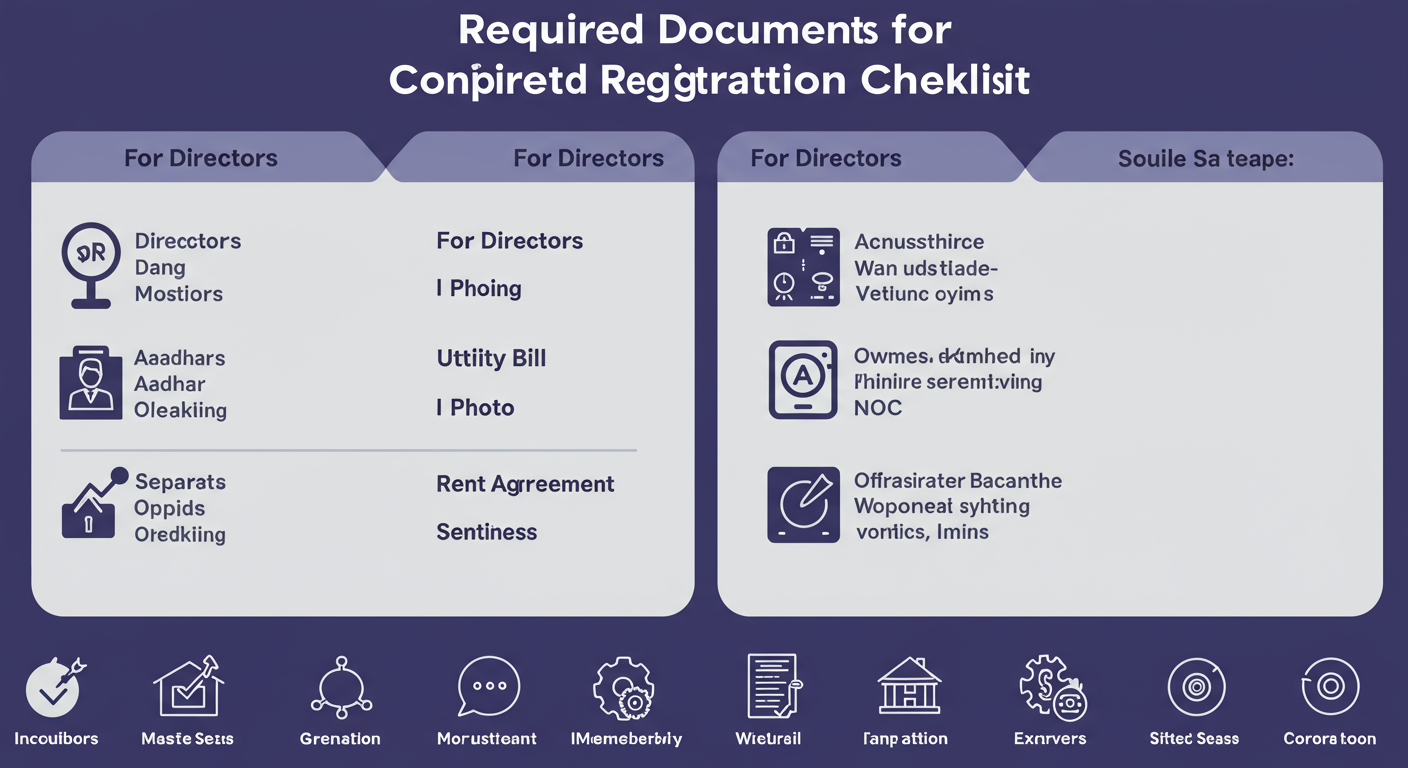
2. Document Mismatches: The name on your PAN card must exactly match the name on your Aadhar card and bank statement. No “S. Kumar” on one and “Suresh Kumar” on another. The address proof must be recent (less than 2 months old). These tiny details can cause your application to be sent back for resubmission, wasting valuable time.
3. Vague Object Clause (MoA): Don’t write “to engage in IT business” in your Memorandum of Association. The RoC will reject it for being too vague. Be specific: “To provide software development, web design, and digital marketing consultancy services.” Clearly define your primary business activities.
💡 Pro Tip
When drafting your MoA, think about your 5-year vision. While you need a specific main object, you can also include related ancillary objects. For example, if your main object is selling organic coffee, an ancillary object could be “to conduct workshops on coffee brewing.” This gives you future flexibility without needing to amend the MoA later.
🎯 Key Takeaway
Company registration is not the finish line; it’s the starting gun. The real work of building a compliant and successful business begins after you receive your Certificate of Incorporation. Prioritize post-incorporation tasks like opening a bank account and filing Form INC-20A immediately.
❓ Frequently Asked Questions
Can I really register a company from my home?
Yes, 100%. The entire process is online. From getting your DSC to filing the final forms on the MCA portal, you don’t need to visit a single government office. You can coordinate with a professional (like a CA or CS) entirely over email and phone.
What’s the minimum money I need to start a Private Limited Company?
Technically, there is no minimum capital requirement anymore. You could start with an authorized capital of ₹1,00,000 and a paid-up capital of just ₹10,000. From our experience, this is a common and perfectly acceptable starting point for most new businesses.
Do I need a fancy commercial office?
No, you don’t. You can absolutely use your home address as the company’s registered office. The only requirement is that you have a No Objection Certificate (NOC) from the property owner (even if it’s you or a family member) and a recent utility bill as proof of address.
How long is the company registration valid for?
Forever! A company has what’s called ‘perpetual succession.’ As long as you meet your annual compliance obligations—like filing your annual return and financial statements with the RoC each year—your company’s registration remains valid for its entire lifetime.
What’s the difference between a Director and a Shareholder?
It’s a simple but important distinction. Directors manage the company; they are responsible for the day-to-day operations and strategic decisions. Shareholders own the company; they hold shares that represent their ownership stake. In most startups, the founders are both directors and shareholders.
From Idea to Incorporation: Your Legacy Starts Now
Navigating the company registration in India process is your first major act as a founder. It’s the moment your idea puts on its formal attire and steps onto the world stage. While the SPICe+ system has made things more efficient, it still demands precision and attention to detail.
By choosing the right structure, preparing your documents meticulously, and understanding the step-by-step procedure, you can avoid common delays and set a solid legal foundation for your venture. This initial investment of time and resources is repaid tenfold in limited liability, brand credibility, and the ability to attract capital—key ingredients for success in a thriving economy, a fact underscored by institutions like the World Bank which see streamlined business formation as a vital economic indicator.
Your journey is just beginning. Get this foundational step right, and you’ll be well on your way to building not just a company, but a legacy.