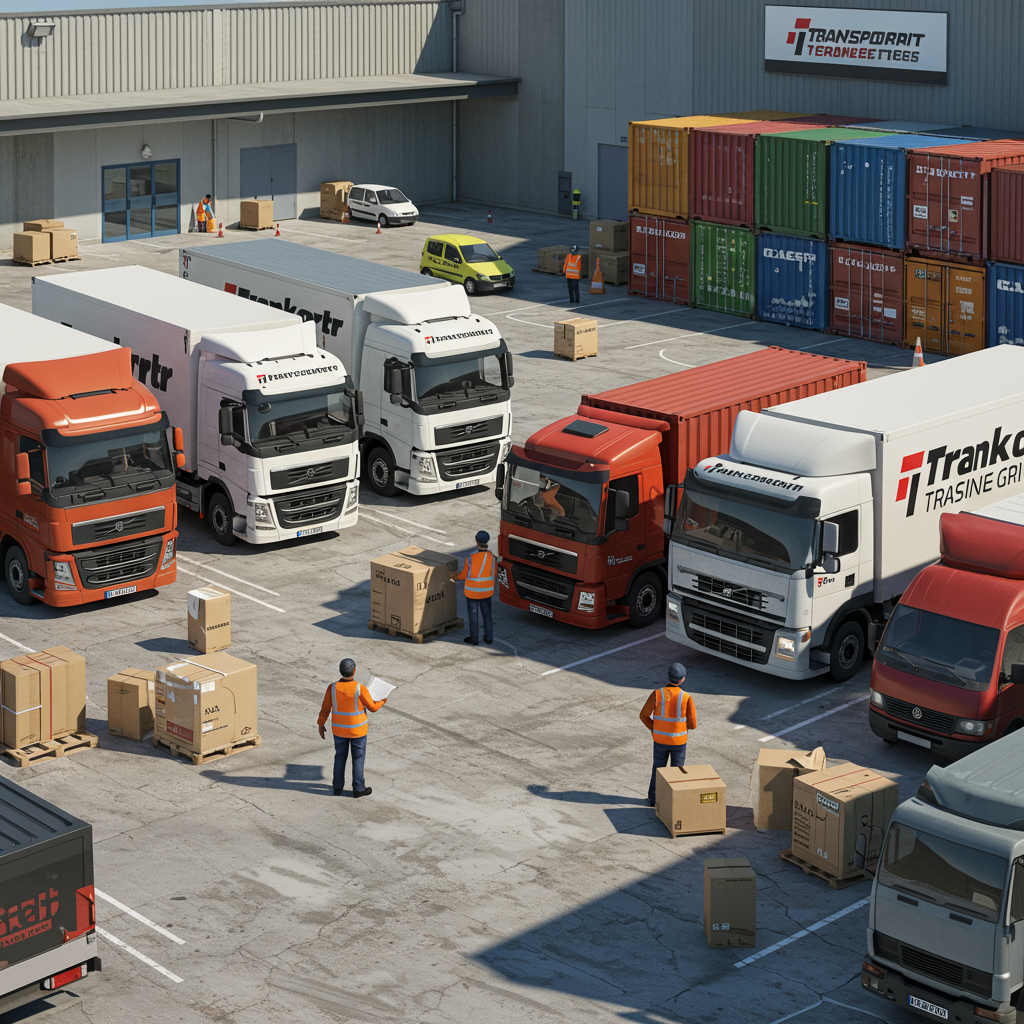
Forget the 9-to-5 grind. Every single day, over 11 billion tons of freight move across the country, and someone is getting paid for every single mile. What if that someone was you?
Starting a transport business isn’t just about buying a truck; it’s about tapping into the literal lifeblood of the economy. But let’s be honest: most guides give you a generic checklist that sounds good but falls apart in the real world. They don’t prepare you for the brutal realities of fuel costs, razor-thin margins, and cutthroat competition.
This is different. This is your battle-tested blueprint. I’ve seen entrepreneurs succeed wildly and others fail spectacularly. The difference is almost always in the planning.
By the end of this article, you won’t just have a list of steps. You’ll have a strategic framework to build a resilient, profitable, and scalable transport company from the ground up. Let’s get rolling.
Step 1: Choose Your Battlefield — Picking a Profitable Niche
Before you even think about a business loan or a truck, you need to decide what you’ll be moving. “General freight” is not a niche; it’s a recipe for getting crushed by established giants. Specialization is your secret weapon. It allows you to command higher rates, build a reputation, and market yourself effectively.
Think of it this way: are you the general family doctor, or are you the heart surgeon? Both are valuable, but the surgeon faces less competition and earns significantly more per job. In our experience, the most successful startups pick a lane and dominate it.
Here’s a breakdown of the most common transport niches to help you decide:
| Transport Niche | Startup Cost | Profit Margin | Competition | Best For… |
|---|---|---|---|---|
| Last-Mile Delivery | Low | Low-Medium | Very High | Entrepreneurs wanting to partner with e-commerce giants using smaller vans. |
| LTL (Less-Than-Truckload) | Medium | Medium | High | Operators who can build a network of local clients with smaller, regular shipments. |
| FTL (Full Truckload) | High | Medium-High | High | Those with capital for semi-trucks, focusing on long-haul, single-client loads. |
| Specialized Hauling | Very High | Very High | Low-Medium | Experts willing to invest in reefer, flatbed, or hazmat equipment and training. |
💡 Pro Tip
Don’t just look at profit margins. Talk to people. Spend a week calling local manufacturers, construction companies, and distributors. Ask them: “What’s your biggest shipping headache?” Their answers are pure gold and will point you directly to an underserved market in your area.
Step 2: Draft Your Blueprint for Success (The Business Plan)
I know, I know. Writing a business plan feels like homework. But trust me on this one: a well-researched plan isn’t just a document for bankers; it’s your strategic compass. It forces you to answer the tough questions before you’ve sunk your life savings into a depreciating asset.
Your business plan must be a living document, not a dusty file. It should include:
- Executive Summary: A one-page elevator pitch. If it doesn’t grab you, it won’t grab an investor.
- Services Offered: Get specific. Not “trucking,” but “temperature-controlled LTL transport for local food distributors.” See the difference?
- Market Analysis: Who are your top three competitors? What are their rates? What are their weaknesses? How will you be better?
- Marketing & Sales Plan: How will you get your first ten paying clients? Load boards? Cold calling? Networking? Be realistic.
- Financial Projections: This is the heart of it. Project your startup costs, fixed costs (insurance, loan payments), variable costs (fuel, maintenance), and expected revenue for the first 36 months. Be brutally conservative with your revenue and pessimistic with your costs.
⚠️ Watch Out
The single biggest mistake new owner-operators make is underestimating cash flow needs. You’ll pay for fuel, insurance, and repairs today, but you might not get paid by your client for 30, 60, or even 90 days. Your business plan MUST account for at least 3-6 months of operating expenses in cash reserves.
Step 3: Get Legit — Legal Structure, Registration, and Permits
This is the part that makes most people’s eyes glaze over, but ignoring it can kill your business before it even starts. Getting your legal house in order protects you from personal liability. If something goes wrong, you want them suing the company, not taking your house.
Here’s your action plan:
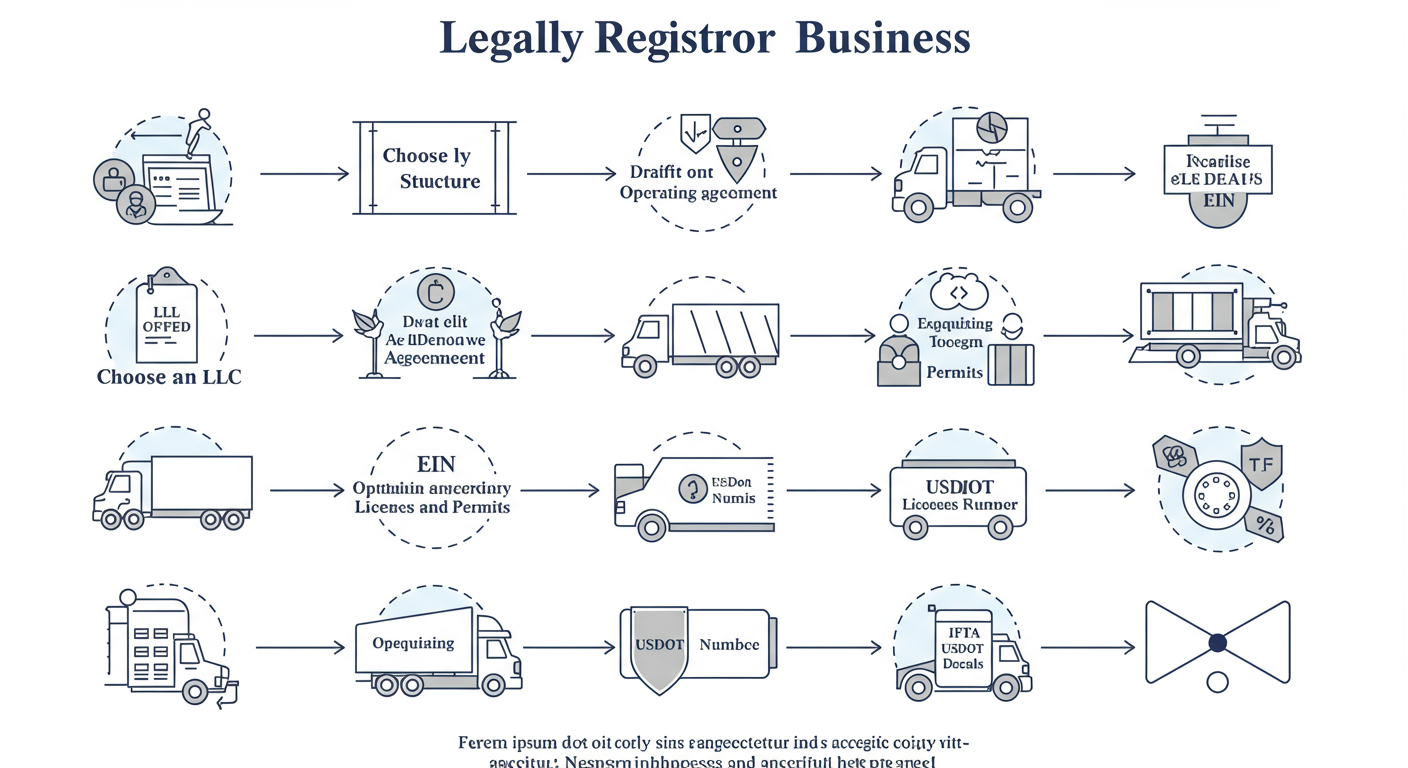
- Choose a Business Structure: A Sole Proprietorship is easy but offers no liability protection. An LLC (Limited Liability Company) is often the best choice for new transport businesses. It separates your personal assets from your business debts. According to the U.S. Small Business Administration, this is a critical first step in managing risk.
- Register Your Business: This includes registering your business name and getting a federal Employer Identification Number (EIN), which is like a Social Security number for your company.
- Get Your Operating Authority: You can’t legally transport goods for hire without it. You’ll need to file for a Motor Carrier (MC) number and a USDOT number with the Federal Motor Carrier Safety Administration (FMCSA).
- Secure Necessary Permits: This can include IFTA (International Fuel Tax Agreement) decals for interstate travel and any state-specific permits.
Step 4: Secure Funding and Procure Your Fleet
A transport business is capital-intensive. Your trucks and trailers are your revenue-generating assets, but they cost a fortune. Unless you’re sitting on a pile of cash, you’ll need to explore funding options.
Here’s how your main options stack up:
| Funding Option | Pros | Cons | Best For… |
|---|---|---|---|
| SBA Loans | Favorable terms, lower down payments. | Lengthy application process, strict requirements. | Entrepreneurs with a stellar business plan and good credit. |
| Equipment Financing | Easier to qualify for than traditional loans; the truck is the collateral. | Higher interest rates; you only get funding for the equipment itself. | Quickly acquiring a truck or trailer with less upfront cash. |
| Vehicle Leasing | Low initial cost, often includes maintenance. | Higher long-term cost, no equity, mileage restrictions. | Testing the waters or when you need a new vehicle without a huge capital outlay. |
| Personal Savings | Full control, no debt. | High personal risk; you could lose everything. | Starting small (e.g., one cargo van) without taking on debt. |
⚠️ Watch Out
Buying a cheap, used truck can feel like a smart move. It’s often not. Based on hands-on testing and fleet data, unexpected maintenance on an older truck can destroy your profitability. A single major engine repair can cost $20,000+. Sometimes, paying more for a newer, warrantied truck with better fuel efficiency is the cheaper option in the long run.
Step 5: Insure Everything and Build Your Team
Insurance in the trucking industry isn’t just a good idea; it’s a legal requirement and your financial lifeline. One accident without proper coverage is a guaranteed bankruptcy. Don’t skimp here. Ever.
You’ll need a suite of policies:
- Primary Auto Liability: The legal minimum. Typically $750,000 to $1,000,000 coverage.
- Cargo Insurance: Protects the value of the goods you’re hauling. Shippers won’t work with you without it.
- General Liability: Covers non-driving accidents, like a client slipping at your office.
Once you’re insured, you need a driver. If that’s not you, hiring is your most important job. A great driver is efficient, safe, and professional. A bad driver will cost you money in accidents, tickets, and lost clients. Conduct thorough background checks, check their driving record (MVR), and prioritize experience.
🎯 Key Takeaway
Your success in the transport business hinges on two things: specialization and financial discipline. Choose a niche you can dominate, and manage your cash flow with extreme prejudice. Everything else is just execution. The Ultimate Guide to Freelancer Income Tax India: 7 Steps to Save Money in 2024
Step 6: Embrace Technology for a Competitive Edge
You can’t run a modern logistics business with a paper map and a flip phone. Technology is the great equalizer that allows small operators to compete with large fleets. A modest investment in the right software pays for itself almost immediately in fuel savings, efficiency, and client satisfaction. FSSAI Registration Online 2024: Easy Food Licensing
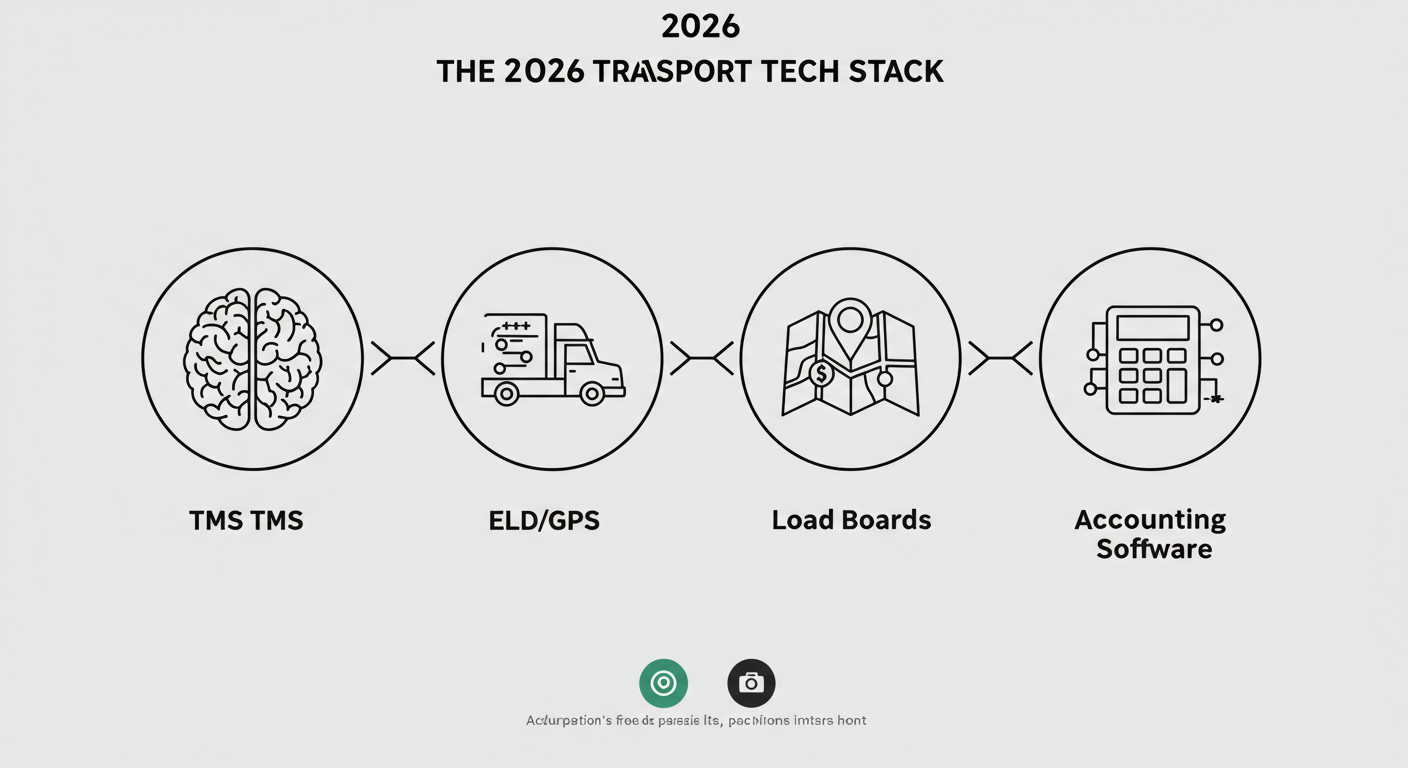
Here’s your essential tech stack for 2026:
- Transportation Management System (TMS): This is your operational brain. A good TMS helps you manage loads, dispatch drivers, handle billing, and track profitability all in one place.
- ELD/GPS Tracking: An Electronic Logging Device (ELD) is federally mandated for most commercial trucks to track hours of service. Most ELDs come with GPS, which is critical for real-time tracking, route optimization, and monitoring driver behavior (like speeding or harsh braking).
- Load Boards: Digital marketplaces like DAT and Truckstop are essential for finding your first loads. They connect you with thousands of shippers and brokers who need trucks.
- Accounting Software: Something like QuickBooks or Xero is non-negotiable for managing invoices, tracking expenses, and not having a panic attack during tax season.
Step 7: Find Clients and Price Your Services to Win
You’re legal, funded, and insured. Now for the million-dollar question: how do you get paid?
Finding clients is a hustle. Start with the low-hanging fruit:
- Use Load Boards: This is where most new carriers start. It’s transactional, but it gets your wheels moving and cash flowing.
- Direct Outreach: Identify 20 local companies that ship products matching your niche. Find their logistics manager on LinkedIn. Call them. Email them. Offer a competitive rate for their most problematic lane. Be persistent.
- Build a Simple Website: A professional one-page website with your services, service area, and contact info builds instant credibility.
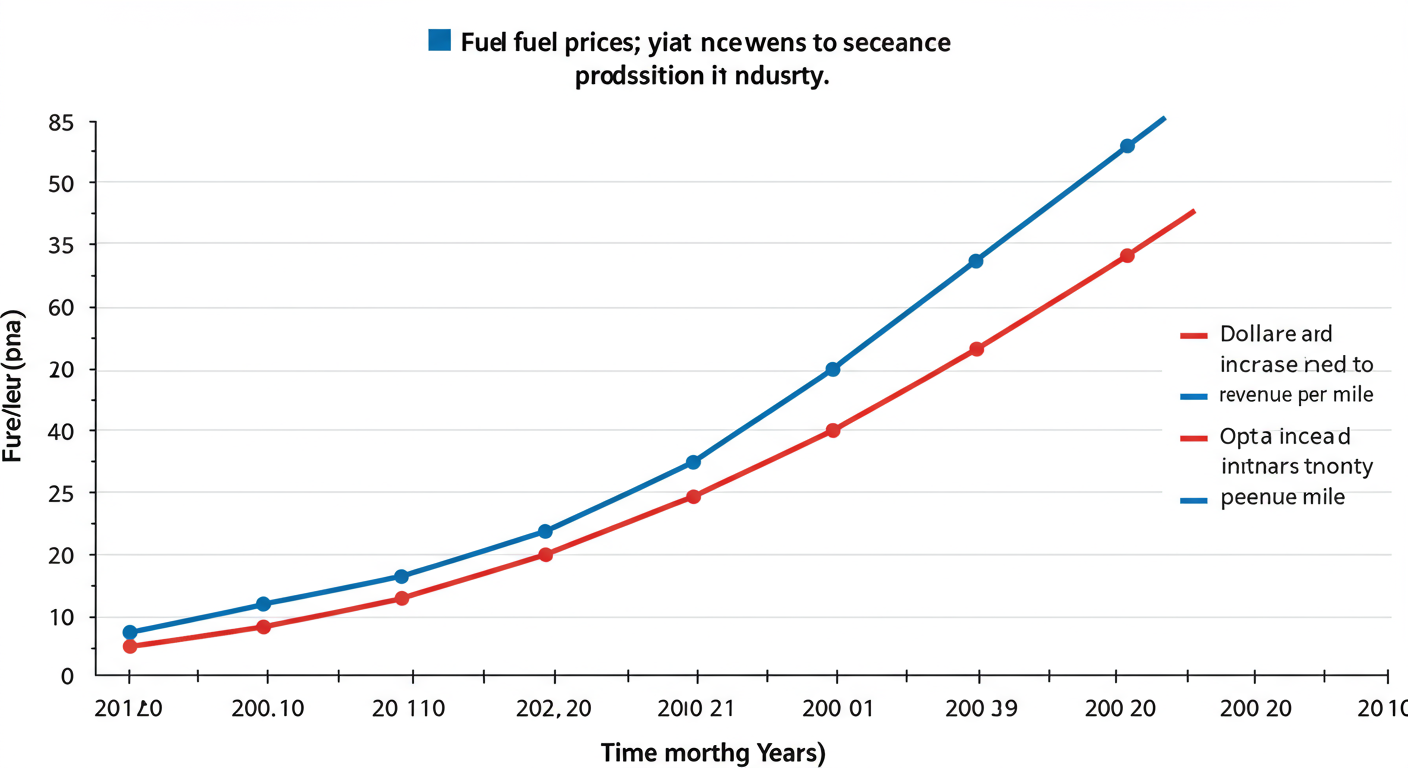
Pricing is a science. The industry standard is Cost-Per-Mile (CPM). You must know this number cold.
Your Total Monthly Costs (Fuel + Insurance + Loan + Salary + Maintenance + etc.) / Total Miles Driven in a Month = Your Cost-Per-Mile (CPM)
If your CPM is $1.80, you must charge more than $1.80 per mile on average just to break even. Industry research from publications like FleetOwner shows that constantly tracking and optimizing your CPM is a key habit of profitable fleets. Aim for a rate that covers your CPM plus a 15-25% profit margin, while staying competitive with market rates.
💡 Pro Tip
When you get a load from a broker, always ask for a “rate confirmation” sheet. This document details the pickup/delivery locations, weight, and most importantly, the agreed-upon price. Never, ever move a load without a signed rate con. It’s your primary legal document if a payment dispute arises.
Your Road to Profitability Starts Now
Launching a transport business is a marathon, not a sprint. It’s a tough, demanding industry, but it’s also one of the most direct paths to building a real, tangible business that serves a critical need.
We’ve covered the entire roadmap: from choosing a high-margin niche and creating a bulletproof business plan to leveraging technology and pricing your services for profit. The generic advice stops here. The difference between success and failure isn’t a secret—it’s a relentless focus on your numbers, an obsession with reliability, and the grit to build relationships one delivery at a time.
Your next step? Don’t just read this. Take one action. Start researching your niche. Download a business plan template. Make that first phone call. The road is open, and the opportunity is real. It’s time to put the key in the ignition.
❓ Frequently Asked Questions
How much capital do I really need to start a transport business in 2026?
It varies wildly. For a single cargo van doing last-mile delivery, you might get started for under $30,000 (including the van, insurance, and initial operating cash). For a new semi-truck and trailer for long-haul, you’re looking at $200,000+, as you need to cover the down payment, insurance, permits, and have at least three months of operating capital in the bank.
What is the most profitable type of transport business?
Consistently, specialized services like refrigerated (reefer) transport, flatbed hauling for oversized loads, and hazardous materials (hazmat) trucking are the most profitable. They require more expensive equipment and specialized driver certification, which creates a higher barrier to entry and allows for premium pricing.
How do I find my first clients if I have no experience?
Start with freight brokers on digital load boards (like DAT or Truckstop). They are used to working with new carriers. Your job is to be hyper-reliable on these first few loads. Deliver on time, communicate professionally, and you’ll start building a reputation. You can also network with local businesses that larger carriers might ignore.
Do I need to be a driver myself?
No, but it helps immensely. Starting as an owner-operator (where you own the business and drive the truck) is the most common path. It allows you to learn the business from the ground up. If you don’t want to drive, you’ll need to hire a trusted, experienced driver from day one and focus entirely on management, sales, and dispatch.
What are the biggest hidden costs to watch out for?
The top three are: 1) Vehicle maintenance and unexpected repairs (especially on used trucks), 2) “Deadhead” miles (driving empty to your next pickup, which earns you zero revenue), and 3) Insurance premium hikes after even a minor incident. Factoring these into your Cost-Per-Mile calculation is absolutely critical for survival.
What is a USDOT number and do I need one?
A USDOT number is a unique identifier assigned by the Federal Motor Carrier Safety Administration (FMCSA) to track a company’s safety records. You are legally required to have one if you operate a commercial vehicle that transports property or passengers in interstate commerce. Most states also require one for intrastate commerce.