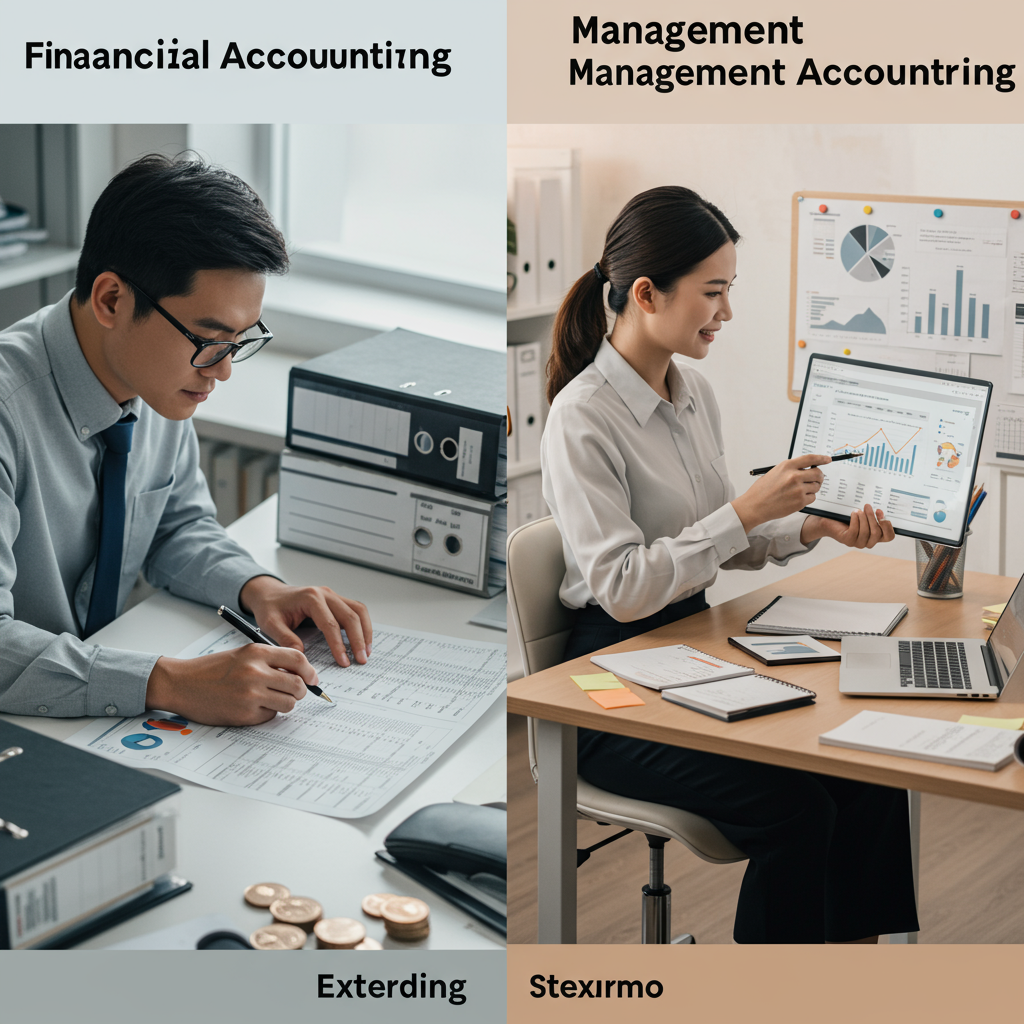
In the complex ecosystem of modern commerce, the role of chartered accountant (CA) extends far beyond the traditional image of a number-cruncher sitting behind a desk filled with ledgers. Today, a Chartered Accountant is a strategic partner, a financial guardian, and a visionary advisor who steers businesses through the turbulent waters of economic uncertainty and regulatory compliance. Whether you are running a startup or managing a multinational corporation, understanding the multifaceted duties of a CA is crucial for sustainable growth.
Many business owners mistakenly believe that a CA is only needed during tax season. However, the role of chartered accountant is a year-round necessity that touches upon every aspect of financial health, from initial business structuring to long-term investment strategies. In this comprehensive guide, we will dissect the critical functions of a CA and how they contribute to the stability and prosperity of an organization.
1. The Foundational Role of Chartered Accountant in Financial Management
At the core of any successful enterprise lies robust financial management. The primary role of chartered accountant here is to ensure that the financial pillars of the company are strong. This involves meticulous record-keeping, financial reporting, and the analysis of financial data to provide actionable insights.
A CA prepares the financial statements that reflect the true state of the business. These documents are not just for regulatory compliance; they are the dashboard that business owners use to drive their companies. By interpreting these numbers, a CA helps management understand where money is coming from, where it is going, and where efficiencies can be improved.
Budgeting and Cash Flow Management
One of the most vital aspects of the role of chartered accountant is managing cash flow. Profit is vanity, but cash is sanity. A CA assists in creating realistic budgets and forecasts, ensuring that the business has enough liquidity to meet its obligations while investing in growth opportunities.
2. Taxation and the Role of Chartered Accountant
Perhaps the most recognized function is taxation. The tax landscape is ever-changing, with new amendments, notifications, and circulars being issued frequently. The role of chartered accountant in this domain is to ensure full compliance while optimizing tax liabilities legally.
From filing Goods and Services Tax (GST) returns to handling income tax assessments, a CA navigates the labyrinth of tax laws. They act as the representative of the client before tax authorities, handling scrutiny and appeals. For businesses dealing with complex deductions, understanding the nuances is key. For instance, ensuring seamless compliance is critical, similar to the precision required in mastering TDS return filing.
Tax Planning
Strategic planning to minimize liability through legal deductions, exemptions, and rebates, ensuring more capital stays within the business.
Regulatory Compliance
Timely filing of returns (GST, IT, TDS) to avoid penalties and legal hurdles, keeping the business in good standing with authorities.
International Taxation
Advising on transfer pricing and Double Taxation Avoidance Agreements (DTAA) for businesses operating across borders.
3. Auditing and Assurance: A Critical Role of Chartered Accountant
Auditing is the backbone of financial trust. The role of chartered accountant in auditing is to provide an independent opinion on the financial statements of an entity. This assurance is vital for investors, creditors, and stakeholders who rely on the accuracy of financial reports.
There are various types of audits a CA performs, including statutory audits, internal audits, and tax audits. Each serves a specific purpose, but collectively, they ensure transparency and accountability. An internal audit, for example, looks at the internal controls and processes of a company to detect inefficiencies or fraud.
According to the Institute of Chartered Accountants of India (ICAI), the quality of an audit reflects the integrity of the financial ecosystem. A CA’s signature on an audit report is a seal of trust that facilitates bank loans and investor funding.
4. Strategic Business Advisory and Structure
When starting a business, the choice of legal structure—be it a Sole Proprietorship, LLP, or Private Limited Company—dictates the future compliance burden and tax liability. Here, the role of chartered accountant acts as a business architect.
CAs analyze the business model and recommend the most suitable structure. For example, they can guide entrepreneurs on the nuances of an LLP vs Partnership difference, helping them choose a model that offers the best balance of liability protection and operational flexibility.
The Role of Chartered Accountant in Mergers and Acquisitions
In the corporate world, growth often comes through mergers and acquisitions (M&A). The role of chartered accountant in M&A is indispensable. They conduct due diligence to verify the financial health of the target company, value the assets, and structure the deal to be tax-efficient.
5. Forensic Accounting and Fraud Detection
As financial crimes become more sophisticated, the role of chartered accountant has evolved to include forensic accounting. This specialized field involves investigating financial discrepancies and fraud. CAs use their auditing skills to trace funds, identify asset misappropriation, and quantify financial damages.
This function is increasingly important for litigation support and dispute resolution. Whether it is a shareholder dispute or an insurance claim investigation, the analytical skills of a CA are used to uncover the truth hidden behind the numbers.
6. The Role of Chartered Accountant in the Digital Era
Technology has transformed how accounting is done, but it hasn’t replaced the accountant. Instead, it has elevated the role of chartered accountant. With the advent of AI and cloud computing, CAs are no longer just recording data; they are interpreting complex data streams.
Modern CAs implement ERP systems, automate payroll, and set up cloud-based accounting software that allows business owners to view real-time financial data. They act as the bridge between technology and finance, ensuring that digital tools are used effectively to enhance financial control.
System Implementation
Guiding businesses in selecting and implementing the right accounting software and ERP systems to streamline operations.
Data Security
Advising on internal controls to protect sensitive financial data from cyber threats and unauthorized access.
7. Why the Role of Chartered Accountant is Indispensable
Ultimately, the value of a CA lies in their professional ethics and rigorous training. They are bound by a code of conduct that prioritizes the public interest. For a business owner, this means having an advisor who tells you what you need to hear, not just what you want to hear.
From ensuring that a company adheres to labor laws to advising on capital structure, the breadth of their knowledge is vast. They act as a shield against regulatory non-compliance and a catalyst for financial efficiency.
Conclusion
The role of chartered accountant is dynamic, critical, and multifaceted. They are the architects of the financial world, ensuring stability, compliance, and growth. Whether acting as an auditor, a tax consultant, or a strategic advisor, a CA brings a level of expertise that is unmatched. In an era where financial regulations are tightening and business competition is fierce, engaging a competent Chartered Accountant is not an expense; it is one of the most significant investments a business can make toward its future success.
Frequently Asked Questions (FAQs)
Read Also:
- 7 Crucial Rules for Advance Tax Payment India: The 2025 Comprehensive Guide
- Your 2026 Guide to Capital Gains Tax
- Proprietorship Firm Registration in 2026: A 5-Minute Guide
- Financial vs Management Accounting: 7 Key Differences (2026)
- Decoding Your Paycheck: A 7-Step Guide to Creating a Fair Salary Structure
- Big Four Companies in India: The Ultimate 2026 Insider’s Guide
- Partnership Firm Registration: The Ultimate 2026 Guide