Another year, another Union Budget. For millions of MSME owners, the announcement feels like trying to drink from a firehose—a flood of complex policies, confusing jargon, and vague promises. You’re left wondering: “What does any of this actually mean for my business? For my cash flow? For my survival?”
Forget the dense government circulars and generic news reports. This isn’t just another summary. This is your strategic playbook.
We’ve dissected the Union Budget 2026, filtered out the noise, and translated it into a clear, actionable guide for ambitious entrepreneurs. You’re about to learn precisely how to leverage the new credit schemes to get funded, use tax changes to boost your profitability, and sidestep the compliance traps that will catch your competitors off guard. Let’s get to work.
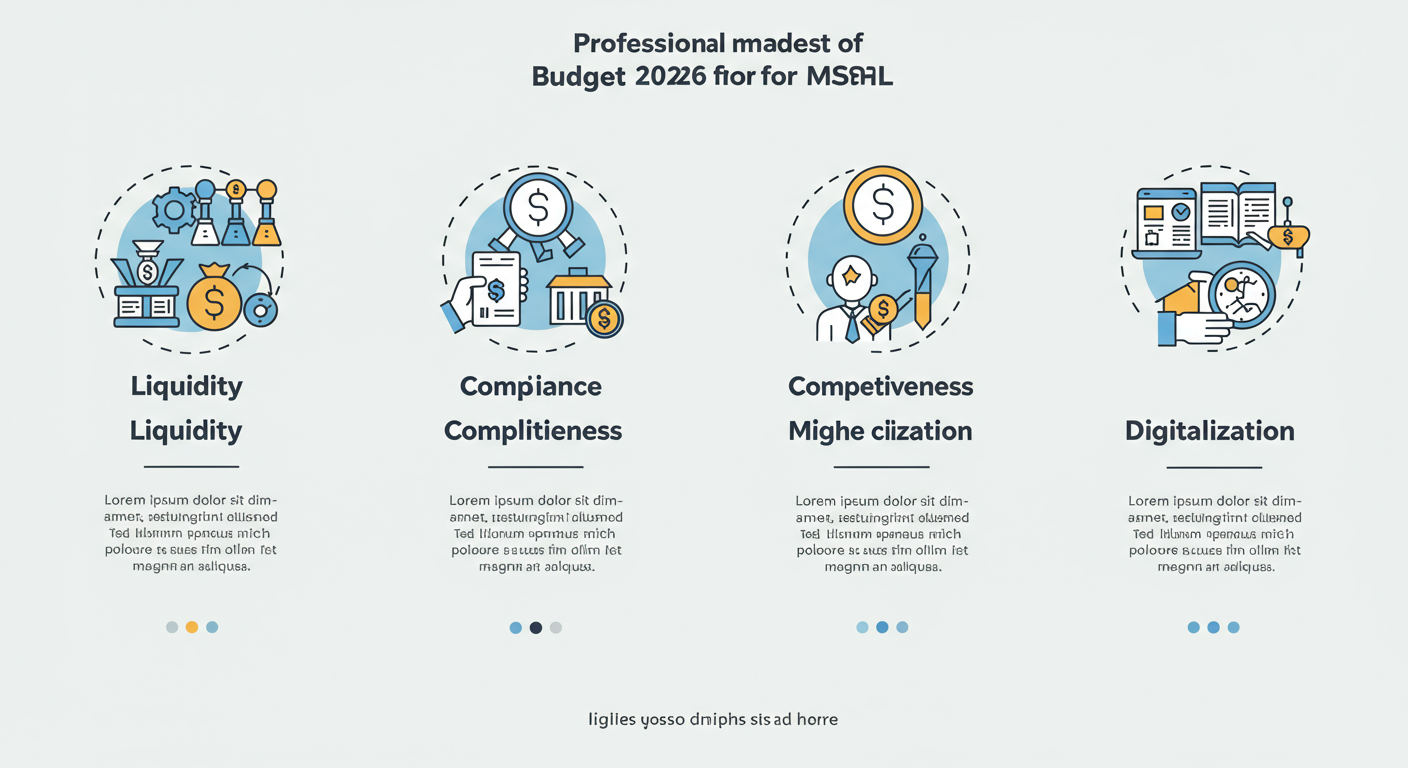
The Big Picture: Four Pillars of the 2026 MSME Budget
Before we dive deep, it’s crucial to understand the government’s core philosophy. Based on our analysis, the Budget 2026 for MSME strategy rests on four key pillars. It’s not just a random collection of schemes; it’s a coordinated push to reshape the entire small business ecosystem.
- Pillar 1: Unlocking Liquidity. Moving beyond asset-based lending to a system that rewards healthy cash flow and good financial hygiene.
- Pillar 2: Simplifying Compliance. Using technology to make filing easier for honest businesses but much, much harder for those trying to fly under the radar.
- Pillar 3: Driving Competitiveness. Reducing input costs and providing direct incentives to help Indian MSMEs compete on a global scale.
- Pillar 4: Mandating Digitalization. Pushing every business, big or small, to create a digital footprint, which becomes the key to accessing all other benefits.
Understanding this framework is your first strategic advantage. Every change, every new rule, fits into one of these categories. Now, let’s break down what they mean for your daily operations.
Unlocking Liquidity: Solving the Cash Flow Crisis for Good?
Let’s be honest. The single biggest headache for most small businesses isn’t a lack of ideas or effort—it’s a lack of cash. The 2026 budget makes a serious attempt to tackle this, and the changes are more significant than they appear on the surface.
The star of the show is the revamped Credit Guarantee Fund Trust for Micro and Small Enterprises (CGTMSE). The government has infused a substantial corpus into this scheme. What does that mean in plain English? Banks are now far more willing to give you a loan without demanding property as collateral. Why? Because the government is guaranteeing a larger portion of that loan, drastically reducing the bank’s risk.
This is a seismic shift. For years, a business with a stellar order book but no family property was unbankable. Now, the game is changing. It’s moving from “What do you own?” to “How well do you run your business?”
💡 Pro Tip
Don’t just walk into a bank and ask for a loan. Prepare a “Cash-Flow Lending Pitch.” This should include your last 12 months of GST returns, bank statements showing consistent turnover, and a list of your top clients. Presenting this data proactively shows you understand the new lending model and positions you as a low-risk, high-potential borrower.
The second punch in this one-two combo for liquidity is the strict enforcement of Section 43B(h) of the Income Tax Act. This rule is simple but brutal: if a large company doesn’t pay its Micro or Small enterprise supplier within 45 days, it cannot claim that expense for a tax deduction. I’ve seen this play out in real-time; it’s forcing big clients to clear their dues like never before. Your accounts receivable are no longer a black hole.
Before vs. After: The Budget 2026 Liquidity Shift
The practical impact of these changes is massive. Here’s a simple breakdown of the new reality for a typical small business.
| Scenario | The Old Way (Pre-Budget 2026) | The New Reality (Post-Budget 2026) |
|---|---|---|
| Applying for a Loan | Bank demands property collateral. Loan application is rejected due to lack of assets, despite a healthy business. | Bank focuses on cash flow, GST history, and turnover. Collateral-free loan is approved under the enhanced CGTMSE scheme. |
| Getting Paid by a Large Client | Invoice is stuck for 90-120 days. You spend hours chasing payments, and your working capital is blocked. | Client’s finance team prioritizes your invoice to avoid tax penalties under Sec 43B(h). Payment arrives within 45 days. |
| Overall Cash Flow | Unpredictable and stressful. Constantly juggling payments and struggling to fund new orders. | More predictable and stable. You have the working capital to grow, invest, and operate with confidence. |
⚠️ Watch Out
Section 43B(h) is a double-edged sword. If your business is classified as a Medium enterprise and you buy from a Micro or Small one, this rule applies to you. Ensure your own payment cycles are compliant, or you’ll face the same tax disallowances. Check your suppliers’ Udyam certificates to confirm their status.
The Profit Puzzle: Smarter Taxation and Compliance in 2026
If liquidity is about survival, taxation is about profitability. The Budget 2026 for MSME introduces changes aimed at reducing your accounting headaches and, if you’re smart, your tax bill.
A key update is the expansion of the presumptive taxation scheme. The turnover threshold has been increased, meaning more small businesses and professionals can opt-in. This allows you to declare income as a fixed percentage of your turnover and avoid the tedious task of maintaining detailed books of accounts. It’s a massive time and cost saver. But is it right for you? If your actual profit margins are higher than the presumptive rate, you save tax. If they’re lower, you might overpay. It requires careful calculation.
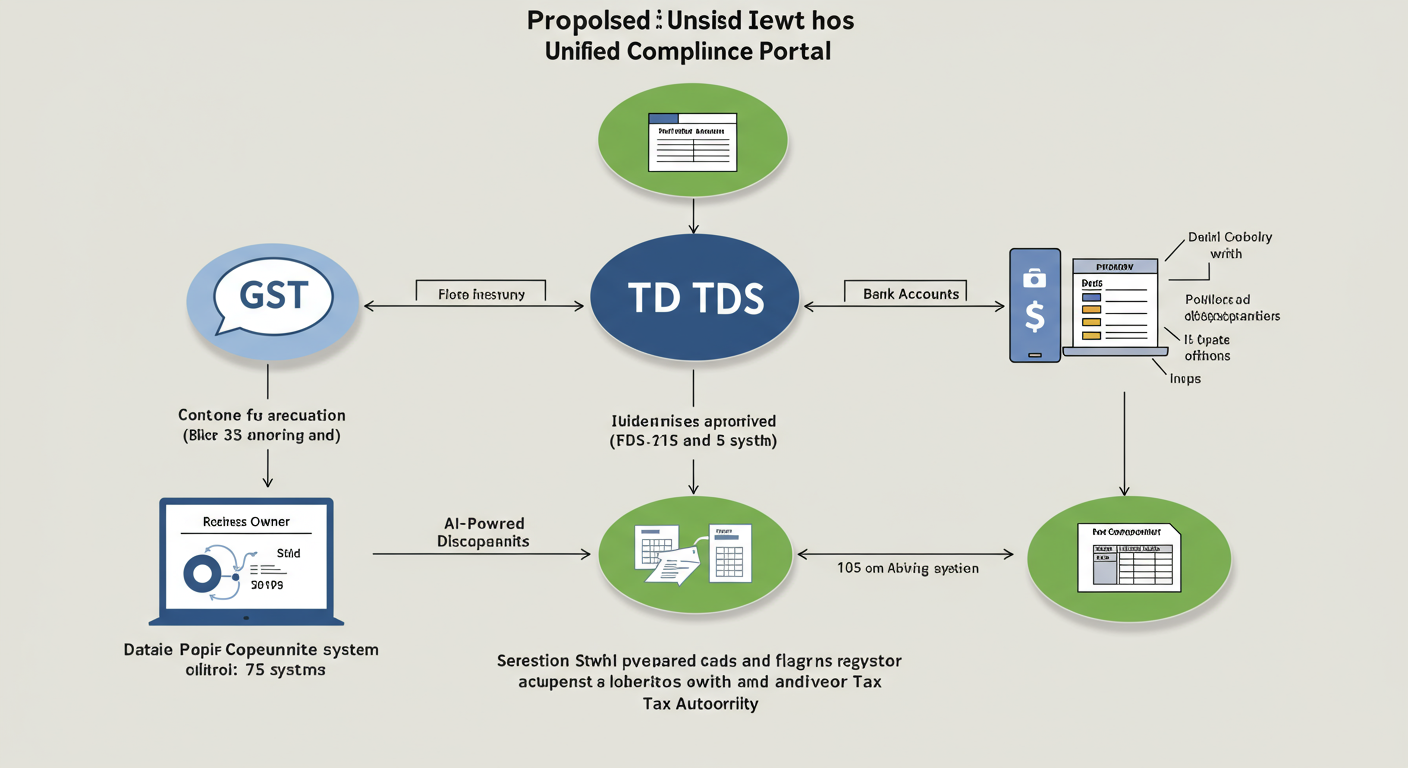
The bigger story, however, is the “Unified Compliance Portal.” The budget lays the groundwork for a single-window system integrating GST, Income Tax, PF, and ESI filings. The goal is convenience. The reality? It’s a powerful data-matching engine.
“In our experience with early versions of these integrated systems, data mismatches are flagged by AI within hours, not months. A discrepancy between your GST turnover and the revenue declared in your income tax return is no longer a future problem—it’s an immediate red flag.”
This isn’t a reason to panic. It’s a reason to get organized. Clean, digital bookkeeping is no longer optional; it’s a core business function.
The Growth Engine: Supercharging Manufacturing, Exports, and Logistics
Ready to scale? This is where the budget gets exciting. The government is doubling down on its “Make in India” vision, and MSMEs are at the heart of it.
The Production Linked Incentive (PLI) schemes, previously for large corporations, are being expanded to include more MSME-dominated sectors like toys, leather, and certain food processing categories. These schemes provide direct financial incentives for increasing your production. It’s simple: you produce more, the government pays you a bonus. It’s critical to check the fine print and see if your specific product line qualifies. E-Filing Income Tax in India 2026: A Stress-Free Guide
For those with local, unique products, the “One District, One Product” (ODOP) initiative gets a major boost with the planned “Unity Malls” in state capitals. Think of it as a government-sponsored premium retail space to showcase your goods, giving you visibility you could never afford on your own. One Person Company Registration India Process 2026: Eligibility, Benefits, and Complete Guide
But what good is making more if you can’t ship it efficiently? That’s where the PM Gati Shakti National Master Plan comes in. The 2026 budget pours more capital into this mega-project. According to extensive public documentation, the plan aims to create seamless multi-modal connectivity. For you, this means:
* Faster and cheaper movement of raw materials to your factory.
* Reduced transit times for finished goods to reach markets.
* Lower inventory holding costs because your supply chain is more reliable.
Key Growth Schemes in Budget 2026: A Snapshot
Navigating these schemes can be confusing. This table compares the primary growth-focused initiatives.
| Scheme | Who It’s For | Key Benefit | How to Leverage It |
|---|---|---|---|
| PLI Schemes | Manufacturers in specified sectors (e.g., textiles, toys, food processing). | Cash incentive (4-6% of incremental sales) for increasing production. | Conduct a cost-benefit analysis to see if the investment needed to scale production is justified by the PLI payout. |
| ODOP & Unity Malls | Artisans and manufacturers of unique, geographically-specific products. | High-visibility, low-cost retail and branding platform to reach a wider audience. | Contact your District Industries Centre (DIC) to get your product registered under ODOP and inquire about participation. |
| District Export Hubs | MSMEs with export potential, especially those in smaller towns. | Decentralized access to export documentation, logistics, and market linkage support. | Connect with your local Federation of Indian Export Organisations (FIEO) representative to understand the hub’s services. |
⚠️ Watch Out
Don’t lose your MSME status! The classification of Micro, Small, and Medium is based on a composite criteria of investment and turnover. As your business grows, you might cross a threshold. Regularly update your details on the Udyam portal and be aware of how a change in status could affect your eligibility for these schemes.
🎯 Key Takeaway
The 2026 Budget isn’t just a policy document; it’s a roadmap. It rewards MSMEs that are financially disciplined, digitally integrated, and growth-oriented. The businesses that thrive will be those that proactively adapt their credit, compliance, and growth strategies to this new framework.
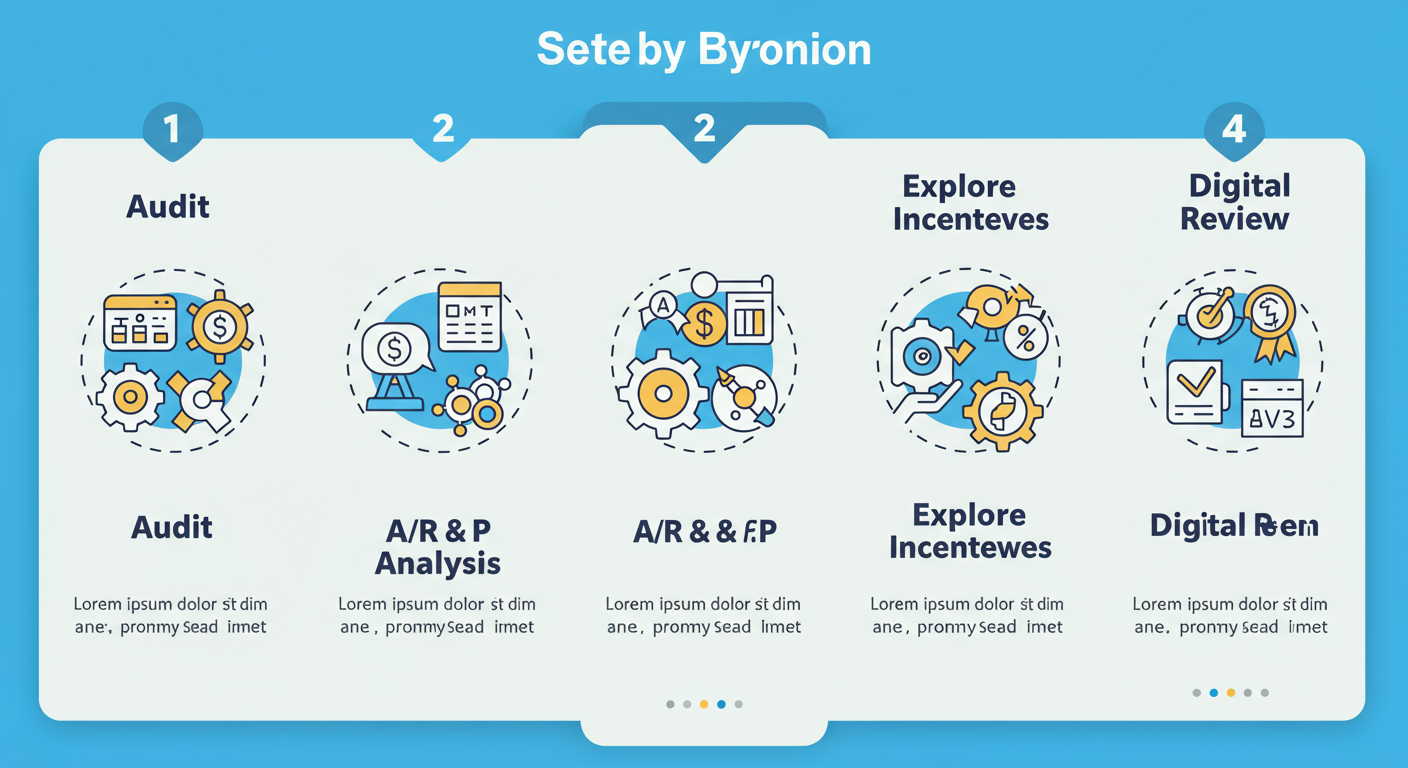
Your 5-Step Action Plan to Capitalize on Budget 2026
Reading is good, but doing is better. Here’s a step-by-step guide to turn these insights into action. Do this over the next 30 days.
- Conduct a “Udyam & Compliance” Audit (Day 1-7):
- Log in to the Udyam portal. Is your registration up to date with your latest turnover and investment figures? This is non-negotiable.
- Pull your last 12 months of GST and bank data. Do the turnover figures match? If not, find out why. This is what the new unified portal will do automatically.
- Schedule a “Credit Strategy” Meeting with Your CA/Banker (Day 8-14):
- Discuss the enhanced CGTMSE scheme. Ask your banker what specific documents they now need for cash-flow-based lending.
- Review your eligibility for the presumptive tax scheme. Calculate if it saves you money compared to your current accounting method.
- Analyze Your Accounts Receivable & Payable (Day 15-21):
- Create a list of all clients who are not Micro or Small enterprises. Send them a polite but firm email reminding them of the Section 43B(h) compliance requirement for payments within 45 days.
- Identify all your suppliers who are Micro or Small enterprises. Set up a payment alert system to ensure you pay them on time.
- Explore Growth Incentives (Day 22-28):
- Go to the official website for the PLI scheme. Check the detailed guidelines for your industry. Is your product HSN code on the list?
- Contact your local District Industries Centre. Ask them about the ODOP initiative and how to get involved.
- Perform a Digital Tools Review (Day 29-30):
- Are you still using spreadsheets for accounting? It’s time to upgrade. Research cloud-based accounting software that integrates with e-invoicing.
- Look into the subsidies announced for adopting digital solutions. This can significantly lower the cost of your tech upgrade.
💡 Pro Tip
For authoritative information on schemes and regulations, always go to the source. The Ministry of MSME Official Website is your primary reference. For lending rates and monetary policy, the Reserve Bank of India website is the gold standard.
Conclusion: From Surviving to Thriving in the New Economy
The Union Budget 2026 for MSMEs is a clear signal. The era of informal, “jugaad” business practices is ending. In its place is a system that demands formality, transparency, and digital fluency. This might seem daunting, but it’s actually a massive opportunity.
By cleaning up your books, you unlock credit. By embracing digital tools, you streamline compliance. By understanding the new schemes, you fuel your growth. The government is, in effect, building a highway for growth. But you still have to build the car and drive it.
Use the action plan in this guide. Start today. The MSMEs that proactively align with this new direction won’t just survive; they will become the market leaders of tomorrow. The choice is yours.
❓ Frequently Asked Questions
How exactly does the Budget 2026 improve my chances of getting a business loan?
It significantly boosts the CGTMSE scheme, which acts as a guarantee for banks. This makes them far more comfortable lending to you without demanding property as collateral. They will focus more on your business’s health—your cash flow, GST payment history, and consistent revenue—making it easier for well-run businesses to get funded.
I’m a service provider. Do the manufacturing incentives like PLI apply to me?
Generally, no. PLI schemes are specifically for manufacturing physical goods in targeted sectors. However, as a service provider, the most significant benefits for you in Budget 2026 are the improved credit access, simplified presumptive taxation norms, and the enforcement of timely payments from your corporate clients via Section 43B(h).
Is the new Unified Compliance Portal a threat to my business’s privacy?
It’s a valid concern. The portal will share data between government departments (like Income Tax and GST). The primary goal is to simplify filing and catch tax evasion. For a compliant business, it should mean less paperwork as data is auto-populated. The “threat” is only to those whose declared figures don’t match across different filings. It makes transparency and accurate bookkeeping essential.
What is the single most important thing I should do right now after reading this?
Verify and update your Udyam Registration immediately. This certificate is your golden ticket to almost every benefit mentioned—from collateral-free loans to timely payments. An outdated or incorrect registration can disqualify you from schemes you’re otherwise eligible for. It’s a 15-minute task that could be worth lakhs to your business.
My business is very small, with just two employees. Is this budget relevant to me?
Absolutely. In fact, micro-enterprises are some of the biggest beneficiaries. The collateral-free loans under CGTMSE are designed for you. The presumptive tax scheme simplifies your life immensely. And the rule forcing big companies to pay you on time (Sec 43B(h)) directly protects your cash flow. This budget is very much for you.