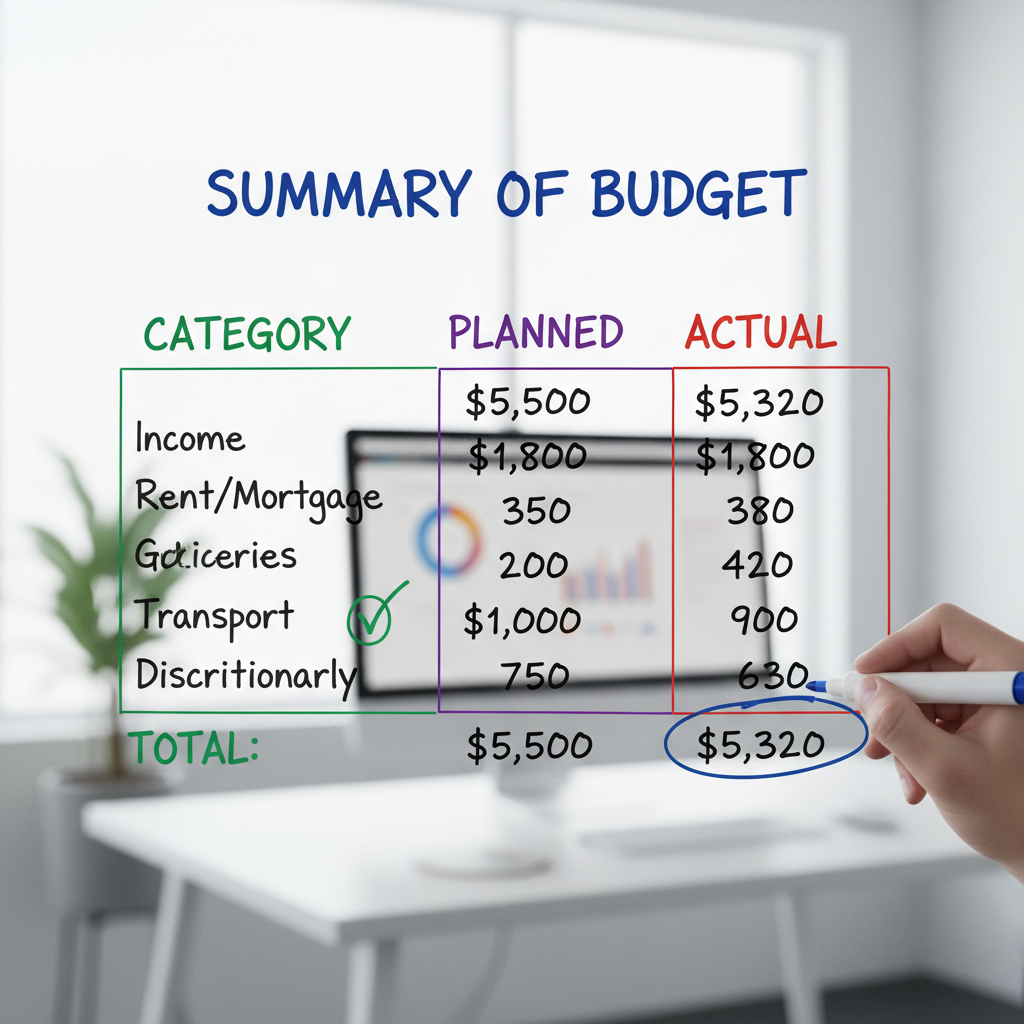
The unveiling of the Union Budget is always a pivotal moment for the economy, setting the tone for fiscal policies, taxation, and infrastructure development for the upcoming financial year. The Summary of Budget 2026 reflects a strategic vision aimed at bolstering economic resilience, fostering digital innovation, and ensuring inclusive growth. As nations navigate a complex global economic landscape, this year’s financial statement prioritizes sustainability, middle-class relief, and robust support for the manufacturing sector.
For taxpayers, business owners, and investors, understanding the nuances of this financial blueprint is crucial. This article provides a detailed Summary of Budget 2026, breaking down complex policy changes into actionable insights. From alterations in the personal income tax regime to significant announcements for the MSME sector, we cover every aspect that impacts your wallet and business operations. Let’s dive deep into the numbers and narratives that define this year’s fiscal roadmap.
The Core Vision: A Strategic Summary of Budget 2026
The 2026 budget is built upon four transformational pillars designed to accelerate the journey toward a developed economy. The Finance Minister emphasized a transition from recovery to rapid expansion. This section of our Summary of Budget highlights the macro-economic goals set by the government.
The focus remains heavily on capital expenditure (Capex) to drive infrastructure, alongside a significant push for green energy. The government aims to balance fiscal prudence with aggressive development goals. Below is a visual breakdown of the primary focus areas.
Infrastructure Push
A record allocation has been set aside for railways, roadways, and port connectivity to reduce logistics costs and improve supply chain efficiency.
Green Growth
Significant incentives for green hydrogen, solar power adoption, and electric vehicle (EV) manufacturing to meet net-zero targets.
Digital Public Infra
Expansion of digital payment ecosystems and AI-driven governance models to ensure transparency and ease of doing business.
Youth & Skilling
New schemes launched to upskill the workforce in Industry 4.0 technologies, ensuring the demographic dividend is utilized effectively.
Direct Tax Proposals: A Detailed Summary of Budget Changes
Perhaps the most anticipated section of any financial statement is the direct tax proposals. The Summary of Budget 2026 reveals a continued push to make the New Tax Regime the default and most attractive option for individual taxpayers. The government has introduced changes aimed at leaving more disposable income in the hands of the common man.
Changes in Personal Income Tax Slabs
The tax slabs under the New Tax Regime have been further rationalized. The exemption limit has been raised, providing relief to entry-level earners. Furthermore, the standard deduction has been increased for salaried employees, which serves as a cushion against inflation. For pensioners, the family pension deduction limits have also seen an upward revision.
However, it is essential to note that compliance remains a priority. The government has introduced stricter penalties for non-compliance in TDS filings. If you are a business owner, staying updated with TDS filing compliance is more critical than ever to avoid penalties and interest.
Corporate Tax Adjustments
For the corporate sector, the Summary of Budget indicates stability. While headline rates remain largely unchanged to ensure predictability for foreign investors, specific tax holidays for startups and manufacturing units have been extended by another year. This move is designed to encourage entrepreneurship and domestic production.
Indirect Taxation: Summary of Budget Impacts on Commodities
Indirect taxes, particularly GST and customs duties, play a vital role in determining the cost of goods. This year’s Summary of Budget focuses on rationalizing customs duties to promote domestic manufacturing under the ‘Make in India’ initiative while reducing the cost of critical inputs for export-oriented industries.
- Mobile Phones & Electronics: Customs duties on camera lenses and lithium-ion batteries have been reduced to lower the cost of mobile phones.
- Gold & Silver: Import duties on precious metals have been tweaked to curb smuggling while balancing domestic demand.
- Green Energy Components: Exemptions on capital goods required for the manufacture of lithium-ion cells have been extended.
Regarding GST, while the budget speech does not alter GST rates directly (as that is the purview of the GST Council), the Finance Minister signaled a roadmap for simplifying the input tax credit system. Businesses should ensure their records are impeccable. For a comprehensive understanding of these requirements, referring to an ultimate GST return filing guide is highly recommended.
Sector-Specific Summary of Budget 2026
A granular look at the Summary of Budget 2026 reveals specific winners across various industries. The government has moved away from populist measures to performance-linked incentives.
Agriculture and Rural Development
The budget allocates substantial funds for the digital public infrastructure in agriculture. This serves as an open source, open standard, and interoperable public good. It will enable inclusive, farmer-centric solutions relevant for crop planning and health, improved access to farm inputs, credit, and insurance, and help for crop estimation and market intelligence. An agriculture accelerator fund will be set up to encourage agri-startups by young entrepreneurs in rural areas.
Healthcare and Education
Healthcare expenditure has seen a modest rise, with a specific focus on eliminating sickle cell anemia and promoting medical research in pharmaceuticals. In education, the emphasis is on establishing centers of excellence for Artificial Intelligence in top educational institutions to realize the vision of ‘Make AI in India’.
A Summary of Budget Benefits for MSMEs
Micro, Small, and Medium Enterprises (MSMEs) are often termed the growth engines of the economy. The Summary of Budget 2026 brings welcome news for this sector. The revamped credit guarantee scheme for MSMEs will take effect from April 1, 2026, through the infusion of significant capital into the corpus. This will enable additional collateral-free guaranteed credit, reducing the cost of credit by about 1%.
Furthermore, to ensure timely payments to MSMEs, the government has proposed that expenditure for payments made to them will be allowed on a payment basis only. This means large companies can only claim deductions when they actually pay the MSME, not just when they accrue the liability. For small businesses looking to leverage these benefits, ensuring proper registration is the first step. You can learn more about MSME Udyam registration benefits to take full advantage of these new provisions.
Fiscal Management and Deficit Targets
Maintaining the health of the economy requires strict fiscal discipline. The Summary of Budget 2026 reiterates the government’s commitment to the path of fiscal consolidation. The fiscal deficit is targeted to be below 4.5% of GDP by 2026-27. This signals to global rating agencies and investors that the economy is being managed with prudence, balancing growth needs with financial stability.
According to the Ministry of Finance, adhering to these targets is essential for keeping inflation in check and ensuring low interest rates for private investment. The borrowing program for the year has also been calibrated to ensure that the private sector is not crowded out of the credit market.
Digital India and the Summary of Budget Technology Push
Technology continues to be a major theme. The Summary of Budget highlights the expansion of 5G services and the setting up of labs for developing applications using 5G services. These labs will cover smart classrooms, precision farming, intelligent transport systems, and healthcare applications.
Additionally, the scope of documents available in DigiLocker for individuals will be expanded. For business entities, a new ‘Entity DigiLocker’ will be set up for use by MSMEs, large businesses, and charitable trusts. This will securely store and share documents with various authorities, regulators, banks, and other business entities.
Checklist: How to Navigate the New Financial Landscape
To help you adapt to the changes outlined in this Summary of Budget, here is a practical checklist for taxpayers and business owners:
1. Review Tax Regimes
Compare your liability under the Old vs. New Tax Regime. With new slab changes, the New Regime is likely more beneficial for most.
2. MSME Compliance
If you are an MSME, ensure your Udyam registration is active to avail credit guarantees. If you owe money to MSMEs, clear dues to claim deductions.
3. Portfolio Rebalancing
With changes in capital gains taxation or debt fund rules, consult a financial advisor to rebalance your investment portfolio.
4. Digital Updates
Ensure your KYC and PAN-Aadhaar linkages are up to date to access the expanded digital services mentioned in the budget.
Conclusion
The Summary of Budget 2026 presents a forward-looking blueprint that attempts to balance immediate relief for the middle class with long-term capital asset creation for the nation. By prioritizing green growth, youth power, and inclusive development, the budget aims to steer the economy toward a sustainable future. For the common man, the rationalization of tax slabs offers breathing room, while businesses can look forward to improved infrastructure and credit support.
As the fine print of these policies is decoded, staying informed and compliant is your best strategy. Whether it is filing your taxes on time or registering your business to avail of government schemes, proactive financial management is key. For detailed circulars and official notifications, always refer to the Income Tax Department website.
FAQs
The most significant highlight is the revision of tax slabs under the New Tax Regime and the increase in the standard deduction, which increases the disposable income for salaried individuals.
The Union Budget generally does not change GST rates directly, as these are decided by the GST Council. However, the budget has rationalized customs duties which may impact the final price of imported goods.
The budget benefits MSMEs through a revamped credit guarantee scheme offering collateral-free loans and strict rules ensuring timely payments from large buyers to MSME suppliers.
Yes, the budget has increased the deposit limits for the Senior Citizen Savings Scheme (SCSS) and enhanced family pension deduction limits.
You can find the full text of the budget speech and related documents on the official website of the Ministry of Finance or the dedicated Union Budget portal.
Read Also:
- Comprehensive Summary of Budget 2026: Key Highlights and Financial Impact
- Mastering the NGO Darpan Registration Steps: A Comprehensive Guide to NITI Aayog Compliance
- Decoding the Budget 2026 Impact on Income Tax: A Comprehensive Guide for Taxpayers
- The Ultimate Form 27Q Filing Guide: Compliance for Non-Resident Payments and TDS
- The New Income Tax Act 2026: A Comprehensive Guide to the April 1 Transition
- 7 Essential Facts About Capital Gains Tax India: The Ultimate 2024-25 Guide
- 7 Essential Facts About the GST Composition Scheme India: A 2024 Guide
- 7 Critical Steps in the GST Cancellation Process India: A 2025 Guide
- 7 Essential Rules for HRA Exemption Calculation in India (2025 Guide)
- Stamp Duty on Transfer of Shares: The Definitive 2026 Guide
- MCA Name Search 2026: The Definitive Guide to Company Name Approval
- COVID Tax Rules: Your 2026 Audit Guide
- Professional Tax Payment Online Maharashtra 2026: A Guide
- MCA 21 Master Data: Your 2026 Guide to Vetting Any Indian Company
- EIC Full Form 2026: From Colonial Empire to Modern Trade
- ROC Filing Due Dates 2026: The Definitive Guide for Directors
- Blogs
- Beat Crippling ROC Fines in 2026
- Partnership Firm Registration: The Ultimate 2026 Guide
- MGT-7 Due Date 2026: A Guide to Filing & Avoiding Penalties
- ITR-2 Form Guide for 2026: Who MUST File It (And Why)
- Who is a Promoter? The 7 Roles of a Company’s Architect (2026)